Beautiful Plants For Your Interior
Beautiful Plants For Your Interior

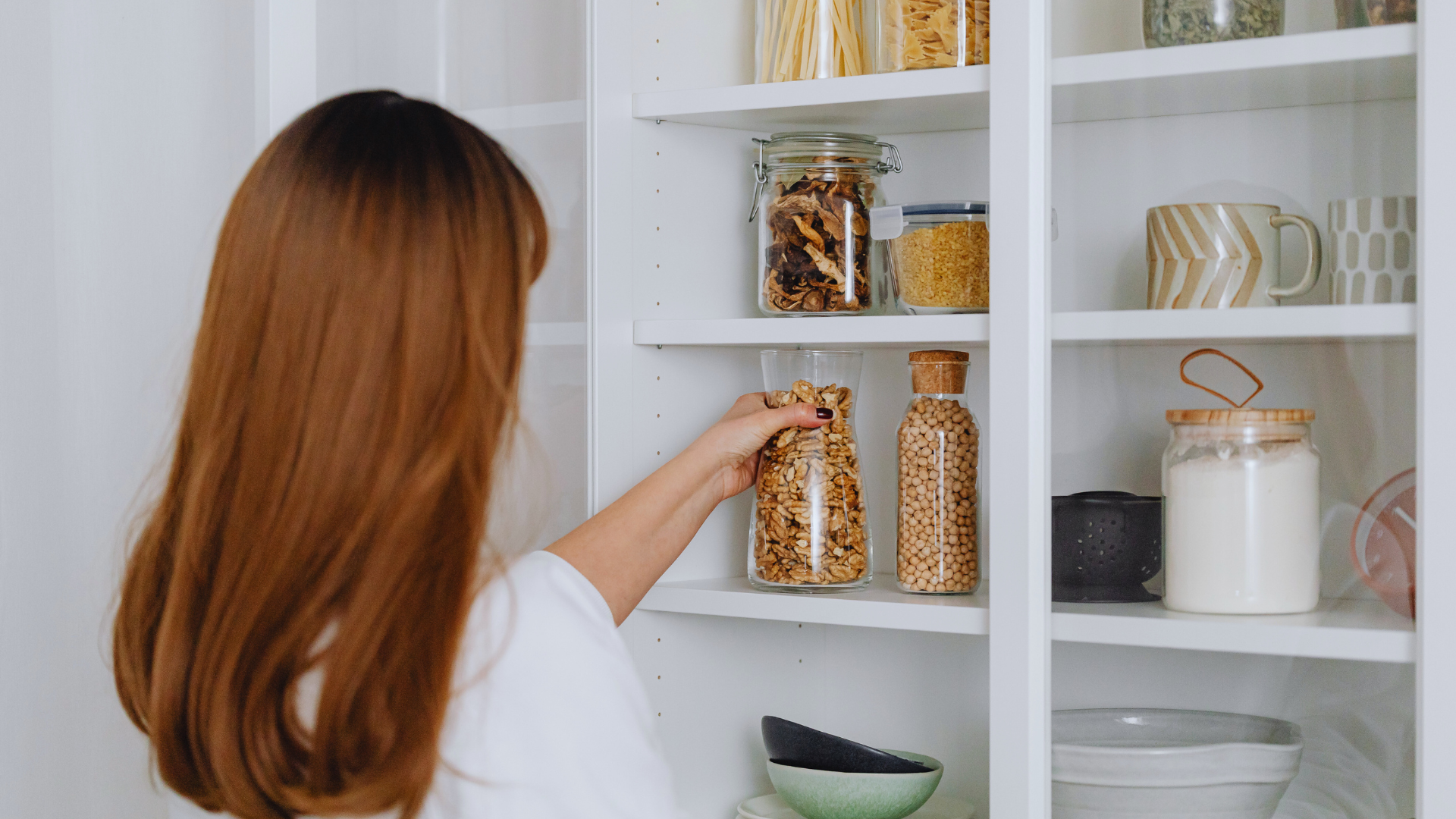
Organising a kitchen to promote healthier eating is about creating an environment that makes nutritious choices easier. It involves arranging food, utensils, and appliances in a way that supports mindful meal preparation and reduces reliance on processed snacks.
A key step is to prioritise fresh ingredients and keep them visible, while storing less healthy options out of immediate reach. This simple change encourages selecting wholesome foods without much thought or effort.
They can also streamline the layout to reduce cooking time, making healthy meals more convenient. Small adjustments in storage and preparation zones can greatly influence daily eating habits.
A well-structured kitchen layout encourages better food choices by making nutritious options easy to prepare and access. Grouping related items, enhancing visibility, and removing distractions are key steps to support healthier habits.
Designate specific areas for food storage, preparation, and cooking to streamline healthy eating. For example, keep fresh produce in a dedicated “fresh zone” near the fridge or main prep area to encourage its use.
Dry goods, such as whole grains and nuts, should have their own clearly marked shelves or containers to keep them organised and easy to find. This zoning reduces decision fatigue and speeds up meal preparation for nutritious dishes.
Equip the prep zone with essential tools like cutting boards, measuring spoons, and knives. This reduces barriers to cooking fresh meals and helps maintain consistent healthy habits by making food preparation more convenient.
Place fruits, vegetables, and healthy snacks at eye level or in clear containers on open shelves or the countertop. Visible healthy options increase the likelihood of reaching for them instead of processed snacks.
Store tempting, less nutritious foods in less accessible spots like high shelves or opaque containers to reduce impulse eating. This simple change lowers mindless snacking and nudges choices towards nutrition.
Using transparent storage helps identify contents quickly, saving time and preventing overbuying or food waste. The easier it is to see and grab healthy foods, the more likely they are to be consumed regularly.
A clean, organised kitchen prevents distractions that can lead to mindless eating. Remove unnecessary appliances and clear surfaces to focus on food preparation and mindful consumption.
Limit visible snack boxes or sugary treats by storing them out of sight. An organised kitchen discourages grabbing food without thought, supporting healthier eating patterns.
Regularly declutter and check expiry dates to keep the kitchen inviting and safe. A tidy space reinforces positive routines and helps maintain control over food choices, reducing the risk of unhealthy habits.
A well-organised pantry supports consistent healthy eating by making nutritious items easy to find and access. Careful selection of staples, proper storage techniques, and clear labelling all aid in maintaining the quality and visibility of wholesome foods.
He should prioritise whole grains like quinoa, oats, and brown rice as pantry staples. These provide fibre and essential nutrients. Beans, both dry and tinned, are valuable plant-based protein sources and should be stocked regularly.
Nut butters with no added sugar or salt offer healthy fats and protein. Protein powder can be included as a supplement, but should not replace whole foods. A diverse selection of dry and tinned goods ensures a range of nutrients and cooking options.
Dry goods like grains and beans need airtight, moisture-proof containers to prevent spoilage. Tinned goods, especially vegetables and legumes, should be placed in a cool, dark area away from direct sunlight to preserve nutrients.
It is important to check expiry dates regularly and rotate stock to use older items first. Group similar foods together, such as keeping all beans on one shelf and grains on another, to speed up meal preparation.
Using clear glass containers helps monitor quantities and freshness at a glance. He should label each container with the contents and date of purchase or opening.
Arranging containers by frequency of use improves efficiency. Foods consumed daily, like oats or nut butters, should be most accessible. Smaller containers work best for items used in smaller quantities, reducing waste and maintaining nutrition.
Proper refrigeration and thoughtful display of fresh produce support easier access to healthy options. Preparing ingredients in advance and making fruit visible encourages regular consumption and simplifies meal prep.
Storing fruit and vegetables in the fridge’s designated compartments maintains optimal freshness. Leafy greens should be wrapped in a damp cloth inside a perforated plastic bag to retain moisture without excess condensation. Harder produce like carrots, peppers, and cucumbers can remain in drawers with some airflow to prevent spoilage.
Fruits such as berries and grapes last longer when washed just before eating rather than stored wet. Citrus fruits can be kept at room temperature, but placed in the fridge if they won’t be eaten within a few days. Using clear containers for cut produce visually reminds users to consume them promptly.
Batch prepping vegetables improves convenience for cooking healthy meals. Washing, chopping, and portioning vegetables like carrots, peppers, and courgettes into containers allows quick access. Store prepped items in airtight boxes to prevent drying out or odours transferring between foods.
Herbs can be rinsed and stored in a jar with water, covered loosely, to keep them fresh longer. Pre-portioned salad mixes or chopped fruit reduce time spent preparing snacks. Labelling containers with dates helps monitor freshness and reduce waste.
Placing a fruit bowl at eye level in the kitchen encourages healthier snacking. Selecting varied colours and shapes makes the bowl visually appealing, increasing the likelihood of reaching for fruit over processed snacks.
Keep fruits that do not require refrigeration, such as apples, bananas, and oranges, in the bowl. Rotate the contents regularly and remove bruised or overripe pieces to maintain appeal. This method serves as a positive reminder to eat fresh produce daily.
A well-organised kitchen with the right appliances and habits improves meal preparation and supports healthier eating choices. Prioritising efficient tools alongside mindful routines can make nutritious cooking convenient and consistent.
Key appliances include a blender and a juicer, which help prepare nutrient-rich smoothies and fresh juices easily. A blender enables quick combinations of fruits, vegetables, and protein powders, supporting a balanced diet with minimal effort.
Other important devices are a steamer for vegetables and a slow cooker for tender, low-fat meals. They preserve nutrients better than frying or boiling. An efficient meal planning app or digital timer can also help manage cooking times and reduce food waste.
Utensils should be arranged by frequency of use and type to streamline cooking. Placing knives, cutting boards, and peelers near the food prep area saves time and reduces clutter. Essential tools include measuring cups, ladles, and spatulas designed for healthier cooking methods.
Containers for portion control and labelled storage jars make ingredient access quicker. Using hooks or drawer organisers can avoid overcrowding and prevent searching during meal prep, resulting in quicker, more efficient cooking sessions.
Setting up a dedicated snack station with easy-to-grab healthy options like nuts, seeds, and chopped vegetables promotes better choices. A visible bowl of fresh fruit encourages natural sugars over processed snacks.
A blender positioned for convenience encourages daily smoothie intake. Stocking it with ingredients such as spinach, Greek yoghurt, berries, and protein powder ensures balanced smoothies. Pre-prepped frozen fruit bags reduce prep time and maintain freshness.
Batch cooking saves time and supports portion control for consistent nutrition. Preparing large quantities of grains, legumes, or roasted vegetables in advance allows quick meal assembly throughout the week.
Organising meals by days and creating a grocery list based on these plans prevents impulse buys. Labelled containers with cooking dates help track freshness. Maintaining a meal prep schedule ensures balanced intake and encourages healthier habits.