Category: Home Tips

  • 6 Ways to Create a Healthier Home Environment for Improved Wellbeing and Air Quality

    6 Ways to Create a Healthier Home Environment for Improved Wellbeing and Air Quality

    Creating a healthier home environment is essential for well-being and comfort. It involves simple changes that improve air quality, reduce toxins, and promote cleanliness. By focusing on practical steps, anyone can enhance their living space to support better health.

    Six effective ways to create a healthier home environment include improving ventilation, reducing clutter, choosing non-toxic materials, maintaining humidity levels, regular cleaning, and incorporating plants. These strategies directly address common issues that affect indoor air and overall safety.

    Making these adjustments doesn’t require major renovations but thoughtful choices and consistent habits. This approach helps protect residents from pollutants and allergens, creating a space that supports healthier living every day.

    Optimise Indoor Air Quality

    Improving indoor air quality requires strategic changes to how air circulates and what fills the home environment. It often involves managing airflow, filtering impurities, and minimising sources of pollution.

    Enhance Ventilation and Fresh Air Flow

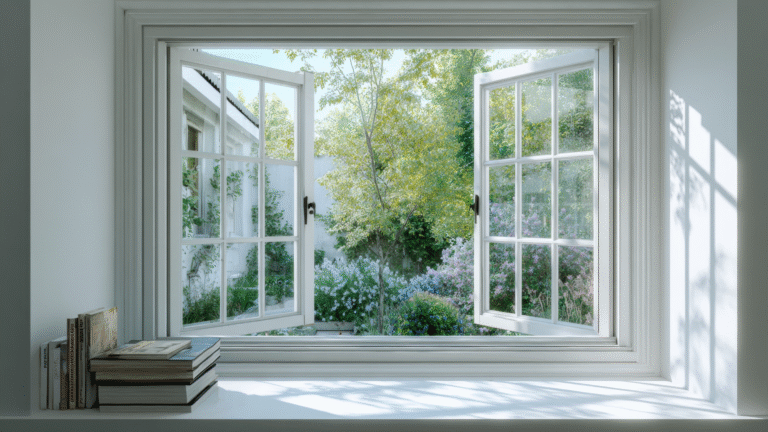
    Proper ventilation is essential to reduce indoor air pollutants. Opening windows regularly encourages fresh air to replace stale indoor air, lowering concentrations of carbon dioxide and moisture.

    Mechanical ventilation systems can also help, especially in airtight buildings. Using extractor fans in kitchens and bathrooms removes excess humidity and odours. Balanced ventilation with heat recovery ensures efficient airflow without significant heat loss.

    Ensuring vents and air intakes are clean and unblocked improves air movement. Avoiding indoor smoking and limiting the use of aerosol sprays also supports better fresh air quality.

    Utilise Air Purifiers and Houseplants

    Air purifiers equipped with HEPA filters remove fine particles such as dust, pollen, and pet dander. Some advanced models also reduce volatile organic compounds (VOCs) and odours, improving overall home health.

    Selecting air purifiers suitable for the room size is critical to their effectiveness. Regular filter replacement maintains performance and prevents pollutants from cycling back into the air.

    Certain houseplants, including spider plants and peace lilies, can absorb small amounts of airborne toxins. While not a substitute for mechanical filtration, they contribute to cleaner air and add natural décor.

    Reduce Indoor Air Pollutants

    Minimising sources of indoor pollution starts with the choice of household products. Fragrance-free, low-VOC paints and cleaning agents emit fewer harmful chemicals.

    Regular cleaning reduces dust accumulation that carries allergens and microbes. Avoiding carpet in high-traffic areas and using washable rugs helps limit dust traps.

    Controlling humidity between 30-50% inhibits mould growth, a common indoor allergen. Dehumidifiers may be useful in damp environments. Keeping combustion appliances well-maintained also prevents carbon monoxide buildup.

    Keep Your Home Clean Naturally

    Maintaining a healthy home involves consistent care, thoughtful organisation, and selecting safe cleaning solutions. These elements reduce allergens, support mental wellbeing, and avoid exposure to harmful chemicals.

    Adopt Regular Cleaning Routines

    Regular cleaning minimises dust, mould, and bacteria build-up that can affect respiratory health. Establishing a weekly schedule for dusting, vacuuming, and wiping surfaces keeps allergens at bay. Using natural materials like microfiber cloths enhances dust removal without chemicals.

    For floors and surfaces, a solution of white vinegar and water effectively disinfects and deodorises. Adding a few drops of essential oils, such as tea tree or lavender, improves the scent and adds antibacterial effects. This routine improves air quality and reduces exposure to synthetic chemicals.

    Declutter for Improved Mental Wellbeing

    Clutter increases stress by creating visual chaos and making it harder to clean effectively. Organising spaces by removing unnecessary items helps create a calmer environment. Simple storage solutions, like labelled boxes or shelves, aid in maintaining order.

    Decluttering also promotes a clearer mind and improves focus. It contributes to better sleep and reduces anxiety by making the home feel more spacious and manageable. Keeping surfaces tidy supports cleaning efforts and fosters a healthier living space.

    Switch to Non-Toxic Cleaning Products

    Many conventional cleaning products contain harsh chemicals that irritate the skin and the respiratory system. Switching to non-toxic alternatives mitigates these health risks. Ingredients like baking soda neutralise odours and break down grease without toxic residue.

    Natural products made from vinegar, baking soda, and essential oils provide effective, gentle cleaning. These are generally biodegradable and safer for children and pets. When purchasing, checking labels for harmful substances such as ammonia, chlorine, and phthalates is essential to avoid unnecessary chemical exposure.

    Maximise Natural Light and Support Wellbeing

    Natural light plays a vital role in creating a healthy home by improving mood, energy, and overall well-being. Designing spaces that allow sunlight in and foster mental health can significantly enhance indoor living environments.

    Increase Exposure to Sunlight Indoors

    Maximising natural light involves practical steps such as installing larger windows or using glass doors to pull more daylight into rooms. Sheer curtains or blinds that can be fully opened encourage sunlight while maintaining privacy.

    Reflective surfaces like light-coloured walls, mirrors, and glossy floors can help distribute natural light, reducing the need for artificial lighting during the day. Positioning furniture to avoid blocking windows allows light to reach deeper inside.

    Regular sun exposure indoors supports circadian rhythms, improving sleep patterns and reducing fatigue. It also boosts vitamin D levels, which benefits physical health and immune function.

    Create Spaces to Encourage Mental Health

    Creating quiet zones or dedicated relaxation areas with ample natural light can help reduce stress and improve concentration. Houseplants placed near windows improve air quality and add a calming, natural aesthetic.

    She uses soft, adjustable lighting supplemented by daylight for spaces intended for reading or meditation. Functional layouts that avoid clutter promote a sense of order, positively affecting mental well-being.

    Incorporating natural elements and light not only supports mental health but also strengthens the link between the home environment and its occupants’ emotional state.

    Establish Healthy Habits and Routines

    Creating consistent daily patterns supports physical and mental health within the home. Implementing clear sleep schedules, prioritising balanced nutrition, and encouraging regular movement can transform well-being.

    Ensure a Consistent Bedtime and Sleep Hygiene

    A consistent bedtime helps regulate the body’s internal clock, promoting better sleep quality. Establishing a regular sleep schedule reduces stress and improves mental health over time.

    Good sleep hygiene includes avoiding screens at least an hour before bed. The bedroom environment should be cool, dark, and quiet. Limiting caffeine and heavy meals in the evening also contributes to restful sleep.

    Tracking sleep patterns can reveal habits that disrupt rest. Adults generally need 7-9 hours, so setting clear wake-up and sleep times each day ensures adequate rest for all household members.

    Incorporate Nutritious Foods and Whole Grains

    Whole grains contain fibre and essential nutrients that stabilise blood sugar and support brain function. Including rice, oats, barley, or whole wheat products regularly encourages sustained energy levels.

    Meals should balance whole grains with vegetables, lean proteins, and healthy fats. Minimising processed foods helps reduce intake of excess sugars and unhealthy fats, which can impact mental and physical health.

    Planning meals in advance prevents last-minute unhealthy choices. Preparing whole-grain breakfast options like porridge or whole-wheat toast delivers essential nutrients from the start of the day.

    Promote Physical Activity at Home

    Encouraging moderate daily exercise supports cardiovascular health, muscle strength, and mental clarity. Walking, stretching, or simple home workouts increase overall activity without needing special equipment.

    Incorporating family activities such as garden games or group walks creates routine physical engagement. Frequent breaks from sitting and using standing desks or active sitting options improve posture and reduce fatigue.

    Children benefit from limited screen time and scheduled play. Adults should aim for at least 150 minutes of moderate exercise weekly to maintain good health.


  • Home Office Layout Ideas: Create an Efficient and Inspiring Workspace

    Home Office Layout Ideas: Create an Efficient and Inspiring Workspace

    Creating an inviting and efficient home office can significantly enhance productivity and comfort for anyone working from home. Thoughtful layout ideas can transform a mundane space into a functional work environment that caters to individual needs. The right arrangement not only maximises space but also fosters creativity and focus.

    Incorporating elements like ergonomic furniture, proper lighting, and organisational tools can yield impressive results. It is essential to consider personal work habits and preferences when designing a layout. Simple changes can make a considerable difference in how one interacts with their workspace.

    Exploring various design styles can inspire tailored solutions that suit specific needs. From minimalist approaches to vibrant, stimulating environments, there are countless possibilities to consider. This guide will delve into practical home office layout ideas that can inspire anyone looking to improve their work-from-home experience.

    Designing Your Home Office

    Creating an effective home office hinges on careful consideration of the space, layout, and aesthetic choices. Focused design choices can significantly influence productivity and comfort.

    Evaluating the Space

    Begin by assessing the available space for the home office. Measure the dimensions of the room to understand the limits of furniture and equipment placement. Consider natural lighting sources, such as windows, which can enhance mood and energy levels.

    Beyond just placement, the quality and type of windows can significantly impact your home office environment. Modern, energy-efficient windows not only provide ample natural light but also help regulate indoor temperatures, reducing drafts and improving overall comfort.

    For those looking to optimize their home’s energy efficiency and comfort, investing in high-quality windows and doors in Calgary, or elsewhere, can also lead to better sound insulation, creating a quieter, more focused workspace. This ensures the office remains a comfortable and productive sanctuary year-round, regardless of external conditions.

    Also, identify potential obstacles, such as doors and electrical outlets, that may affect furniture arrangement. For small home offices, multifunctional furniture is crucial. This could include desks that incorporate storage solutions or compact chairs that slide under the desk when not in use. Creating a workspace that feels open can reduce distractions and foster a productive environment.

    When it comes to flooring, vinyl flooring can be a practical and stylish choice. It is durable, easy to clean, and available in a wide range of designs, from wood finishes to modern patterns. Another great option is laminate flooring. It mimics the appearance of natural wood but at a more affordable price point, and it’s resistant to scratches and everyday wear, ideal for moving chairs around frequently or placing heavy office furniture.

    Selecting a Layout

    Choosing the right layout is essential for workspace functionality. Popular layouts include the L-shaped desk, which fits snugly into a corner, optimising space while providing ample surface area. This is particularly beneficial in small home offices.

    Another effective layout is the traditional centre desk, which allows for easy access from all sides. Consider the flow of the room, ensuring that pathways remain unobstructed. In modern home office designs, standing desks are increasingly popular, offering flexibility for the user. It’s also advisable to position the desk facing a door to enhance focus and surveillance of the workspace.

    Lighting and Colour Scheme

    Lighting plays a vital role in creating an inviting atmosphere. Incorporate both natural and artificial lighting sources. Task lighting, such as desk lamps, is essential for focused work. Task lights should be adjustable to manage direct and ambient lighting effectively. If you’re making more permanent updates, such as installing overhead fixtures or rewiring dimmer switches, it may be worth exploring Electrician services Greensboro NC (or another local area) to ensure everything is safely and professionally set up.

    When it comes to colour schemes, the choice of paint can affect productivity. Light colours can make a small home office feel larger and more open. In contrast, dark paint can create a cosier feel but should be balanced with adequate lighting. Consider using colourful accents like artwork or plants to inject personality into the space while maintaining a professional atmosphere.

    Furniture and Storage Solutions

    A well-organised home office requires a careful selection of furniture and storage options. This section focuses on choosing the right desks and chairs, along with effective storage solutions to enhance productivity and comfort.

    Choosing Desks and Chairs

    When selecting a desk, options like secretary desks, live edge desks, and corner desks cater to different needs. A wall-mounted desk is ideal for smaller spaces, while a glass desk offers a modern aesthetic. For minimalists, a small desk can provide essential workspace without clutter.

    Chairs are equally important. Ergonomic designs provide support for long working hours. Consider adjustable options to ensure proper posture. Key features to look for include lumbar support, seat height adjustment, and durable materials.

    Effective Storage Options

    Storage plays a crucial role in maintaining an organised work environment. Filing cabinets are essential for keeping documents secure and accessible. Opt for models with multiple drawers for better categorisation. In that vein, an outsourced cabinet can add smart, tailored storage to a home office, making it easier to categorise documents and keep everything within reach without cluttering your workspace.

    In addition, wall shelves are excellent for utilising vertical space. They allow easy access to books and supplies while keeping the floor clear. Incorporating baskets or bins on shelves can further streamline clutter.

    Organising tools and materials effectively can enhance workflow. Consider a combination of open and closed storage to balance accessibility and tidiness.

    Personalising Your Workspace

    Creating a workspace that reflects personal style while enhancing productivity is essential. Thoughtfully chosen décor and a well-organised space can elevate the home office experience.

    Décor and Accessories

    Personalising a home office can start with selecting the right décor and accessories. Items such as art prints, framed photographs, or a gallery wall can add character. Establishing a focal point with an accent wall using bold wallpaper or paint can significantly change the room’s vibe.

    Additionally, office accessories like stylish desk organisers, vibrant cushions, or unique desk lamps should not be overlooked. Combining functionality with aesthetics is key. A clutter-free desk not only looks appealing but also fosters focus.

    Incorporating plants can naturally enrich the environment. They improve air quality and provide a sense of calm. Opt for low-maintenance options like succulents or snake plants. These elements work together to create an inspiring workspace.

    Creating a Productive Atmosphere

    The atmosphere of a home office greatly impacts productivity. Lighting plays a crucial role; natural light is ideal, so positioning the desk near a window is beneficial. Supplement with warm-toned lamps for evening work sessions. Think about your cooling and heating as well. If your office is positioned where the sun hits it, you may find yourself feeling hot quite a bit in the summer, so ensure that you call out a AC repair Cherry Hill NJ service to come and fine tune it before setting up. Your whole house will thank you.

    Select a colour scheme that promotes concentration. Soft neutrals or calming greens can create a tranquil space. Avoid overly bright colours that may be distracting.

    As remote meetings become common, consider an appealing Zoom background. A tidy, well-decorated area enhances professionalism. Using images or plant life behind can provide visual interest without overwhelming the frame.

    Sound control is another aspect. Consider adding rugs or curtains to reduce noise and create a more serene environment. Together, these aspects help forge an atmosphere conducive to productivity.


  • 5 Ways To Get The Most Out Of Your Home’s Heat

    5 Ways To Get The Most Out Of Your Home’s Heat

    Are you trying to reduce your energy bill and feel comfortable in your home?

    If you’re looking for ways to get the most out of the heat in your home, you’ve come to the right place. Warm temperatures are essential for increasing your comfort, as well as your health. But everyone wants to save money while still staying warm.

    Now, it is impossible to make any savings or optimize your home heat without understanding fully, your energy habits. So, you’d want to start by calling in professionals (like those at https://bendhes.com/) who can make an estimate of your energy score.

    Once you’ve understood your energy habits, you can go about making the necessary changes That’s why we’ve put together this in-depth guide to help you! From space heaters to high-efficiency furnaces, this guide has everything you need to improve your residential heating system.

    Keep reading to learn more!

    1. Utilize Sunlight Properly

    Taking advantage of sunlight is a great way to stay warm without having to crank up the heat. Open your curtains and blinds during the day to allow natural sunlight to stream through the windows and warm up a room. Consider adding window treatments made of heavy fabrics to help insulate against drafts.

    Switch the direction of your ceiling fan, so it will push warm air downward.

    2. Ensure Proper Insulation

    Checking attic and wall insulation can help keep it at optimal levels. Insulation helps to contain the heat generated by your furnace or other heating systems, so it is important to make sure that your home is equipped. Focus any extra insulation on areas of the home, such as windows and doors, that are prone to energy loss.

    This can be done by adding extra insulation using materials like heavy curtains, insulating window film, and weatherstripping. By doing so, you can prevent heat loss and keep your home cozy. Another effective way to save energy is by using area rugs to trap warmth on the floor, making your living spaces more comfortable. Don’t forget to invest in a quality door closer (like the ones available at doorcontrolsdirect.co.uk/) to ensure that doors are always securely shut, minimizing drafts and maximizing energy efficiency. These thoughtful adjustments will not only reduce energy consumption but also create a more sustainable and comfortable living environment for your family.

    Applying insulating window film can help keep out any drafts from outside temperatures. Additionally, using weatherstripping on your door can help keep in the heat, as well as prevent any cold drafts from entering. It is not only important for the efficiency of your home’s heating but also for the health of your family if you are looking to reduce indoor air pollution.

    3. Look Into Heat Recovery Systems

    These systems work by collecting warm air from one area of the house, such as the kitchen, and transferring it to another area, such as the living room. This allows the warm air to be reused, instead of the home having to heat up again from cold. Those with newer homes may want to look into ductless mini-split systems.

    These systems have individual units for each room, allowing you to control the temperature of each room independently. Ensuring that your windows are well insulated, as well as making use of window films, can help reduce heat loss.

    4. Optimize Heating System Settings

    Many heating systems have a variety of settings, like fan speed and temperature. Setting the fan at a low speed, unless you need to move the warm air around a lot, is usually the way to go. Also, setting the temperature a few degrees lower than what you prefer can help you create a comfortable environment while still maximizing the efficiency of your heating system.

    If you use a thermostat, setting the system to a setback temperature overnight can help you conserve energy. Finally, if your system has a bio-filter, replace it at least once a year for optimal efficiency.

    5. Optimize Your Home’s Heating System

    If you find that your HVAC systems are outdated or not functioning optimally, it might be beneficial to consider upgrading components such as the boiler, pipes, or radiators. By doing so, you can enhance your heating system’s overall performance and improve its energy efficiency. A proper assessment of your home by an HVAC technician (like this HVAC contractor in Eucha, OK) could be essential in evaluating the efficiency of your heating system and identifying any potential inefficiencies. Additionally, incorporating modern insulation and installing an efficient and adjustable thermostat can further reduce energy consumption and lower utility costs.

    Further, by opting for Propane Delivery rather than natural gas, you can ensure energy efficiency as it burns slower and releases lower carbon emissions. It could also be used in different components of the HVAC system including heaters, boilers, stoves, and dryers, making it a versatile fuel.

    Finally, check the flue from your boiler to make ensure it’s free from debris and obstructions. This will ensure your boiler is at its most efficient.

    Follow This Guide to Maximize the Heat of Your Home

    Overall, there are many ways to get the most out of your home’s heat. Each of these changes requires a bit of effort, yet the payoff is worth it. Start by reducing drafts, utilizing insulation, and adopting an appropriate thermostat setting.

    Don’t forget to also have your HVAC system regularly inspected and maintained. Try it out today and marvel at the difference these initiatives make!

    Did this article help you? If so, check out our articles for more helpful tips.

  • How To Plan A House Move With These Simple Tips

    How To Plan A House Move With These Simple Tips

    A home is a special place where people live, and it’s much more than just a building. It’s where we feel safe and comfortable, where we create memories with our loved ones, and where we can truly be ourselves. It is where we find warmth on a cold day, shelter from the rain, and a sense of belonging. Home is where we relax, share meals, and dream about the future. It’s a haven where we find solace and happiness, making it one of the most important spaces in our lives.

    When you feel like changing your home, there are several options to consider. You can choose to buy an existing home, which offers the advantage of immediate occupancy and a well-established neighborhood. On the other hand, building a new home from scratch allows you to tailor every aspect according to your preferences. You can take this a step further by enlisting the services of contractors found at firms like waredesignbuild.com/custom-home-builder-waukesha-county. They can create a truly unique and personalized living space, often with a higher degree of control over the details. Whether buying, building, or customizing, the journey to finding the perfect home can be a significant step in shaping your future and creating a haven that reflects your dreams and aspirations.

    After you have a new home, relocating is a significant aspect of the housing journey, no matter whether you’re buying an existing property, building a new one, or opting for a custom home. The process involves packing up cherished possessions, saying goodbye to one chapter of your life, and embarking on a new adventure in a different space. Moving signifies a fresh start, a chance to reimagine your surroundings, and the opportunity to make new memories in your chosen abode. Whether you’re relocating to a different neighborhood or a new city, moving home marks the beginning of a new chapter and a chance to create the same sense of comfort and belonging you had in your previous dwelling. Many people know about the importance of packing for a move ahead of time, but there are also other steps to take in order to ensure that your moves go smoothly. Find out how to plan a house move with these simple tips!

    Planning Your Move Out

    If you’re thinking about moving, there are a few things you need to plan for. Here are some tips to help you get started:

    1. Figure out what you need – Start by figuring out what you need to move your entire household, including furniture, appliances, and any decorations. If you have pets, make sure they’re taken care of during the move as well.
    2. Create a timeline – Decide when you want to move and block out time in your calendar. Make sure to factor in any last-minute changes or obstacles that may crop up. Once you know what you need and how much it will cost, create a timeline for the entire process. This includes researching movers and arranging a time to pick up your belongings. Contact your landlord or property manager and let them know that you’re moving out. They may require forwarding rent money or sending a key along with the notice.
    3. Discuss your relocation plans with friends and family members ahead of time so that everyone knows what to expect and there are no surprises when the time comes for moving day!
    4. Rent a U-Haul or self-propelled moving truck and pack everything as tightly as possible into the vehicle’s cargo space. Make sure to take note of the weight and size limitations of each type of truck so you don’t run into any problems during transport. Arrive at your new home prepped and ready to start unpacking. Give yourself plenty of time to get organized before all of your boxes are strewn about haphazardly.

    Preparing Your Home For Moving

    Making the move from one home to another can be daunting, but with a little preparation and organization, it can go smoothly. Here are some tips for preparing your home for a move:

    1. Create a packing list of everything you’ll need for your move. This should include clothes, bedding, furniture, appliances, and any other belongings you’ll need for the new home. Along with that, create a list of all the items you will be discarding too. You do not want to leave your old home cluttered with things for the next person to take care of. Instead, you can be more responsible and look for Rubbish Removals mordialloc or similar services elsewhere to help get rid of the unwanted things that you will not be carrying forward with you.
    2. Make copies of all important documents, such as driver’s licenses, insurance cards, and passports. Make sure to keep a copy in each room of the house where you will be staying while the moving process is underway.
    3. Clean and organize every corner of your house before you pack anything away – this will make packing and unpacking much easier once everything is moved in.
    4. Get organized by putting all of your fragile items in boxes or containers that can be easily carried by hand. This will help avoid damage during transport. Make sure to label each item with its new storage location so you don’t get confused later on. It can also be helpful to create packing lists with specific items like clothing and dishes.

    Choosing A Company To Move You

    First and foremost, make sure that the moving company you choose is legitimate and licensed. This is important because if they aren’t qualified to do the job, your move may be in jeopardy. Additionally, make sure that the company has experienced professionals and knows how to safely pack and transport your belongings. Research the prices of different companies before choosing one. It’s important to find a company that is affordable but also reputable.

    Be sure to ask around for referrals from family and friends. They may have used a reputable company in the past or know someone who has. Alternatively, you can conduct an online search to find reputed moving companies similar to Longpods removal & storage.

    How To Save Money In Moving?

    Most people think of moving as a daunting and expensive task, but it doesn’t have to be. In fact, there are a few simple tips you can follow to save money on your move.

    First, don’t move all of your belongings at once. Breaking the job up into smaller tasks will help keep costs down.

    Secondly, ask around for cost estimates from local movers. Not all movers are created equal, and some may charge significantly more than others. By comparing prices before you make a decision, you can ensure that you’re getting the best deal possible.

    And finally, never forget to pack light! Moving is stressful enough without having to cart around heavy furniture and appliances. Save yourself time and energy by packing as lightly as possible.

    The Importance Of A Packing List

    When you are planning to move, make sure to pack a packing list. Here are some tips on how to create your packing list:

    1. Make a list of the items you will need for your move. This includes rental boxes, packing materials, and any other personal belongings that you will be taking with you.
    2. Include detailed descriptions of each item so that you can easily find it when packing. For example, list the dimensions of the box, the weight of the item, and whether or not it needs special handling (such as fragile items).
    3. Add an estimate of how much material each item will require. This will help you figure out the size and quantity of boxes that you will need.
    4. Check availability locally before making your purchase online or at a store. You may be able to get better deals by shopping in person.
    5. Label each box with the contents and the date it was packed. This will help avoid confusion during unpacking!
  • The Best Landscaping Projects For The Money

    The Best Landscaping Projects For The Money

    Landscaping can be overwhelming at times, but if you know what to look for the process becomes much simpler. This article will cover some essential steps to take when landscaping and show you the best landscape projects for your budget.

    How Much Should You Spend on a Project?

    When it comes to landscaping, there is no one right answer. There are several factors to take into consideration before finalizing the project. First, you need to understand what your yard looks like vs how you want it to look afterwards. Second, you need to assess what all you need to remove; if there are tree stumps that have been there for a long time, reach out to professionals who can provide you with a good tree service jacksonville fl, if that’s where you’re at. Similarly, you’ll need to remove excess rubble, shrubs, weeds, and more to make a clearing that can be worked on for landscaping. Third, you need to focus on the type of project you’re interested in.
    There are a lot of things you need to bear in mind when undertaking a landscaping job. Nonetheless, here are some general tips on how much to spend on a project:

    • Start small: If you have only a small area to work with, start by measuring and planning out what you want. This will help you get an idea of how much money you will need and give you a better idea of what type of landscaping is best for your needs.
    • Think about your budget: The amount you spend on a landscape project is largely dictated by your budget. However, be sure to factor in things like maintenance costs and potential replacements over time.
    • Consider types of landscaping: There are many different types of landscaping that can be used in any given area. Some popular options include hardscape (stone, brick, or concrete), turfgrass, container gardening, or tree planting. Think about what kind of look you are going for and what materials will work best for that style.
    • Be prepared to make changes: No matter how well you plan or how carefully you measure, chances are there will be some changes that need to be made along the way. Be prepared to adjust your budget as needed and be flexible enough to change your mind about certain aspects of the project once it starts getting closer to completion.

    Landscaping Trends

    There are a lot of different landscaping trends out there, and it can be hard to know which one to go for. But if you want to get the most bang for your buck, here are some tips:

    1. Try a natural look: If you’re looking for a more natural-looking landscaping solution, go with plants that grow in moist areas like rain gardens or wetlands.
    2. Keep it simple: A lot of people tend to overdo things when they’re landscaping, so try keeping things simple by using smaller plants and fewer colours.
    3. Get creative: If you’re feeling ambitious, try bringing in a las vegas landscape designer (or a similar professional elsewhere) to incorporate features like waterfalls or river beds into your landscape design. You might also want to consider adding elements like logs or rocks to add texture and interest.
    4. Think about climate control: One of the main goals of proper landscaping is to control the environment inside and outside your home. When designing your landscape, think about how you can keep your house cooler in the summer or warmer in the winter by using shade trees or installing heat lamps underneath shrubs.

    Cost-Effective Landscaping Projects to Go for

    Landscaping is one of the most important aspects of any home and can be a huge expense. However, there are many ways to do landscaping on a budget. Here are five cost-effective landscaping projects:

    1. Install a Trellis System: Installing a trellis system can improve the overall appeal of your outdoor space. It provides support to your climbers, thereby helping you create a lush green backdrop in your garden or backyard. It, undoubtedly, acts as an eye-catching architectural feature that can make any space more inviting. The best part is that you can choose from a wide variety of trellis materials and designs (think wood, bamboo, and PVC). This can enable your outdoors to resonate with the style and aesthetics of your indoor spaces. That said, seeking the help of an expert who offers landscaping West Chester (or wherever you live) can help you with this endeavor.
    2. Plant a Garden in a Container: If you’re short on space, consider planting your garden in containers. There are many varieties of plants that can be grown in containers, making them ideal for small spaces.
    3. Create a Natural Landscape: If you’d like to create a natural landscape but don’t have the time or money to do it yourself, consider hiring a professional landscaper. Professional landscapers can create natural and organic landscapes without using artificial ingredients or colours.
    4. Design An Aesthetic Landscape: If you have some design skills, you can create an aesthetic landscape using plants and flowers that accents your home’s style. For example, if you have Victorian influences, use plants like daffodils and lilies that were popular during the Victorian era.
    5. Make Your Own Flower Beds: If you’re creative and have some gardening experience, you can make your own flower beds using soil mix, mulch, and plants.

    Planning and executing a landscaping project can be quite an investment, both in terms of time and money. But if you’re looking for projects that will beautify your property while also providing a return on your investment, consider hiring a landscape handyman (such as this handyman in Huntsville) who can help you bring your landscaping vision to life, offering valuable expertise in designing and implementing various landscaping features.

    From creating a stunning garden to installing hardscapes or improving your outdoor living space, a good landscaper can assist with labour-intensive tasks and ensure that your landscaping project is executed efficiently and to your satisfaction. That being said, whether you’re thinking of hiring a professional for landscape design or you’re looking to take your skills to the next level, give one of these projects a try.

  • A Guide to Sump Pump Repair and Maintenance

    A Guide to Sump Pump Repair and Maintenance

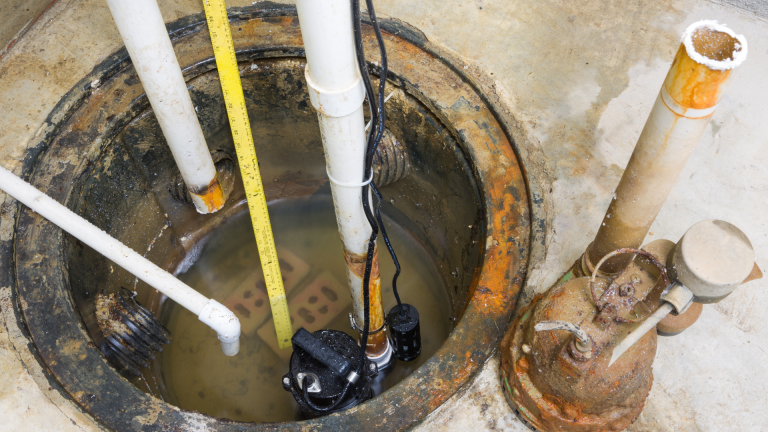
    If your sump pump has been leaking, it’s time to do something about it. A malfunctioning sump pump can cause flooding in your home, leading to costly repairs. But failing sump pumps can fail for many reasons, including wear and tear, failure of the motor, or damage to electrical components. Fortunately, if you learn how to maintain your system properly, then you can avoid costly repairs and extend the time your system works efficiently.

    Sump pumps are a key part of any drainage system and are used to get rid of water that collects in a basement or crawl space. They must be maintained regularly to ensure that water is not building up in the pump and causing it to fail. Fortunately, there are top plumbing tips available online to help you inspect your sump pump. Nonetheless, you can use this guide when maintenance is needed.

    Check the float

    Checking the float is one of the guides to sump pump repair and maintenance. A float is a specialized device that detects the presence of water in a sewage system. As it rises, an electrical switch is activated that closes a valve. The float is calibrated to open and close the valve at the correct level, which varies depending on the flow rates of the system.

    Clean the sump pit

    A sump pump is a device that pumps out groundwater that collects in a sump basin around your home. They rely on an impeller and pump motor to suck up water from a drain and push it out of the structure. When a sump pump breaks down, it can cause a flood, damaging your home and even result in significant structural damage. Fortunately, they can be fairly durable, but eventually, they need to be replaced if you don’t clean them regularly.

    Test the check valve

    Part of a sump pump system’s maintenance is to keep it running properly. However, even the best maintenance won’t prevent the pump from failing. You’ll have to have a professional inspect your pump for wear and tear and replace it when necessary. They can replace the pump components as per necessity by getting the supplies from a company like Approved Hydraulics which offers a wide range of other hydraulic products and solutions. A sump pump check valve is one of its most important features. When working properly, it stops water from entering the pump itself. A check valve failure creates suction and can cause the pump to overflow, damaging the pump and your home.

    Clean the impeller

    Sumps move water that sinks into the ground or is trapped back into the plumbing system. The impeller is one of the important parts of the sump pump. It keeps the sludge and sand out of it. The impeller is also the part of the sump pump that wears out first. An impeller’s job is to pump the water out of the sump and out to the drain. When the impellers fail, the pump will start to back up and stop working.

    Check the electricity

    Checking the electricity is one of the guides to sump pump repair and maintenance. As you know, electric pumps are designed to create a strong vacuum to draw water from your sump basin and move it through your pipes. The pump does this because water weighs 8 ounces per cubic foot, so it naturally exerts pressure as it moves down a tube. This pressure is called negative pressure, and it works against you when you try to move the water through your drain pipe. This means the pump has to create a vacuum between the water and the bottom of your sump basin. All it takes is a small leak, and the water could pool in your pit and back up into your sump basin, infiltrating your drain line and causing your pump to fail. In such cases, you may have to contact a reliable plumber (such as this emergency plumber in Mount Vernon, WA) who can provide plumbing services at any point in the day. This could be important as the sump pit should be drained quickly in order to protect the pump from failure.

    Be sure to Get a Back-Up Sump Pump.

    Replacing a sump pump is often necessary, particularly if you live in a low-lying area. When properly installed and maintained, it can help to protect your home from flooding; however, many pumps fail due to age, neglect, and other wear and tear. In order to maintain, repair, or replace your sump pump, you can contact a professional plumbing company (such as Tampa plumbing services). Professional plumbing companies tend to have the necessary knowledge and experience to handle the job correctly. They can also advise on the best type of sump pump for your home and its specific needs.

    This Guide to Sump Pump Repair and Maintenance is an important resource for anyone looking to learn more about sump pump repair. This document can help anyone better understand the basics of a sump pump and how this type of device can help anyone keep water out of the home. It is a great resource for anyone in the plumbing industry, and this guide can help anyone learn more about sump pump repair.

  • Parent’s Guide on How to Make a Family Cleaning Schedule

    Parent’s Guide on How to Make a Family Cleaning Schedule

    From housework to shopping to making dinner, each day is getting busier and busier. To help ease the burden, families worldwide are learning how to organize their time to create an efficient, productive lifestyle.

    Let’s face it: most people don’t enjoy cleaning. But cleaning can be much easier if it’s done systematically. A family cleaning schedule can help since it ensures that all family members contribute their part and work together as a family. To create one, list all household chores on a master to-do list and assign each member of the family a chore slot. It is possible, however, for some household chores like pest control, that you may need professional help from a terminix in GA (or wherever you live). In such cases, it is advised to contact relevant experts as these chores generally need expertise.

    Take the children on a scavenger hunt

    As the weather turns colder, keeping your home clean in the winter can be a challenge. Instead of leaving your chores to chance, create a family cleaning schedule. Take the kids on a scavenger hunt around the house to find all the messy areas needing attention, then divide them into cleaning teams so you can tackle those chores as a team. If family members are assigned the chores ahead of time, they are more likely to prioritize them, and the entire family will have a cleaner home in less time.

    Assign 1 room per day

    When kids are little, parents typically do all the cleaning. After the child reaches school age, parents find that kids can help with light cleaning. Depending on your child’s age, you may have to increase the level of responsibility gradually. For example, a young child may be able to handle picking up their room after playtime, while an older child may be able to take on general cleaning chores such as washing windows or dusting.

    Assign 1 activity per day

    Don’t let that stack of dishes pile up for a few more nights! With a little planning, you can tackle the clutter in your home and still find time to fit in all your favourite activities. Create a schedule and assign one activity per day, like “dishes,” “sweep,” or “vacuum.” This will give you a daily task to work toward and keep you on track throughout the week.

    On your off days, let the children help you clean.

    Getting the family involved in household chores is a great way to teach your kids how to take care of themselves, and it’s an easy way to help everyone feel like their part of the family. So, let’s get started: First, make a list of all of the chores that need to be done around the household. Including everything from cleaning the kitchen to taking out the trash and recycling.

    Call professionals when needed

    After following a proper cleaning schedule, you might still be left with some jobs that are best handled by those who provide services to take care of them. Take, carpet cleaning for example, you might damage that old carpet you have had with your family for generations. If this is the case, call up local professionals who provide carpet cleaning woking (if that’s where you are) to give it the thorough cleaning it needs. Likewise, the windows might not be broken but might contain marks and stains that are hard for you to get out. Naturally, your kids will not be able to clean those thoroughly as well. The best way to give those windows a fresh look would be to call professional Window Washers who have the right material and experience to get the job done. It is important to keep all things clean at home, but you simply won’t be able to take care of every chore. So reach out to professionals when it is necessary.

    The importance of keeping a house clean

    Maintaining a clean and tidy home is far more significant than just aesthetic appeal. It encompasses a myriad of aspects that impact our physical health, mental well-being, and overall quality of life. The importance of keeping a house clean goes beyond mere appearances, delving into the very foundations of a healthy and thriving life.

    First and foremost, a clean home is a sanctuary of physical health. Regular cleaning and sanitation help eliminate germs, bacteria, and allergens that can lead to illnesses. It minimizes the risk of infections and ensures a safe environment for all inhabitants. Common household chores like dusting, vacuuming, and disinfecting high-touch surfaces play a crucial role in this regard. Mold and mildew, often lurking in damp and unclean areas, can trigger respiratory issues and allergies, further emphasizing the need for a clean living space.

    Mental well-being is another facet deeply intertwined with a clean home. Clutter and disorganization can lead to stress, anxiety, and a sense of chaos. A clean and organized living space, on the other hand, promotes a calm and peaceful mindset. It reduces mental clutter, allowing for better focus and concentration. The act of cleaning itself can be therapeutic, providing a sense of accomplishment and control over one’s environment. In essence, a clean home contributes to a positive state of mind.

    A clean home fosters quality of life by enhancing comfort and functionality. It’s a place where you can move freely, find things when you need them, and relax without the distraction of clutter or filth. Regular cleaning and maintenance extend the lifespan of household items, preventing the need for costly replacements. Additionally, a clean home is inviting and comfortable for both the occupants and their guests, creating a pleasant atmosphere for socializing and relaxation.

    In addition to the broad spectrum of benefits associated with a clean home, it also plays a pivotal role in mitigating the presence of allergens. Homes can be breeding grounds for allergens like dust mites, pollen, and mold, which can significantly affect the health and comfort of its occupants. Regular cleaning practices, including dusting, vacuuming, maintaining proper ventilation, and mold remediation in Duluth, MN, or in any other location can help reduce the accumulation of harmful allergens, ensuring a healthier and more comfortable living environment for all.

    Furthermore, a clean house helps remove hazards such as slippery floors, loose wires, or obstacles in walkways and reduces the risk of accidents and injuries. It provides a secure environment for children, the elderly, and anyone residing in the house.

    In conclusion, the importance of keeping a house clean cannot be overstated. It is a multifaceted endeavor that safeguards physical health, enhances mental well-being, and elevates overall quality of life. Regular cleaning routines not only preserve the aesthetic appeal of a home but also create a safe, comfortable, and harmonious living space for its occupants.

  • Easy Cleaning Chore Ideas for Elementary School Kids

    Easy Cleaning Chore Ideas for Elementary School Kids

    With school back in session, it’s time to tackle those cleaning projects you’ve put off all summer, especially with the kids craving more outdoor time. Use this as motivation to spring into cleaning action!

    The best way to maintain a clean house is by making chores a regular routine. Stay organized by diligently scheduling tasks to prevent messes from building up. While daily upkeep is manageable on your own, consider hiring professionals for deeper or more complex cleans. For example, a window cleaning service can make your windows sparkle with clarity, letting natural light pour in. Their expertise can save you time and effort, leaving behind pristine spaces to enjoy. Similarly, periodic power washing keeps driveways looking fresh and welcoming by efficiently removing built-up grime that regular cleaning misses.

    While some spring cleaning tasks around the indoor space can be accomplished by your little ones, more difficult cleaning tasks do require professional assistance. Involve the kids in simple chores like organizing toys or wiping down surfaces, but don’t hesitate to enlist expert help when needed. Areas like carpets, for instance, can accumulate a significant amount of dirt, dust, and allergens over time, necessitating a thorough Carpet Cleaning by professionals.

    Here Are the Simple Task for Young Age

    Sort laundry

    Getting your children to pitch in around the house can be a chore, but it can also help them learn to take responsibility for their home and get things done. One good way to start is by teaching them how to do simple chores to sorting laundry. They’ll feel grown up and very useful, and pretty soon, they’ll be pitching in and helping you with all sorts of jobs.

    Carry out the trash

    Kids are notorious for leaving the trash lying around, but if it is picked up regularly, it doesn’t have to be a problem. Leaving trash and dustbins unattended can lead to unpleasant odours. This can attract pests such as cockroaches and other unwanted critters. Not only is this unhygienic, but it also poses a potential health hazard for young children. In case pests have already infested your home, it’s advisable to seek professional Pest Control services. Look for experienced exterminators who can effectively eliminate existing pests and implement preventive measures. Make sure that if there are empty soda cans or other trash left around, kids can help by carrying those out to the garbage. It may not be the most exciting chore, but it will help teach kids about responsibility.

    Fold the clothes

    Nothing ruins a stress-free day like a pile of dirty clothes. Folding your laundry may seem like a daunting task, but it’s quite simple. It is an easy chore that young kids can help with. It only takes a few minutes, and you’ll have a clean, organized laundry room.

    Feed pets

    Just like kids, pets need to eat. But how do they do it? With your help, of course. Kids can feed pets by collecting food from around the house and bringing it to the pet. Pets like to eat the same foods people eat-fruits, vegetables, meats, and grains. But they also need specific kinds of food to stay healthy. Some of them like to eat meat, some are vegetarians, and some need specialty food to stay healthy.

    Cleaning

    The school year is coming to an end, and it’s time to get the house ready for vacation, but it’s still important to keep the floors clean. With easy cleaning chore techniques for kids, you can help your kids learn how to clean their floors. Because kids are so thorough, they’ll clean every corner of the home if you ask them to. Such thoroughness may also uncover problems that you may have missed, like a pest infestation of some sort. Should that be the case, you’ll be happy to thank your kids and give them a rest while you let professionals similar to these phoenix pest control experts take over. This would also instill the importance of cleaning in your children forever.

    Make lunch

    Whether packing your own lunch or, if you’re lucky, having the school provide you with one, there is something about packing your own lunch that kids love. And they love telling everyone how smart they are for packing their own lunch!

    Put away dishes

    Sometimes, it just seems as if kids never want to pick up their plates after dinner. Every parent knows the struggle of trying to get them to put their dishes in the dishwasher. Luckily, there are simple and easy ways to train your kids to clean up their plates when eating from teaching them how to work the dishwasher.

    While cleaning the house may seem like a thankless task, it’s a worthwhile habit to get into. The less dirt and grime in your home, the better! But that’s the thing-it’s not easy. The good news is that there are plenty of easy cleaning chores ideas for kids that you and your child can do together. These fun tasks will not only help keep your home tidy throughout the year, but they’ll help your child develop important habits.

    As parents, we all try to keep our homes as tidy as possible so that we can enjoy spending time there. But sometimes, cleaning can feel like a chore, especially when you only have a few minutes to spare. Fortunately, there are tons of easy cleaning chore ideas that you can do on your own. Keep these simple tips in mind when you need to get all the clutter out of your house!

  • The Ultimate Guide to Painting a House

    The Ultimate Guide to Painting a House

    Painting your home (or a room, or a room in your house) can be daunting, but it doesn’t have to be. A well-planned painting project can be completed in a few days, but planning it wisely and taking it one step at a time will help you get the great results you want. Painting a house is a huge job, but it doesn’t have to be an overwhelming process – and, of course, you can always call someone like these house painters Vermont out to get the job done for you, should you wish to leave it to the professionals.

    Here are some tips to help you get exactly the house painting you dream of:

    Find the right paint for the job

    Painting your house is one of the best ways to transform your home’s look. But the process can get stressful if you don’t get the right paint for the job. Getting proper paint for a home project doesn’t have to be complex, and it’s definitely not as hard as you think.

    Buy paint based on colour preference

    When most people begin painting a room, they become overwhelmed by all the choices of colours available. They may look at all the paint chips in the paint store, collect several samples, and then wonder why they are so confused. If you are one of those people, then know that you can choose whichsoever color you prefer. All that actually matters here is the quality of the paint (the best products related to this can, by the way, be found at Headwaters Home Improvement Centre), irrespective of the shade or hue.
    Use the right paintbrush

    Before you start painting your house, choosing the right paintbrush for the job is essential. A wrong one may force you to redo that wall section or overspend on other paint.

    Use the correct technique

    Painting your home can be a quick, easy and cheap way to update the look of your home, but it’s important to choose the right approach and technique if you want the job done correctly.

    Use the correct tools

    When painting the house, mistakes are easily made. Paper towels get torn and thrown away. Brushes get left under the sink. But you don’t have to make those common painting mistakes. Use the correct painting tools and a ladder platform, if necessary, to make your paint job effortless.

    Clean up correctly

    Before I forget, one of the most fun parts of painting the house is having a good, hearty, tongue-twisting paint ragtime! If, however, cleaning the old paint, dust, and grime from the walls and sanding the rough spots is the fun part, the painting is the true chore. If you skip the prep work, you risk making the job harder and longer.

    Painting your house is a big deal. Not only do you want it to look its best, but you want the process to go as smoothly as possible. After all, you don’t want to go back and redo the entire work. Therefore, it’s important to keep in mind all the above-mentioned points so that your paint job is done in a smooth manner.

    Talking about the exterior of the house, preparation is key. Make sure to scrape off any loose paint and fill in any cracks before you start the painting process. This will help ensure the paint adheres properly and lasts longer. Sounds like too much work? Then, consider hiring the services of a firm that specializes in painting the exteriors, much like this Crash Of Rhinos Painting firm.

    Needless to say, nobody wants to compromise their house’s look from the outside. This is why it is important to rely only on professionals. The best part is this will also save you money in the long run as a proper paint job is supposed to last around 10 years. Hiring professionals also guarantees a job done well and according to the highest standards.

  • 3 Important Tips for First-time Homebuyers

    3 Important Tips for First-time Homebuyers

    Getting into your first home can sometimes be challenging. Before investing in real estate, ensure you know the steps to take as a first-time homebuyer. Buying a home for the first time is a big step, and there are many things to consider when deciding if this is the right time for you. While you should consider all your options, such as renting versus owning, you should at least consider mortgage pre-approval. If you are a first-time homebuyer looking to make a purchase soon, here are some tips to help you get started.

    Check out these three important tips for first-time homebuyers!

    Know Your Credit Score

    If you’re a first-time home buyer, it’s important to know your credit score. Doing so will help you know how much you can afford to spend on your new home. Knowing your credit score can also help you determine what kind of mortgage you qualify for. Even though it seems like getting a mortgage is a no-brainer, the credit requirements for getting approved for a mortgage can be a bit confusing.

    Sometimes loan programs require a minimum credit score, but most conventional mortgages don’t. Also, lenders like to see that you can pay back your mortgage and that you’ve had consistent employment. Your credit score reflects your ability to pay your bills, so you’ll want a good credit score. The higher your score, the better interest rate you can get on a loan. Your credit score will also impact how much house you can afford. Sometimes people with a low credit score fail to qualify for a home loan. This is why they might prefer going the route of seller financing. However, there might be a few conditions around seller financing. For instance, buyers with an existing may not be ale to qualify for such a scheme. There might be other facts about seller financing that you can know by reading informative posts about them on Amerinote Xchange or similar websites.

    Calculate How Much House You Can Afford

    The first thing first-time homebuyers have to do is calculate how much house they can afford. This may seem like a no-brainer, but many people fall in love with a house that is out of their price range. Calculating this number involves estimating your debt-to-income ratio, which in turn requires looking at your gross monthly income and subtracting out your monthly debt payments. This is why it might be essential to hire a real estate agent who can recommend properties within your budget in your preferred location. For instance, if you want to buy a house in Boise, the agent would most probably find houses for sale in boise Idaho that you can afford.

    First-time home buyers often get so caught up taking tours, looking at houses, and writing offers that they forget to take a step back and calculate how much house they can afford. But failing to properly budget is a huge mistake, and buying a home you can’t afford will only lead to financial stress. That’s why it’s essential to calculate how much house you can afford before you start house hunting. Make sure you ask yourself important questions like if the bank would approve of your loan or if owner finance is the better option for you to purchase a home.

    Contact A Real Estate Agent

    The first step toward homeownership is finding a home that fits your budget and lifestyle. Maybe you are looking for Luxury Real Estate in Las Vegas or New York, and you may not be from the locality. So you need to contact a real estate agent to help you get started and guide you through the process. The agent will help you through every step, from looking for available homes to closing the deal. Buying your first home is probably one of the biggest decisions of your life – and one of the most expensive.

    Navigating the real estate market for the first time can be daunting, but a real estate agent’s knowledge and experience can be invaluable. Buying a home for the first time can be a complicated process, especially if this is your first home. It’s not always clear what you need to look for in a home, and there’s a lot of paperwork to fill out. You can relax a little when you contact a real estate agent who can provide you with objective advice and help you find the perfect home for your needs.

    Buying a home is a huge decision, especially with a significant amount of financial responsibility. It should be an exciting and rewarding experience, not a stressful process. Use these tips to make the home buying process easier and ultimately make the right purchase. When purchasing a first home, you need to look for three things: a home that fits your needs, a price range you can afford, and a lender you can trust. Buying a home may seem daunting, but with the right mindset and the right information, the process can be enjoyable and stress-free. Not everyone is able to buy their own house. But, if you have enough money, you can buy your own house.