Category: Good Food Habits

  • How to Cut Back on Processed Foods Effectively for Better Health

    How to Cut Back on Processed Foods Effectively for Better Health

    Cutting back on processed foods can improve overall health by reducing intake of added sugars, unhealthy fats, and artificial additives. The most effective way to cut back is to prioritise whole, minimally processed ingredients and plan meals around fresh produce, lean proteins, and whole grains.

    Many find it helpful to start by reading food labels carefully and avoiding products with long lists of unfamiliar ingredients. Cooking at home more often also limits reliance on packaged and convenience foods, making it easier to control exactly what goes into each meal.

    Understanding Processed and Ultra-Processed Foods

    Processed and ultra-processed foods vary in how they are prepared and their effects on health. It is important to identify these foods based on their ingredients and processing methods to make informed dietary choices. Nutritional differences between these categories are significant in understanding their impact.

    Definitions and Classifications

    Processed foods include items altered from their original state through methods like canning, freezing, or adding preservatives. These are usually made with natural foods but include processed ingredients such as sugar, salt, and oils.

    Ultra-processed foods (UPFs) are formulations mostly or entirely made from substances extracted or derived from food, along with additives. These often contain flavours, colours, sweeteners, and emulsifiers not found in home cooking. The NOVA classification system categorises foods into four groups, with UPFs representing the highest level of processing.

    Minimally processed foods, such as frozen vegetables or roasted nuts, undergo limited changes and retain most of their natural properties. This distinction is key in differentiating healthier choices from heavily processed alternatives.

    Common Examples in Daily Diets

    Processed foods commonly found in daily diets include canned vegetables, frozen dinners, and breakfast cereals with added sugar. These foods may offer convenience but often contain added salt and preservatives to extend shelf life.

    Ultra-processed foods include items like soft drinks, packaged snacks, instant noodles, and reconstituted meat products such as sausages. These contain numerous processed ingredients and additives designed for taste, texture, and durability.

    Recognising these examples can help reduce UPF intake. Minimally processed options like fresh fruit, plain yoghurt, or raw nuts are preferable to maintain nutrient levels while benefiting from convenience.

    Nutritional Differences

    Processed foods often retain some nutrients from their original ingredients but may be higher in sodium, added sugars, or unhealthy fats. Nutrient loss can happen during processing, but some foods are fortified to compensate.

    Ultra-processed foods typically have lower fibre, protein, and micronutrients while being higher in calories, unhealthy fats, sugars, and salt. Additives and artificial ingredients enhance flavour but may reduce overall nutritional quality.

    Minimally processed foods usually have better nutrient profiles and fewer additives. Understanding these differences is crucial to choosing foods that support health while limiting overconsumption of empty calories and additives.

    Why Reducing Processed Food Matters

    Cutting back on processed foods affects nutrient intake, disease risk, and overall diet quality. It involves managing ingredients like sugar, salt, saturated fat, and additives, which influence health outcomes and eating habits.

    Nutrient Loss and Additives

    Processed foods often undergo extensive refining, which removes essential vitamins and minerals. For example, white bread and many breakfast cereals lose fibre, B vitamins, and iron during production.

    Manufacturers add synthetic nutrients in some cases, but the natural nutrient profile is usually lower. Additives like preservatives, colourings, and flavour enhancers prolong shelf life but may offer no nutritional value.

    Some additives can cause sensitivities or digestive issues. Reducing processed food intake helps retain natural nutrient sources and limits exposure to potentially harmful chemicals.

    Impact on Chronic Diseases

    High consumption of processed foods correlates with an increased risk of chronic conditions. These include obesity, type 2 diabetes, and cardiovascular disease, partly due to poor nutrient quality.

    For instance, diets heavy in processed snacks, candy, and ice cream often supply excess calories with minimal nutrition. Such eating patterns contribute to weight gain and metabolic imbalances.

    Processed food intake is linked to inflammation and insulin resistance, both factors in chronic disease development. Choosing whole, unprocessed foods supports better long-term health outcomes.

    Concerns About Sugar, Salt, and Fat

    Processed foods frequently contain elevated levels of sugar, salt, and saturated fat. Excess sugar, found in confectionery and sweetened products, drives calorie surplus and blood sugar spikes.

    High salt levels in ready meals and snacks increase the risk of hypertension. Saturated fats, common in processed meats and some desserts, may raise cholesterol and heart disease risk.

    Monitoring intake of these components helps manage blood pressure, weight, and cardiovascular health. Labels can guide consumers to make better choices by comparing sugar, salt, and fat content.

    Connections to Healthy Eating Patterns

    Reducing processed foods encourages consumption of whole foods rich in natural nutrients. Fresh vegetables, fruits, whole grains, and lean proteins support balanced nutrition.

    This shift improves intake of vitamins, minerals, and fibre, all critical for body functions and disease prevention. Healthy eating patterns also promote stable energy levels and satiety.

    Replacing processed snacks and sweets with unprocessed options helps avoid unnecessary additives and excess calories. Such dietary changes align with guidelines for sustainable, healthful eating habits.

    Practical Strategies to Cut Back on Processed Foods

    Reducing processed foods involves deliberate choices around planning, ingredient selection, and meal preparation. Each step can help replace highly processed items with fresher and more nutritious options, promoting better health without sacrificing convenience or flavour.

    Smart Meal Planning

    Effective meal planning begins with creating a weekly menu focusing on whole foods and whole grains. Including protein-rich breakfasts like eggs or an omelette provides lasting energy and reduces the urge to reach for processed sausages or packaged breakfast foods.

    Planning snacks and lunches ahead, such as a banana or a smoothie made with fresh or frozen vegetables and fruit, limits impulsive processed food purchases. Prioritising recipes with simple ingredients encourages buying fewer processed items and reduces food waste.

    Using a shopping list based on whole food meals helps avoid impulse buys of processed snacks and ready meals. Planning allows more control over nutrient intake and improves diet quality with minimal extra effort.

    Swapping for Whole Foods

    Replacing processed foods with whole foods can be straightforward. For example, swapping store-bought breakfast sausages for homemade versions using fresh spices and lean meat cuts reduces additives and preservatives.

    Choosing whole grains like brown rice or quinoa instead of refined grains increases fibre and nutrient intake. Opting for frozen vegetables is a convenient, affordable alternative to fresh ones, providing essential vitamins without added sodium or sauces.

    Using natural sweeteners such as honey instead of processed sugar in recipes or drinks lowers refined sugar consumption. Infused water with fruit or herbs is a refreshing choice over sugary soft drinks and processed juices.

    Cooking and Preparing Meals at Home

    Cooking at home offers complete control over ingredients and reduces reliance on processed options. Preparing simple meals like vegetable stir-fries, grain bowls, or omelettes allows for fresh, whole food use.

    Batch cooking and freezing portions make it easier to avoid processed frozen meals on busy days. Incorporating more whole foods into recipes helps build better eating habits without increasing cooking time.

    Basic kitchen tools like steamers and skillets simplify healthy cooking. Regularly preparing food at home encourages a better understanding of nutrition and flavour, making processed foods less appealing.

    Sustainable Changes and Food Choices

    Reducing processed and ultra-processed foods requires practical strategies to improve diet quality without overwhelming effort or cost. Focusing on label awareness, budget-friendly selections, and gradual shifts helps maintain healthier eating habits over time.

    Shopping Tips and Label Reading

    When shopping, reading labels is crucial for identifying processed and ultra-processed foods. Products often contain additives, high sugar, salt, or saturated fat levels, which are key indicators to limit.

    He or she should look for items with fewer ingredients and recognisable components. Whole grains, legumes, fresh or frozen vegetables, and minimally processed foods offer better nutrition. Frozen vegetables, for example, retain nutrients and are a convenient, low-cost alternative to fresh produce.

    Checking serving sizes and comparing similar products helps to select healthier options. Avoiding frozen dinners high in additives and salts supports cutbacks on ultra-processed meals. Prioritising simple ingredient lists and whole food bases guides smarter purchases.

    Budget-Friendly Options

    Choosing minimally processed foods can be affordable with planning. Bulk buying staples like whole grains and dried legumes reduces costs while enhancing meal variety.

    Frozen vegetables are typically cheaper than fresh, last longer, and maintain nutrients. They often add convenience without compromising food quality.

    Home cooking with basic ingredients lowers reliance on expensive processed meals. Batch cooking reduces waste and creates quick, ready-to-eat options for busy days.

    Smart shopping habits, such as using store loyalty programmes or seasonal sales, help access healthier items without exceeding budgets. Affordable whole foods can replace pricier ultra-processed snacks and ready meals.

    Gradual Changes for Long-Term Success

    Cutting back on processed foods works best when done gradually. He or she might start by swapping processed snacks with whole fruits or nuts.

    Replacing refined grains with whole grains in meals builds fibre intake and slows the switching resistance. Introducing more frozen vegetables alongside or instead of processed sides adds nutrients conveniently.

    Small substitutions, like cooking homemade sauces instead of using jarred ones, ease the transition while maintaining familiar tastes. Consistent but slow change encourages lasting habits without frustration.

    Focusing on incremental improvements increases the chance of permanently reducing ultra-processed food consumption and improving overall diet quality.


  • How to Build a Balanced Plate for Every Meal with Practical Nutritional Tips

    How to Build a Balanced Plate for Every Meal with Practical Nutritional Tips

    Creating a balanced plate is essential for proper nutrition and sustained energy throughout the day. A balanced meal includes appropriate portions of protein, carbohydrates, healthy fats, and fibre-rich vegetables to support digestion and overall health. This approach to meal planning helps maintain steady blood sugar levels and meets nutritional needs without excess.

    By focusing on variety and portion control, anyone can easily build a balanced plate for every meal. Incorporating different food groups ensures a range of nutrients that promote physical and mental well-being. Understanding these basics simplifies meal preparation and supports long-term healthy eating habits.

    Core Principles of a Balanced Plate

    A balanced plate combines essential nutrients in appropriate amounts to support metabolism, blood sugar control, and overall health. It ensures a mix of macronutrients and micronutrients that promote satiety and gut health throughout the day.

    Understanding Macronutrients

    A balanced plate must include protein, carbohydrates, and fats, each serving unique roles. Protein supports muscle repair and satiety, while carbohydrates provide energy and fibre for gut health. Fats, particularly healthy fats like olive oil, nuts, and avocados, aid vitamin absorption and support brain function.

    Carbohydrates should prioritise complex sources such as whole grains and vegetables to avoid rapid blood sugar spikes. Proteins can come from lean meats, legumes, and dairy. Fats should be limited to saturated varieties and focused on unsaturated fats to improve heart health.

    Portion Ratios and Plate Visualisation

    Visualising a balanced plate helps manage portion sizes to maintain energy without overeating. Generally, half the plate should be vegetables and fruits, a quarter dedicated to lean protein, and a quarter to whole-grain carbohydrates.

    Plate Section Food Type Purpose
    50% Vegetables & Fruits Fibre, vitamins, minerals
    25% Protein Muscle repair, satiety
    25% Whole Grains Energy, fibre, blood sugar control

    Adding a small portion of healthy fats, such as nuts or seeds, complements the plate and aids nutrient absorption without overwhelming calorie intake.

    Key Benefits of Balanced Meals

    Meals built with balanced macronutrients improve blood sugar stability by slowing carbohydrate absorption. This reduces energy crashes and supports sustained metabolism throughout the day. The fibre from vegetables and whole grains enhances gut health and promotes regular digestion.

    Balanced meals also increase satiety, reducing overeating and helping maintain a healthy weight. Including vitamins and minerals from diverse plant sources supports immune function, bone health, and overall well-being.

    Essential Food Groups and How to Include Them

    A balanced plate combines proteins, carbohydrates, vegetables, fruits, and healthy fats to meet nutritional needs and support digestion. Each food group contributes specific nutrients essential for energy, growth, and overall health.

    Choosing Quality Protein Sources

    Protein is vital for muscle repair and immune function. Good sources include poultry like chicken, fish such as salmon, eggs, and plant-based options like tofu, tempeh, beans, lentils, chickpeas, and black beans.

    Lean chicken breast provides high-quality protein with minimal saturated fat. Salmon offers omega-3 fats alongside protein, aiding heart health. Plant proteins bring fibre and antioxidants while being lower in calories.

    Including a mix of animal and plant proteins ensures variety and a wider range of nutrients. For instance, combining beans with quinoa or lentils with brown rice creates a complete amino acid profile.

    Incorporating Fibre-Rich Carbohydrates

    Carbohydrates supply energy and fibre for digestive health. Whole grains such as brown rice, oats, and quinoa are preferable to refined grains. Starchy vegetables like sweet potato add vitamins and minerals.

    Fibre-rich carbs slow digestion, helping to maintain consistent blood sugar levels. They also support gut health by promoting beneficial bacteria. Including a portion of whole grains or starchy vegetables in each meal enhances satiety.

    Aim to balance carbohydrate intake by pairing them with proteins and fats. This can prevent spikes in blood sugar and keep energy sustained through the day.

    Adding Vibrant Vegetables and Fruit

    Vegetables and fruit provide essential vitamins, minerals, antioxidants, and fibre. Including a variety of colourful options maximises nutrient intake.

    Leafy greens like spinach and kale are rich in iron and calcium. Other vegetables, such as zucchini, carrots, beets, and tomatoes, offer different antioxidants and phytochemicals.

    Berries and other fruits add natural sweetness plus vitamins like vitamin C. Filling half the plate with vegetables and fruits in every meal increases fibre and hydration.

    Including Healthy Fats for Satiety and Absorption

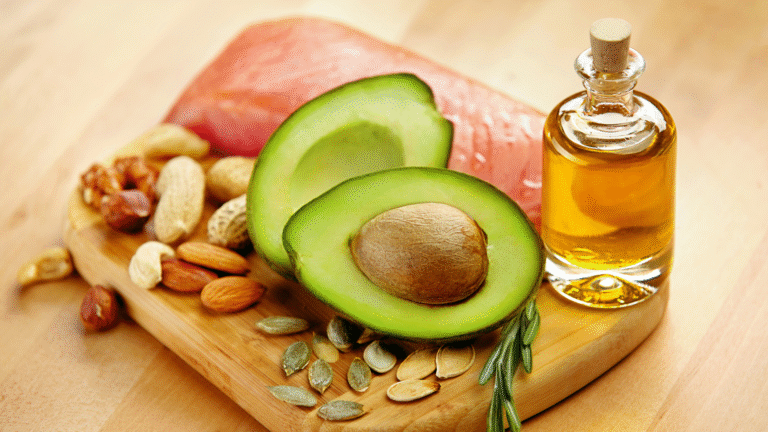
    Healthy fats support nutrient absorption and help maintain satiety between meals. Sources include olive oil, avocado, nuts (almonds, peanuts), peanut butter, and flaxseeds.

    Olive oil is high in monounsaturated fats, beneficial for heart health. Avocado provides potassium alongside fats, while nuts and seeds add protein and fibre.

    Incorporating small amounts of these fats, such as a tablespoon of olive oil or a handful of almonds, aids in the absorption of fat-soluble vitamins from vegetables and fruits.

    Balanced Plate Examples for Every Meal

    A balanced plate combines protein, carbohydrates, healthy fats, and vegetables in portions suited to the meal’s purpose. Each meal focuses on specific nutritional needs: energy, endurance, recovery, or maintenance, using whole foods to support daily activities efficiently.

    Breakfast for Energy and Focus

    Breakfast should provide lasting energy and mental clarity. A boiled egg offers high-quality protein that helps maintain steady blood sugar levels. Pairing it with oats provides complex carbohydrates for slow-release energy.

    Adding fruit or a handful of nuts introduces fibre and healthy fats. For example:

    • Boiled egg
    • Oats cooked in water or milk with a sprinkle of cinnamon
    • Fresh berries or a banana
    • A few walnuts or almonds

    This combination sustains focus through the morning and prevents sudden energy drops by balancing macronutrients and micronutrients.

    Lunch to Sustain Your Afternoon

    Lunch needs to maintain energy without causing sluggishness. Incorporating roasted veggies enhances fibre intake while providing essential vitamins. Sweet potatoes or rice offer complex carbohydrates to fuel the rest of the day.

    A typical plate might include:

    • Roasted mixed vegetables (e.g., peppers, zucchini, carrots)
    • Sweet potato or brown rice
    • Grilled chicken, tofu, or legumes
    • A drizzle of tahini for healthy fat and flavour

    This blend supports steady glucose levels and muscle endurance, helping avoid the afternoon energy slump.

    Dinner for Recovery and Nourishment

    Dinner focuses on muscle repair and replenishing nutrients after daily activities. Protein sources such as fish, lean beef, or legumes paired with a variety of steamed or roasted vegetables are essential.

    Including a carbohydrate like sweet potatoes or a small portion of rice helps restore glycogen stores. A balanced plate might be:

    • Grilled salmon or chickpea stew
    • Steamed broccoli and roasted carrots
    • Sweet potatoes
    • A spoonful of tahini for added fats

    This meal promotes recovery and prepares the body for restful sleep without overloading it.

    Balanced Snack Combinations

    Snacks should bridge the gap between meals without disrupting hunger cues. Combining protein and fibre helps control appetite and maintain energy.

    Examples include:

    • A boiled egg with carrot sticks
    • A small bowl of oats topped with nuts and fruit
    • Tahini spread on whole-grain crackers with cucumber slices

    These choices provide nutrients needed to avoid overeating at the next meal while keeping blood sugar stable.

    Practical Tips for Everyday Balanced Eating

    Building a balanced plate requires intentional choices around preparation, adapting to individual needs, and listening to the body’s signals. Consistency in these areas supports stable blood sugar, sustained energy, and proper muscle repair.

    Meal Planning and Preparation

    Effective meal planning ensures meals include appropriate portions of vegetables, proteins, and whole grains. Preparing meals in advance reduces the risk of unhealthy choices when time is limited or hunger is strong.

    A basic approach is to fill half the plate with colourful vegetables rich in antioxidants. One quarter should have lean protein sources like poultry, fish, beans, or tofu to support muscle repair. The remaining quarter can include whole grains or starchy vegetables to maintain blood sugar levels consistently throughout the day.

    Simple meal prep steps include washing and chopping vegetables in bulk and cooking proteins ahead of time. Using airtight containers helps preserve freshness and encourages portion control.

    Adapting the Plate Method to Your Lifestyle

    The plate method is flexible and can adjust to different dietary needs and daily routines. For example, athletes or highly active people may increase protein portions for muscle recovery, while those with digestive issues might prioritise fibre-rich vegetables for better digestion.

    When time is constrained, relying on balanced, ready-made meal kits or frozen vegetables paired with quick-cooking proteins can maintain plate balance without sacrificing nutrition.

    Those monitoring blood sugar can space meals evenly and choose low glycaemic index foods to avoid sharp spikes. It’s important to adapt the plate composition based on activity levels and health goals.

    Monitoring Satiety and Energy Levels

    Paying attention to fullness cues helps prevent overeating and supports maintaining a balanced diet. A balanced plate combining fibre, protein, and healthy fats promotes longer-lasting satiety.

    Tracking energy levels after meals can reveal which food combinations work best. If energy dips occur regularly, it may indicate the need to adjust carbohydrate types or increase protein intake for muscle repair and sustained energy.

    Regularly reviewing the effects of meals on digestion and physical performance allows fine-tuning of plate components for optimal health benefits.


  • Easy Food Swaps for Healthier Eating to Improve

    Easy Food Swaps for Healthier Eating to Improve

    Many people want to eat healthier, but worry that it means drastic changes or complicated recipes. Simple swaps in everyday foods can make a significant difference without feeling overwhelming or restrictive. These easy changes help improve nutrition and support better long-term habits.

    Swapping processed snacks for whole foods or choosing water over sugary drinks are practical examples anyone can try. By focusing on small adjustments, healthier eating becomes more manageable and sustainable for a busy lifestyle.

    Fundamental Food Swaps for Healthier Eating

    Small adjustments in everyday meals can improve nutrition significantly. By focusing on the quality of carbohydrates, fats, proteins, and spreads, a person can enhance nutrient intake while managing calorie consumption.

    Replacing White with Whole Grain Options

    Choosing whole-grain alternatives instead of white versions adds fibre, vitamins, and minerals to the diet. Whole wheat bread, brown rice, oats, and quinoa retain the bran and germ, which contain essential nutrients often lost in refined grains.

    Whole grains provide more sustained energy due to slower digestion. They help regulate blood sugar and support digestive health with higher fibre content. For example, swapping white rice for brown rice increases magnesium and B vitamins.

    People should look for labels stating “100% whole grain” or “whole wheat,” as some products may be mixed with refined grains. This swap consistently promotes better heart health and improved satiety without drastic changes to meal preparation.

    Substituting Unhealthy Fats with Healthy Fats

    Replacing saturated and trans fats with unsaturated fats reduces the risk of heart disease. Healthy fats include olive oil, avocado, nuts, and seeds, which are rich in vitamin E and essential fatty acids.

    Butter and lard are common sources of saturated fats, while many processed foods contain trans fats. Using olive or canola oil in cooking lowers unhealthy fat intake and boosts antioxidants.

    Nuts and seeds provide plant-based protein and fibre alongside healthy fats. Incorporating these in meals or snacks can improve overall nutrition. Reading ingredient lists helps avoid hidden unhealthy fats in packaged products.

    Choosing Lean Protein Sources

    Lean proteins supply necessary amino acids with less saturated fat, supporting muscle maintenance and metabolic health. Good options include skinless poultry, fish, legumes, tofu, and low-fat dairy.

    Red meats should be consumed in moderation or replaced with plant proteins to reduce saturated fat intake. Fish, especially oily types like salmon and mackerel, provide omega-3 fatty acids, which promote cardiovascular health.

    Legumes offer fibre and protein, making them excellent meat alternatives. Selecting lean cuts and removing visible fat from meat further improves the nutrient profile of meals.

    Switching to Nutritious Spreads and Toppings

    Changing spreads and toppings from high-fat, high-sugar varieties to nutrient-dense options improves meal quality without losing flavour. Instead of butter or sugary jams, options like nut butters, hummus, or avocado provide beneficial fats and nutrients.

    Nut butters are rich in protein, healthy fats, and vitamin E, supporting skin and immune health. Hummus adds fibre and plant protein from chickpeas.

    Choosing fresh herbs, low-fat cheese, or sliced vegetables as toppings increases vitamin and mineral intake. These swaps enhance meals while reducing empty calories from sugars and saturated fats.

    Smart Carbohydrate Alternatives

    Choosing the right carbohydrates can improve nutrient intake and support stable energy levels. Substituting refined grains with whole grain options increases fibre, vitamins, and minerals in daily meals.

    Brown Rice Over White Rice

    Brown rice retains its bran and germ layers, providing more fibre and essential nutrients like magnesium and B vitamins. This makes it a better option for maintaining digestive health and supporting metabolism.

    In contrast, white rice is milled to remove these layers, resulting in lower fibre and nutrient content. Brown rice also has a lower glycaemic index, which helps prevent rapid blood sugar spikes.

    Cooking brown rice requires slightly more time and water, but its benefits for sustained energy and fullness outweigh these minor inconveniences.

    Whole-Wheat Pasta and Bread

    Whole-wheat pasta and bread incorporate the entire grain kernel, ensuring higher fibre and protein content than their refined counterparts. This supports better digestion and longer-lasting satiety.

    The flavour of whole-wheat products is nuttier and denser, which some might initially find different. Gradually replacing white pasta and bread with whole-wheat versions can ease this transition.

    Whole-wheat choices provide more vitamins such as folate and iron, which are often reduced in refined grains. Checking labels can confirm 100% whole wheat ingredients for maximum benefit.

    Swapping Flour Types for Better Nutrition

    Replacing white flour with whole grain alternatives like whole wheat, spelt, or rye flour adds more nutrients and fibre to baked goods. These flours retain bran and germ components essential for nutrition.

    Whole wheat flour contains more protein and minerals, but may result in denser textures. Blending whole-grain flours with white flour can improve texture while increasing nutritional value.

    Using alternative flours supports blood sugar regulation better than highly refined white flour. It is important to adjust recipes slightly as different flours absorb liquids differently and affect baking outcomes.

    Nut and Spread Alternatives for Everyday Meals

    Nut-based spreads and whole nuts can enhance meals with protein, healthy fats, and vitamins like vitamin E. Choosing the right varieties can also provide antioxidants that support overall health.

    Peanut Butter as a Protein-Rich Spread

    Peanut butter is a convenient source of plant-based protein, typically offering about 25 grams per 100 grams. It supports muscle repair and maintenance when included in balanced diets.

    Natural or unsweetened peanut butter options minimise added sugars and unhealthy fats. Those with allergies or preferences can explore almond or cashew butters, which also supply protein and vitamin E.

    When used in sandwiches or smoothies, peanut butter adds texture and flavour while contributing to satiety due to its fat and protein content. Portion control is important, as it is calorie-dense.

    Using Nuts for Snacks and Meal Additions

    Whole nuts such as walnuts, almonds, and pistachios make nutritious snacks rich in healthy fats and vitamin E. A small handful (about 30 grams) is ideal for controlling calorie intake while gaining antioxidants.

    Adding chopped nuts to salads, yoghurt, or porridge boosts texture and nutrient content. Toasting nuts can enhance flavour, but should be done without added oils to maintain health benefits.

    Nuts benefit heart health through unsaturated fats and can support cognitive function due to their antioxidant content. They are portable and convenient for on-the-go snacking.

    Selecting Spreads with Added Nutritional Benefits

    Some spreads combine nuts with other nutrient-rich ingredients like seeds, herbs, or even vegetables. These blends can increase fibre, antioxidants, and micronutrients beyond what standard nut butters offer.

    Look for spreads fortified with omega-3 fatty acids or added vitamin E to boost antioxidant intake. Ingredients such as flaxseeds or chia seeds often appear in these mixes.

    Choosing spreads with no hydrogenated oils or excessive salt preserves their nutritional value. Reading labels for sugar content is crucial to avoid hidden calories and maintain health goals.

    Incorporating Food Swaps into Daily Habits

    Making simple adjustments in cooking, drinks, and flavourings can improve nutrient intake and reduce unhealthy fats. Small changes in ingredients and seasonings enhance meals without sacrificing taste or effort.

    Simple Swaps for Cooking and Baking

    Replacing butter with healthier fats like olive oil or avocado oil lowers saturated fat intake. These oils provide healthy fats and antioxidants, improving heart health.

    For baking, mashed bananas or applesauce can substitute butter or oil, reducing calories and adding natural sweetness. Using wholegrain flours instead of refined flour increases fibre, aiding digestion.

    Cooking methods also matter. Baking or steaming rather than frying limits unnecessary fat consumption. Swaps like Greek yoghurt in place of sour cream add protein and reduce fat in recipes.

    Healthier Beverage Choices

    Choosing water, herbal teas, or infused water instead of sugary drinks limits empty calories. Replacing sugary sodas with sparkling water and a splash of juice provides flavour without excess sugar.

    Swapping whole milk for plant-based alternatives like almond or oat milk can reduce saturated fat. Green and black teas offer antioxidants, supporting overall health.

    Limiting alcohol and choosing light versions helps control calorie intake and reduces harmful fat accumulation.

    Seasoning and Flavour Enhancements

    Using herbs and spices instead of salt controls sodium intake and adds antioxidants. Fresh basil, rosemary, turmeric, or chilli enhance meals naturally.

    Lemon juice or vinegar can brighten flavour without added fat or salt. Swapping creamy dressings with vinaigrettes made from olive oil incorporates healthy fats.

    Avoiding pre-made sauces high in sugar and saturated fats ensures healthier meals. Simple homemade dressings or rubs are effective food swaps to enhance taste while maintaining nutritional benefits.


  • A Beginner’s Guide To Reading Nutrition Labels Explained Clearly For Better Food Choices

    A Beginner’s Guide To Reading Nutrition Labels Explained Clearly For Better Food Choices

    Reading nutrition labels can seem confusing at first, but understanding them is essential for making healthier food choices. Nutrition labels provide detailed information about the contents of a product, including calories, fats, sugars, and vitamins, helping consumers compare foods and select options that align with their dietary needs.

    Many food labels include standard sections that list key nutrients and their amounts per serving. Being able to interpret these sections allows people to identify healthier options quickly and avoid ingredients they wish to limit.

    By learning how to read nutrition labels effectively, individuals gain control over their diet and are better equipped to choose foods that support their health goals. This guide will clarify the basics and offer practical tips for navigating food labels with confidence.

    Understanding Serving Size and Calories

    Knowing the serving size and calorie content helps individuals make informed food choices and manage their energy intake. Serving size indicates the amount of food the nutrition information applies to, while calories per serving reveal how much energy that portion provides.

    How to Interpret Serving Size

    Serving size is listed at the top of the nutrition label and is measured in familiar units such as grams, millilitres, or pieces. It represents the typical quantity people eat in one sitting, not the entire package unless otherwise stated.

    Understanding serving size is essential because all nutrient amounts, including calories, are based on it. Eating more than one serving means consuming more calories and nutrients than the label shows. Comparing serving sizes between similar foods helps avoid underestimating intake.

    Calories per Serving and Daily Energy Needs

    Calories per serving indicate the amount of energy gained from one serving of the food. The number helps gauge how this fits into daily energy needs, which vary by age, sex, weight, and activity level.

    Most adults need between 1,800 and 2,500 calories daily. Consistently consuming more calories than needed can lead to weight gain, while consuming fewer may cause weight loss. Using calorie information supports balanced food choices aligned with personal energy requirements.

    Decoding Macronutrients and Fibre

    Macronutrients provide the main energy and building blocks for the body. Understanding them helps interpret nutrient content and supports a balanced diet. Fibre, often listed with carbohydrates, plays a key role in digestion and health.

    Protein: Role in Muscle and Satiety

    Protein is essential for muscle mass maintenance and repair. It also helps increase feelings of fullness after meals, which can aid in appetite control. Nutritional labels list protein in grams, showing the amount per serving.

    Sources of protein include meat, dairy, legumes, and some grains. For adults, a typical intake is around 50 grams daily, but this varies by age and activity level. Higher protein diets may support muscle growth and recovery.

    When reading labels, look for protein as a key nutrient that contributes not only to muscle health but also to overall satiety and energy balance.

    Carbohydrates: Total, Fibre, and Sugars

    Carbohydrates are the body’s primary fuel source. Nutrition labels display total carbohydrates, which include fibre, sugars, and starches. Dietary fibre is listed separately because it does not raise blood sugar levels and aids digestion.

    Fibre intake is important, with recommendations around 30g per day for adults. It aids bowel health and can help lower cholesterol. On labels, look for dietary fibre as a positive nutrient.

    Sugars are also broken down into total sugars and sometimes added sugars. Added sugars are those introduced during food processing and can negatively impact health if consumed in excess. Monitoring sugar intake supports better blood sugar control.

    Fats: Types and Recommendations

    Total fat on labels includes saturated, trans, and unsaturated fats. Saturated and trans fats are associated with higher heart disease risk and should be limited. Trans fats, often found in processed foods, have the strongest negative health effects.

    Unsaturated fats, such as those from nuts, seeds, and fish, are considered healthy fats. They support heart health and provide essential fatty acids. Recommendations suggest replacing saturated fats with unsaturated fats when possible.

    Checking labels for fat types helps consumers choose foods that contribute to a balanced diet and reduce risk factors related to fat intake.

    Micronutrients and % Daily Value

    Micronutrients such as vitamins and minerals are essential for health, supporting functions like immune defence and bone strength. The % Daily Value (% DV) on labels helps consumers understand the contribution of these nutrients to a typical diet.

    Vitamins and Minerals on the Label

    Nutrition labels list specific vitamins and minerals, usually including vitamin D, calcium, iron, and potassium. Vitamin D supports bone health and immune function, while calcium is critical for strong bones and teeth.

    Iron is vital for oxygen transport in the blood, and potassium helps maintain healthy blood pressure. These nutrients are often highlighted because many people do not get enough from their diet.

    Labels only show micronutrients considered important for public health. The amount is provided in milligrams (mg), micrograms (mcg), or International Units (IU), depending on the nutrient.

    Using Percent Daily Value to Guide Choices

    The % Daily Value (% DV) shows how much a nutrient in a serving contributes to the recommended daily intake. It is based on a 2,000-calorie diet, which may differ from individual needs.

    A higher % DV for minerals like calcium or vitamin D can indicate a good source that helps meet daily requirements. For nutrients like iron, aiming for around 15-20% DV per serving can support daily intake targets.

    Consumers should use % DV to compare products and ensure they meet, but do not excessively exceed, their nutritional needs. Values of 5% or less indicate low content, while 20% or more indicate high.

    Ingredients List and Practical Application

    Understanding the order and content of ingredients on product packaging helps consumers identify whole foods versus processed items. Recognising additives and misleading health claims supports better dietary choices, especially for managing sodium, cholesterol, and hidden sugars.

    How to Read the Ingredients List

    The ingredients list shows all components in descending order by weight. The first few ingredients constitute the largest portion of the product. Whole foods like vegetables, grains, or meats usually appear early in minimally processed items.

    If ingredients are long chemical names or unfamiliar additives, the product is likely highly processed. Consumers should be cautious with items containing many artificial components or preservatives. Checking if sugars, fats, or salt appear near the top signals their high presence.

    Spotting Hidden Sugars and Additives

    Hidden sugars often use unfamiliar names, such as dextrose, maltose, or syrup variants. These can increase calorie intake and affect blood sugar without an obvious “sugar” listed. Identifying multiple sugar types overall confirms high sugar content.

    Additives may include flavour enhancers, colourings, or stabilisers, often linked to processed food. High sodium levels in these additives can impact blood pressure and cardiovascular health. Closely reading the ingredients list helps pinpoint these less obvious components.

    Recognising Health Claims and Making Smart Choices

    Health claims such as “low cholesterol” or “heart healthy” can be present but require scrutiny. Such claims do not always mean the product is low in sodium or sugar. Labels may highlight some positive aspects while neglecting others less beneficial.

    Smart choices involve cross-referencing health claims with the full ingredients list and nutrient information. Prioritising products with whole ingredients and limited additives supports better dietary decisions. Consumers interested in lowering cholesterol or sodium intake must verify these elements beyond the health claims.


  • How to Make Healthy Eating a Daily Habit: Strategies for Long-Term Success

    How to Make Healthy Eating a Daily Habit: Strategies for Long-Term Success

    Making healthy eating a daily habit can transform one’s life significantly. By incorporating simple strategies and mindful choices into daily routines, individuals can foster a sustainable, healthy diet that enhances their overall well-being. The journey begins with understanding personal preferences and making gradual changes that feel enjoyable rather than restrictive.

    Meal planning can play a crucial role in this process, as it helps to eliminate impulsive food choices. By dedicating time each week to prepare meals and snacks, one can ensure that nutritious options are readily available. This proactive approach not only supports healthier eating but also instils a sense of routine that reinforces commitment.

    Additionally, tracking food intake can provide valuable insights and encourage continuous improvement. By becoming aware of what is consumed, individuals can identify patterns and make informed decisions that promote healthier habits. Engaging in this practice can ultimately make the transition to daily healthy eating feel achievable and rewarding.

    Building The Foundation For Healthy Eating

    Establishing a solid foundation for healthy eating is crucial for cultivating lasting habits. Understanding nutrition basics, integrating them into a daily routine, and emphasising moderation forms the backbone of a sustainable approach to a healthy diet.

    Understanding The Basics Of Nutrition

    Knowledge of nutrition is fundamental. The primary components include carbohydrates, proteins, fats, vitamins, and minerals. Each plays a unique role in the body.

    • Carbohydrates are the body’s main energy source. They should come from whole grains, fruits, and vegetables.
    • Proteins support muscle repair and overall bodily functions. Good sources include lean meats, fish, eggs, and legumes.
    • Fats are essential for hormone production and brain health, but prioritise unsaturated fats from oils, nuts, and avocado over saturated fats.

    Nutrition labels can help in making informed choices regarding energy intake. Aiming for a balanced plate with various food groups can ensure all nutritional needs are met.

    The Role Of Daily Routine In Habit Formation

    Daily routines significantly affect dietary choices. Consistent meal patterns help reinforce healthy eating habits.

    To implement these changes, consider adopting the following methods:

    • Meal Planning: Prepare meals in advance to avoid impulsive choices.
    • Regular Meal Times: Eating at consistent times can regulate hunger and energy levels.
    • Healthy Snacks: Stocking healthy snacks, like fruit or nuts, can curb unhealthy cravings.

    Small changes in routine can create significant impacts on eating behaviours. Incorporating these adjustments into daily living aids in the establishment of lasting habits.

    The Importance Of Moderation And Balance

    Moderation is key in maintaining a healthy diet. Instead of restrictive eating, focus on balance to foster a positive relationship with food.

    • Portion control plays a significant role. Using smaller plates or bowls can naturally reduce serving sizes without feeling deprived.
    • Occasional treats are beneficial for psychological satisfaction. Designating a small portion of the diet for indulgences helps prevent feelings of restriction.

    Understanding individual energy requirements is important. Tracking intake can ensure that nutrition is aligned with personal goals. The emphasis should remain on a varied and balanced diet that promotes well-being over time.

    Choosing Nutritious Foods Every Day

    Consistently choosing nutritious foods is essential for maintaining a healthy diet. This involves prioritising specific food groups and being mindful of less beneficial options. Key strategies include incorporating a variety of fruits, vegetables, whole grains, and lean proteins.

    Prioritising Fruits And Vegetables

    Fruits and vegetables are rich in essential vitamins, minerals, and fibre. These food groups provide antioxidants that help combat oxidative stress and support overall health.

    Incorporating a rainbow of colours ensures a wider range of nutrients. For instance, dark leafy greens like kale and spinach are high in iron and calcium, while brightly coloured fruits like berries and oranges are packed with vitamins C and E.

    Aim for at least five portions of fruits and vegetables each day. This can include fresh, frozen, or dried options, as well as smoothies. Preparing these foods in various ways—such as steaming, roasting, or blending—can help maintain their nutritional value.

    Incorporating Whole Grains, Legumes, And Beans

    Whole grains are a significant source of fibre and provide energy. Foods such as brown rice, quinoa, and wholegrain bread are excellent choices. They can enhance satiety and regulate blood sugar levels.

    Legumes and beans, including lentils and peas, are another critical component. These foods are high in protein and fibre, making them ideal for vegetarian and vegan diets. Incorporating them into meals can improve overall nutrient intake without relying heavily on animal products.

    A varied diet with whole grains, legumes, and beans can help manage weight and reduce the risk of chronic diseases. They are versatile ingredients that work well in soups, salads, and stews.

    While dietary changes help with general weight management, some people experience fat accumulation that does not respond to diet or exercise. This issue is often a sign of an underlying medical condition rather than simple weight gain. In these cases, a professional medical evaluation is necessary to find the right path forward. Specialized clinics have Expert Lipedema Diagnosis & Treatment options to help patients understand their symptoms. Getting an accurate assessment helps people manage their health and find relief from chronic discomfort.

    Furthermore, many people look to specific regions of the world where people live the longest for inspiration. These areas often rely on plant-heavy meals that focus on beans and local produce. Following a blue zone diet for seniors is one way to adopt these habits. This way of eating limits meat and processed sugars while it emphasises natural ingredients. It has a strong focus on longevity through simple, whole foods. Seniors may find that these recipes are easy to prepare and keep them full throughout the day.

    Selecting Lean Proteins And Dairy

    Lean proteins are vital for muscle maintenance and overall health. Options such as chicken, turkey, fish, and eggs provide high-quality protein with lower saturated fats.

    Dairy products, including low-fat milk, yoghurt, and cheese, offer calcium and other nutrients. Choosing low-fat or fat-free options can help reduce saturated fat intake while still providing essential nutrients.

    Combining these proteins with vegetables or whole grains can create balanced meals. For instance, a chicken stir-fry with mixed vegetables over brown rice provides a nutritious and filling dish.

    Limiting Sugary Foods And Salty Snacks

    Reducing sugary foods and salty snacks is crucial for maintaining health. High sugar intake can lead to obesity and increase the risk of diabetes. Foods like sugary drinks, candies, and pastries should be consumed sparingly.

    Salty snacks, such as chips and processed items, often contain high levels of sodium. Excessive sodium consumption can lead to hypertension or other cardiovascular issues. Opting for healthier alternatives, like air-popped popcorn or unsalted nuts, can satisfy cravings without compromising nutrition.

    Mindful eating and reading labels can help individuals make better choices in their diet. Prioritising whole, unprocessed foods over highly sugary or salty options pays off in the long run.

    Integrating Healthy Habits Into Your Daily Life

    Incorporating healthy eating into daily routines involves strategic planning and conscious decision-making. The following sections provide practical insights into effective meal preparation, dining out, understanding nutrition information, and adapting meals to fit cultural backgrounds.

    Effective Meal Planning Strategies

    Meal planning is essential for achieving consistent healthy eating. By dedicating time each week to plan meals, individuals can ensure they have nutritious options readily available.

    Start by selecting a day to plan meals for the week. Create a menu that includes breakfast, lunch, dinner, and snacks.

    A simple template can help:

    Meal Options
    Breakfast Oatmeal, Greek yoghurt, Smoothies
    Lunch Salads, Whole grain wraps
    Dinner Grilled chicken, Quinoa bowls
    Snacks Fruit, Nuts

    Shopping lists should align with the planned meals to avoid impulse buys. Preparing ingredients in advance, such as chopping vegetables or marinating proteins, also streamlines cooking during busy weekdays.

    Making Healthier Choices When Eating Out

    Eating out can challenge healthy eating habits, but making informed choices is possible. Many restaurants offer healthier options on their menus. Choosing dishes that are grilled, baked, or steamed can significantly reduce fat and calorie intake.

    Consider the following tips:

    • Ask for dressings and sauces on the side: This allows control over portion sizes.
    • Opt for smaller portions or share plates: This reduces calorie intake while enabling taste exploration.
    • Select water or unsweetened beverages: These cut down on sugar and caloric intake.

    By being mindful and aware, dining out can still support a healthy lifestyle.

    Reading And Understanding Nutrition Labels

    Nutrition labels provide essential information for making informed food choices. Understanding how to read these labels is crucial for health-conscious individuals.

    Key components on labels include:

    • Serving size: Indicates how much of the product is considered one serving.
    • Calories: Helps track energy intake throughout the day.
    • Nutrients: Look for fibre, protein, vitamins, and minerals. Aim for higher values in these areas.

    Be wary of high amounts of saturated fats, sugars, and sodium. Comparing similar products can also help make better choices, as some may be healthier than others despite similar appearances.

    Adapting Healthy Eating To Cultural Traditions

    Food is often a central part of cultural traditions. Adapting healthy eating within these contexts is important for maintaining customs while promoting wellness.

    Begin by identifying staple foods within the culture and exploring healthier alternatives. For example:

    • Substitute white rice with brown rice or quinoa.
    • Use lean cuts of meat in traditional recipes.
    • Increase the vegetable content in stews or curries.

    Incorporating traditional cooking methods, like grilling or steaming instead of frying, can enhance the nutritional value without sacrificing taste. Engaging in community cooking sessions can help learn new techniques while preserving cultural heritage.

    Overcoming Challenges And Sustaining Progress

    Healthy eating often faces obstacles that require effective strategies for success. By addressing setbacks, managing stress, incorporating physical activity, and preventing chronic conditions, individuals can create sustainable habits that contribute to long-term health.

    Managing Setbacks And Staying Motivated

    Setbacks in healthy eating can occur for various reasons, such as social events or unexpected emotional triggers. It’s essential to acknowledge these moments without guilt. Developing a plan can help, including setting realistic goals and recognising achievements, no matter how small.

    Keeping a food diary can be beneficial. This practice encourages awareness of eating habits and helps individuals identify triggers that lead to overeating or unhealthy choices. Surrounding oneself with a supportive network can also enhance motivation, offering encouragement and accountability.

    The Connection Between Stress And Eating Patterns

    Stress significantly influences eating patterns. During stressful times, individuals may resort to comfort foods high in sugar and saturated fats. Recognising this connection is crucial for making mindful choices.

    Techniques such as deep-breathing exercises, mindfulness, or engaging in hobbies can help reduce stress. When someone manages stress effectively, they are less likely to experience emotional eating and maintain a balanced diet. Focusing on regular meal times can also support stable energy levels and prevent unhealthy snacking.

    Physical Activity And Its Role In Healthy Living

    Physical activity complements healthy eating and aids in maintaining weight. Regular exercise can improve cardiovascular health, supporting lower blood pressure and cholesterol levels. Incorporating activities like walking, cycling, or swimming aids in weight management and enhances overall well-being.

    Setting a routine that includes at least 150 minutes of moderate aerobic activity each week can be beneficial. Strength training is also important, as it helps build muscle mass — a factor that declines with ageing. This combination not only assists with weight loss but also boosts metabolism.

    Preventing Chronic Conditions Through Diet

    A nutritious diet plays a vital role in preventing chronic conditions such as heart disease, obesity, and type 2 diabetes. Reducing high sodium intake and avoiding saturated fats can lower the risk of hypertension and cholesterol-related issues.

    Including a variety of whole foods, such as fruits, vegetables, whole grains, and lean proteins, can enhance nutrient intake. Monitoring portion sizes is essential for preventing weight gain or promoting weight loss. Moreover, staying hydrated supports metabolic processes, which are crucial for maintaining healthy body functions.


  • How to Incorporate More Vegetables into Your Diet for Better Health

    How to Incorporate More Vegetables into Your Diet for Better Health

    Incorporating more vegetables into the diet can significantly enhance overall health and well-being. Simple adjustments, such as adding a variety of colours and types of vegetables to meals, can make a noticeable difference. Many people find that increasing vegetable intake not only boosts energy levels but also contributes to a more balanced diet.

    With a few creative strategies, anyone can make vegetables a more prominent part of their meals. Swapping out familiar carbohydrate sources for vegetable alternatives, like zucchini noodles or cauliflower rice, can be an easy start. Additionally, adding greens to smoothies or sautéing vegetables as a side dish can effortlessly elevate a meal.

    Ultimately, making vegetables more accessible and appealing is key to enjoying them regularly. By experimenting with different cooking methods and flavours, individuals can discover new ways to enjoy their greens. The journey to a vegetable-rich diet can be both satisfying and delicious.

    Understanding the Importance of Vegetables in Your Diet

    Vegetables are a crucial component of a balanced diet, offering a wealth of essential nutrients and significant health benefits. Their regular consumption can aid in disease prevention, weight management, and the overall enhancement of well-being.

    Essential Nutrients Provided by Vegetables

    Vegetables are rich in essential vitamins and minerals that play vital roles in maintaining health. They provide nutrients such as vitamin C, which supports the immune system, and vitamin A, important for vision and skin health. Leafy greens, like spinach and kale, are also high in iron and calcium.

    In addition to vitamins and minerals, vegetables are an excellent source of dietary fibre. Fibre aids in digestion, promotes satiety, and helps to control blood sugar levels. The presence of phytochemicals, like carotenoids and flavonoids, in vegetables also contributes to various bodily functions and helps maintain health.

    Health Benefits of Increased Vegetable Intake

    Incorporating more vegetables into the diet is associated with numerous health benefits. Increased vegetable consumption has been linked to reduced risks of chronic diseases, including cardiovascular disease and some cancers. The antioxidants found in many vegetables combat oxidative stress and inflammation, contributing to improved heart health.

    Moreover, vegetables can assist in weight management due to their low calorie density and high fibre content. They help individuals feel full while consuming fewer calories, making it easier to maintain a healthy diet. Regular intake of a variety of vegetables also enhances mood and cognitive functions.

    Role of Vegetables in Disease Prevention

    Eating a diet rich in vegetables can play a significant role in preventing diseases. Studies indicate that a high intake of vegetables is associated with a lower risk of developing type 2 diabetes. The antioxidants and phytochemicals in vegetables help control blood sugar levels and improve insulin sensitivity.

    Moreover, certain vegetables contain compounds that have been shown to protect against some types of cancer. For instance, cruciferous vegetables, such as broccoli and Brussels sprouts, contain glucosinolates, which may reduce cancer cell formation. By including a range of vegetables daily, one can significantly lower their risk of numerous health issues.

    Practical Strategies to Eat More Vegetables Every Day

    Incorporating more vegetables into daily meals can be straightforward with a few practical strategies. These methods focus on integrating vegetables into breakfast, snacks, and main dishes, while also considering convenient options for busy lifestyles.

    Incorporating Vegetables into Breakfast and Snacks

    Adding vegetables to breakfast can easily enhance nutritional intake. One option is to include spinach or tomatoes in scrambled eggs or omelettes. Avocado toast can be topped with sliced radishes or cucumber for added taste and texture.

    For snacks, consider carrot sticks, celery, or bell pepper strips paired with hummus. A vegetable smoothie with kale or spinach can be energising. Another idea is to create a fruit salad containing diced cucumber or zucchini, bringing a refreshing crunch to the mix.

    Creative Meal Ideas to Boost Vegetable Consumption

    Creative meal ideas can make vegetables more appealing. Instead of traditional pasta, try cauliflower rice as a base for stir-fries. Incorporating a variety of colours and textures can spark interest.

    Lettuce wraps are another exciting alternative to bread for sandwiches. Fill them with grilled chicken, peppers, and a drizzle of sauce for flavour. Soups are also a convenient way to consume more vegetables. A tomato or vegetable-based soup can include carrots, celery, and leafy greens blended.

    Using Sauces, Soups, and Smoothies for Extra Vegetables

    Sauces can significantly increase vegetable intake. A homemade marinara sauce can include chopped carrots, zucchini, and bell peppers. These ingredients blend well and add nutrients without altering the sauce’s flavour.

    Soups are an excellent medium for incorporating various vegetables. A hearty minestrone can feature beans, tomatoes, and a medley of vegetables. For those on the go, smoothies are an ideal choice. Spinach, kale, or even cauliflower can be added to fruit smoothies without compromising taste.

    Choosing Convenient Options: Frozen, Canned, and Prepared Vegetables

    For those needing convenience, frozen and canned vegetables offer quick options. Frozen vegetables retain nutrients and can be microwaved in minutes. They are versatile for stir-fries, soups, or as sides.

    Canned vegetables, such as tomatoes or beans, are also easy to incorporate into a meal. When selecting canned options, look for those without added salt or sugars. Prepared vegetables, like pre-chopped salads or stir-fry mixes, save time and enhance meal preparation efficiency, making it easier to eat more vegetables daily.

    Diverse Ways to Add More Vegetables to Meals

    Incorporating vegetables into meals can be both creative and satisfying. There are various methods to seamlessly enhance dishes with a variety of plant foods, ensuring balanced nutrition and flavour.

    Integrating Vegetables into Main Dishes

    Vegetables can significantly elevate main dishes. One approach is to include mushrooms and beans in casseroles or stir-fries for added texture and nutrients. For instance, a mushroom and lentil shepherd’s pie forms a hearty base. Tofu offers another versatile option. When marinated and grilled, it pairs excellently with bell peppers and broccoli.

    For pasta dishes, blending puréed vegetables, like spinach or zucchini, into the sauce not only boosts nutrition but also introduces vibrant colours. Utilising grains like quinoa or brown rice as a base allows for mixing various cooked and raw vegetables, fostering a nutrient-dense meal.

    Adding Vegetables to Side Dishes and Salads

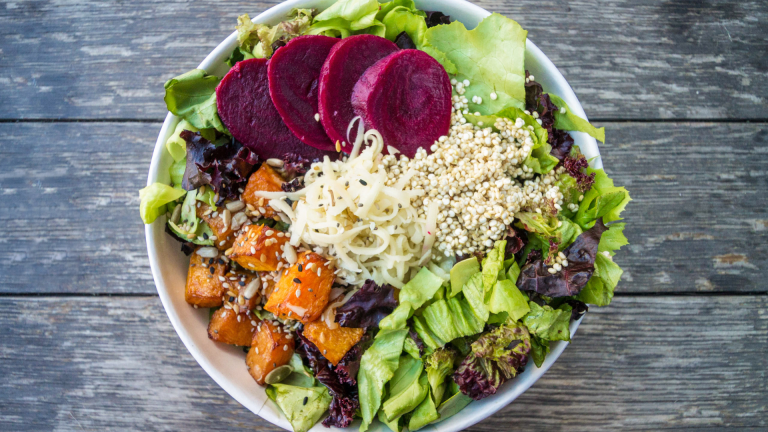
    Side dishes provide a great opportunity to incorporate vegetables creatively. One option is to roast seasonal vegetables seasoned with olive oil, salt, and herbs. Carrots, beets, and courgettes develop deep flavours through roasting.

    Salads can turn more exciting with the addition of fruits and vegetables. Chopped kale or spinach, combined with diced apples and walnuts, can create a refreshing side.

    Dressings made from nuts or seeds can also enhance both flavour and texture. A tahini or almond butter dressing complements a medley of greens and roasted vegetables beautifully.

    Blending Plant-Based Proteins and Vegetables

    For balanced meals, blending plant-based proteins with vegetables can be effective. Lentils and beans serve as excellent protein sources when combined with sautéed vegetables. A lentil stew with carrots, celery, and tomatoes offers nourishment and flavour.

    Nuts and seeds add nutritious crunch and depth. Sprinkling chopped almonds on a vegetable stir-fry or incorporating chia seeds into smoothies can elevate the dish.

    Creating stuffed peppers or zucchini with a mix of quinoa, black beans, and diced vegetables provides a satisfying vegetarian option. This not only showcases the vegetables but also integrates substantial plant-based proteins, enhancing the meal’s nutritive value.

    Tips for Sustaining Long-Term Vegetable Intake

    Incorporating more vegetables into a diet requires practical strategies to overcome hurdles and establish lasting habits. Understanding common barriers and employing effective shopping, preparation, and family-friendly methods can significantly enhance vegetable intake.

    Overcoming Common Barriers

    Many individuals face obstacles to increasing vegetable consumption, such as lack of time, limited cooking skills, or even taste preferences. To tackle time constraints, preparing vegetables in advance can make them more accessible for meals throughout the week.

    Creating simple recipes that highlight the natural flavours of vegetables can also enhance their appeal.

    Taste Exploration: Experimenting with different cooking methods (e.g., roasting, grilling, steaming) can change the texture and flavour profile, making vegetables more enjoyable.

    Additionally, incorporating vegetables into favourite dishes helps ease the transition. For instance, adding spinach to smoothies or carrots to pasta dishes allows for gradual adaptation to higher vegetable intake.

    Shopping and Preparation Techniques

    Successful incorporation of vegetables begins at the grocery store. It is important to create a shopping list focusing on a variety of colours and types to ensure nutrient diversity.

    Tip: Choose seasonal vegetables for better flavour and affordability. Packaged or pre-prepped vegetables can save time, but often at a higher cost.

    Planning meals ahead of time simplifies preparation. Batch cooking can also be beneficial. Roasting or steaming vegetables in large quantities not only saves time but ensures that healthy options are readily available for days.

    Proper storage techniques are crucial. Keeping vegetables visible in the fridge encourages consumption rather than letting them go unnoticed and spoil.

    Family-Friendly Approaches

    Involving family members in meal preparation can raise awareness and increase excitement about vegetables. Children especially benefit from learning about nutrition through hands-on experiences.

    Engagement Strategies: Encourage kids to pick out vegetables during grocery shopping. Cooking together can make the process fun and educational.

    Creating a vegetable-focused family night where everyone can choose their favourite vegetables to cook can foster healthy habits.

    Lastly, models matter. When family members see others enjoying vegetables, they are more likely to follow suit. Sharing creative vegetable dishes can make vegetables a desired part of every meal.


  • How to Reduce Sugar Intake Without Feeling Deprived: Practical Tips for Healthier Eating

    How to Reduce Sugar Intake Without Feeling Deprived: Practical Tips for Healthier Eating

    Many people struggle with sugar cravings while attempting to reduce their intake. Making mindful swaps and incorporating whole foods into the diet can significantly cut down on sugar without causing a sense of deprivation. By understanding how to adjust food choices and seek alternatives, individuals can enjoy a satisfying diet that supports their health goals.

    Replacing sugary snacks with nutrient-dense options is a key strategy. For instance, choosing fruits, nuts, or yoghurt can satisfy cravings while providing essential nutrients. It’s also beneficial to read labels carefully, as many packaged foods contain added sugars that can be avoided with a little awareness.

    Creating balanced meals that include protein, healthy fats, and plenty of vegetables helps maintain steady energy levels, reducing the likelihood of reaching for sugary treats. Small, sustainable changes can pave the way to a healthier lifestyle without the feeling of missing out on enjoyable foods.

    Understanding Sugar Intake and Its Impact

    Sugar intake has significant health implications. Recognising the types of sugars consumed, along with their effects on the body, can help in making informed dietary choices.

    What Are Added Sugars?

    Added sugars are sweeteners added to food during processing or preparation. Common sources include soft drinks, candies, baked goods, and some condiments. Unlike natural sugars found in fruits and vegetables, added sugars provide empty calories, with little to no nutritional value.

    The World Health Organisation recommends that added sugars constitute no more than 10% of total daily energy intake. This means that for an average adult consuming 2,000 calories, no more than 200 calories should come from added sugars, roughly equivalent to 50 grams or about 12 teaspoons.

    Health Risks of Excess Sugar

    Excessive sugar intake is linked to several health issues. One major concern is its role in the development of type 2 diabetes. Over time, high sugar consumption can lead to insulin resistance, a precursor to diabetes.

    Moreover, high sugar levels are associated with an increased risk of cardiovascular disease. When blood sugar levels spike, it can lead to inflammation and damage to blood vessels. Other risks include obesity, liver disease, and dental problems.

    A diet high in sugar can also affect mental health, potentially leading to mood swings and anxiety. Reducing added sugars significantly lowers these risks.

    How Sugar Affects Blood Sugar Levels

    Sugar impacts blood sugar levels significantly. When consumed, it is quickly absorbed into the bloodstream, causing blood sugar levels to rise rapidly. This triggers the pancreas to release insulin, a hormone that helps cells absorb glucose for energy.

    If sugar intake is excessive or regular, the body may not respond effectively to insulin. This can lead to sustained high blood sugar levels over time. Prolonged elevated blood sugar levels can result in complications such as nerve damage and cardiovascular issues.

    Monitoring sugar intake is crucial for those at risk of diabetes or those managing diabetes. A consistent diet with controlled sugar levels can help maintain stable blood glucose levels and promote overall health.

    Practical Strategies to Reduce Sugar Without Feeling Deprived

    Reducing sugar intake can be achieved with thoughtful choices that do not compromise enjoyment. By opting for naturally sweet foods, enhancing flavours with spices, embracing whole foods, and being mindful of portion sizes, one can successfully lower sugar consumption while still feeling satisfied.

    Choosing Naturally Sweet Foods

    Incorporating naturally sweet foods can satisfy sweet cravings without added sugars. Fresh fruit such as bananas, apples, and berries works well as snacks or dessert options.

    Dried fruits, like apricots or dates, can also provide sweetness but should be consumed in moderation due to their concentrated sugars. When preparing meals, mashed bananas can replace sugar in baking, adding both moisture and sweetness.

    Opting for smoothies made from fruits and vegetables can offer a fulfilling way to enjoy sweet flavours without processed sugars. When craving something sweet, these options help maintain satisfaction while reducing reliance on added sugar.

    Enhancing Flavour With Spices

    Utilising spices is an effective way to enhance the flavour profile of meals without adding sugar. Spices like cinnamon can impart a sweet aroma and taste when sprinkled on oatmeal or yoghurt.

    Others, such as vanilla extract or nutmeg, can also elevate sweetness levels in a dish without adding calories. Ginger and cardamom possess natural sweetness that complements various foods.

    Creating spice blends tailored to personal preferences can replace sugary sauces or marinades. With the right spices, meals can become more exciting, encouraging a decline in sugar-laden options.

    Discovering the Power of Whole Foods

    Whole foods are inherently low in added sugars and high in nutritional value. Focusing meals around whole grains, legumes, nuts, and vegetables provides essential nutrients and keeps energy levels stable.

    Choosing brown rice, quinoa, and other whole grains can add natural sweetness and a satisfying texture. Incorporating a variety of colourful vegetables enhances meals and contributes to a diet rich in fibre.

    Whole foods also promote fullness, reducing cravings for sugary snacks. Preparing meals from scratch enables control over ingredients, ensuring that added sugars are kept at a minimum.

    Smart Portion Sizes and Snacking

    Managing portion sizes plays a vital role in reducing sugar intake while still feeling satisfied. Adjusting serving sizes can make a significant difference, especially with desserts and snacks.

    Using smaller plates and bowls can create the illusion of a fuller plate, leading to reduced portion sizes. It can be beneficial to portion out snacks instead of eating directly from a larger container to prevent overeating.

    Snacking on whole foods such as vegetables with hummus or a handful of nuts creates a balance, providing satisfaction without excess sugar. Keeping healthy snacks readily available supports mindful eating habits and reduces the temptation to indulge in sugary options.

    Balanced Nutrition to Curb Sugar Cravings

    Maintaining balanced nutrition plays a crucial role in managing sugar cravings. Specific nutrients can help stabilise blood sugar levels and reduce the desire for sugary snacks. Key focus areas include adequate intake of protein and fibre, essential vitamins and minerals, and the inclusion of antioxidants.

    Focus on Protein and Fibre

    Incorporating adequate protein into meals aids in keeping hunger at bay. Protein helps maintain muscle mass and provides a steady release of energy, which can diminish cravings for sugar-dense foods. Foods rich in protein, such as lean meats, beans, and nuts, are excellent choices.

    Fibre is equally important; it slows digestion and promotes feelings of fullness. High-fibre foods like fruits, vegetables, and whole grains can help stabilise blood sugar levels. A balanced meal should include both protein and fibre to effectively manage appetite and minimise cravings.

    Incorporating Essential Vitamins and Minerals

    Essential vitamins and minerals play a vital role in reducing sugar cravings. Deficiencies in nutrients such as magnesium, zinc, and chromium can increase the desire for sugary foods.

    Magnesium is particularly important because it helps regulate blood sugar. Foods like leafy greens, seeds, and whole grains are good sources.

    Zinc supports insulin function, and foods such as meat, shellfish, and legumes are beneficial. Chromium, found in whole grains and some vegetables, helps enhance insulin sensitivity. A varied diet rich in these nutrients can effectively diminish sugar cravings.

    Adding Antioxidants and Dark Chocolate

    Antioxidants can combat oxidative stress and may play a role in reducing cravings. Foods rich in antioxidants, such as berries, nuts, and dark leafy greens, can support overall health and well-being. Dark chocolate is a notable exception in the realm of sweets. Its high cocoa content offers significant antioxidant benefits.

    Consuming dark chocolate in moderation can satisfy sweet cravings without leading to excessive sugar intake. Aim for chocolate with at least 70% cocoa for maximum health benefits. Balancing these elements can support cravings reduction while contributing to overall nutritional needs.

    Making Sustainable Changes for Lasting Results

    Implementing practical changes can significantly aid in reducing sugar intake without causing feelings of deprivation. This section highlights useful strategies such as understanding food labels, familiarising oneself with FDA guidelines, and enhancing insulin sensitivity.

    Learning to Read Food Labels

    Reading food labels is crucial for identifying added sugars in products. Start by looking for terms like “sucrose,” “high-fructose corn syrup,” and “glucose,” which indicate sugar content. The Nutrition Facts panel on packaged foods lists total sugars, including added sugars.

    • Key Tips:
      • Compare similar products to find lower-sugar options.
      • Check serving sizes, as they can significantly influence total sugar intake.

    Utilising apps and websites that analyse food labels can also streamline this process, making it easier to make informed dietary choices.

    Understanding FDA Guidelines

    The FDA has established guidelines for added sugars, recommending that they make up no more than 10% of daily caloric intake. This equates to roughly 50 grams for a 2,000-calorie diet.

    • Important Points:
      • Check the Daily Value (%DV) on food labels to gauge sugar content compared to overall nutrition.
      • Recognise that natural sugars, found in fruits and vegetables, do not fall under the same restrictions as added sugars.

    Understanding these guidelines helps individuals make conscious decisions about their diets while maintaining a balanced approach to sugar intake.

    Improving Insulin Sensitivity and Preventing Weight Gain

    Focusing on enhancing insulin sensitivity can also assist in managing sugar intake effectively. This involves consuming a diet rich in whole foods, including fibre, healthy fats, and lean proteins.

    • Strategies Include:
      • Engaging in regular physical activity can improve insulin response.
      • Eating meals at consistent times to regulate blood sugar levels.

    Preventing weight gain is also essential in this context. Studies indicate that excess sugar can lead to weight gain, exacerbating insulin resistance. Maintaining a healthy weight through proper dietary choices can lead to improved overall health and reduced cravings for sugary foods.


  • How to Stop Eating Junk Food: Effective Strategies for Healthier Choices

    How to Stop Eating Junk Food: Effective Strategies for Healthier Choices

    Many individuals struggle with the allure of junk food, often finding it tempting despite their awareness of healthier options. To stop eating junk food, it is essential to recognise triggers and replace unhealthy snacks with nutritious alternatives, fostering better eating habits. By understanding one’s own triggers and motivations, lasting changes can be achieved.

    Implementing small, manageable changes can significantly impact one’s lifestyle. Embracing healthy eating habits starts with planning meals and creating a supportive environment at home. By making conscious choices and seeking balance, the goal of reducing junk food intake becomes more attainable.

    Through consistent effort and mindful eating, it is possible to cultivate a lifestyle centred around health. Adopting these strategies allows for greater control over food choices, leading to improved overall well-being.

    Understanding Junk Food and Its Effects

    Junk food encompasses a variety of highly processed items that offer little nutritional value and can negatively impact health. Its consumption is often linked to cravings and addiction, which can lead to obesity and various chronic diseases.

    Defining Junk Food and Processed Foods

    Junk food generally refers to items that are high in sugar, unhealthy fats, and salt, while being low in fibre, vitamins, and minerals. Common examples include sugary snacks, fast food, and soft drinks.

    Processed foods are those that have undergone significant alteration from their original form, often involving the addition of preservatives, artificial flavours, and colourings. Many packaged foods fall into this category, making it essential for individuals to read labels carefully. Recognising these categories can help people make informed dietary choices.

    The Science of Food Addiction and Cravings

    Food addiction is a phenomenon where individuals develop a dependency on certain foods, particularly those high in sugar and fat. These foods can trigger the brain’s reward centre, releasing dopamine, a neurotransmitter associated with pleasure and reinforcement.

    Cravings for junk food often stem from emotional triggers, such as stress or sadness. The body can also develop a preference for the taste of these unhealthy foods, making it challenging to resist them. Understanding the mechanics behind cravings can assist individuals in managing their dietary habits more effectively.

    Health Risks Associated With Excessive Junk Food Consumption

    Excessive consumption of junk food is linked to several health risks. One of the most concerning risks is obesity, which can lead to complications such as type 2 diabetes, heart disease, and other chronic diseases.

    Frequent intake of these foods can also disrupt metabolic processes and contribute to inflammation in the body. This may increase the risk of developing conditions related to cardiovascular health and insulin resistance. It is crucial for individuals to acknowledge these risks to manage their dietary habits better.

    Practical Strategies for Reducing Junk Food Intake

    Reducing junk food intake requires practical approaches that involve mindfulness, strategic grocery shopping, and effective meal planning. Each method can contribute to healthier eating habits and improved overall well-being.

    Mindful Eating and Hunger Awareness

    Practising mindful eating can significantly impact food choices. It encourages individuals to focus on their meals without distractions, promoting a better understanding of hunger and satiety.

    To start, she can take moments to assess her hunger levels before eating. This can be done using a simple scale from 1 (very hungry) to 10 (completely full).

    Key actions include:

    • Eating slowly and savouring each bite.
    • Avoiding screens during meals to stay present.
    • Reflecting on cravings and whether they stem from physical hunger or emotional triggers.

    By developing this awareness, she is likely to make more informed choices and reduce impulsive junk food consumption.

    Grocery Shopping Tactics for Healthier Choices

    Effective grocery shopping is crucial for maintaining a healthy diet. When visiting the grocery store, she should implement a few strategic tactics to avoid junk food.

    Tips include:

    • Creating a shopping list based on meal prep plans.
    • Sticking to the outer edges of the store, where fresh produce and whole foods are typically located.
    • Avoid shopping when hungry to lessen cravings for unhealthy snacks.

    Additionally, she can compare nutrition labels and choose products with fewer additives and lower sugar content. This approach helps in creating a healthier home environment.

    Meal Planning and Prepping for Success

    Meal planning and prepping can simplify healthy eating and reduce the likelihood of reaching for junk food. By preparing healthy meals ahead of time, she ensures she has nutritious options available.

    Steps to consider:

    • Dedicating one day a week to plan meals and prepare ingredients.
    • Using containers to store balanced meals or snacks for easy access.
    • Incorporating a variety of recipes to keep meals enjoyable and interesting.

    By making healthy choices convenient, she is less likely to stray towards junk food options when hunger strikes.

    Healthy Alternatives to Common Junk Foods

    When seeking to reduce junk food intake, making thoughtful replacements is key. Opting for healthier snacks not only satisfies cravings but also supports overall well-being. Here are specific alternatives to consider.

    Swapping Out Sugary Snacks for Fruit and Vegetables

    Instead of reaching for a chocolate bar or sweets, fresh fruit offers a naturally sweet alternative. Fruits like bananas, apples, and berries provide essential vitamins and minerals without the added sugar found in processed snacks.

    Vegetables like carrot sticks, cucumber, and bell pepper are also excellent choices. They can be paired with healthy dips, such as hummus or guacamole, enhancing flavour and nutrition.

    To encourage consumption, consider preparing fruit salads or vegetable platters. These present an appealing visual and make snacks easily accessible, reducing the temptation to grab junk food instead.

    Choosing Snacks Rich in Protein and Healthy Fats

    Protein-rich snacks are vital for satiety and muscle maintenance. Options include Greek yoghurt, cottage cheese, or nut butter on whole-grain toast. These choices provide long-lasting energy and curb hunger effectively.

    Incorporating healthy fats is equally important. Nuts, seeds, and avocados not only taste great but also support heart health. Snack combinations like apple slices with almond butter or trail mix made with nuts and dried fruit can satisfy cravings while providing essential nutrients.

    Rotating these snacks can prevent monotony and keep one engaged in healthier eating habits.

    Hydrating With Water Instead of Sugary Drinks

    Many individuals overlook the impact of sugary drinks on their diets. Soft drinks and energy drinks are high in sugar, leading to unnecessary calorie intake. Water serves as an ideal substitution, promoting hydration without added sugars.

    To enhance the appeal of water, consider infusing it with fruits like lemon, lime, or berries. Herbal teas can also be a refreshing alternative, offering variety without the sugar content.

    By prioritising hydration with these options, one can significantly reduce the desire for sugary beverages and support overall health.

    Lifestyle Adjustments to Support Healthy Eating

    Making specific lifestyle adjustments can significantly enhance efforts to stop eating junk food. Changes in exercise, sleep, and stress management will contribute to healthier eating habits and improve overall mental health.

    Incorporating Regular Exercise into Your Routine

    Regular exercise is crucial for supporting healthy eating. Engaging in physical activity helps to regulate appetite and boosts metabolism. Activities such as walking, cycling, or swimming can serve as effective options.

    Setting a schedule can encourage consistency. Aim for at least 150 minutes of moderate aerobic activity each week. This could mean 30 minutes of exercise five days a week.

    Incorporating strength training exercises twice a week also promotes muscle growth, which increases the resting metabolic rate. Finding enjoyable activities makes it more likely they will be maintained in the long term.

    The Importance of Sleep and Stress Management

    Adequate sleep and effective stress management are essential components of a healthy lifestyle. Sleep deprivation can lead to increased cravings for unhealthy foods, particularly high-calorie snacks. Adults should strive for 7-9 hours of quality sleep each night.

    In addition, stress affects eating habits. Chronic stress can trigger emotional eating, leading to junk food consumption. Implementing stress management techniques, such as meditation, yoga, or deep breathing, can mitigate these effects.

    Creating a relaxing bedtime routine also helps in improving sleep quality. Prioritising both sleep and stress management lays a solid foundation for making healthier food choices.

    Building a Support System and Seeking Professional Advice

    Having a robust support system can significantly enhance commitment to healthy eating. Friends, family, or community groups can provide encouragement and accountability. Sharing goals with others increases the likelihood of success in making lasting changes.

    Consulting with a registered dietitian or nutritionist can offer personalised guidance. These professionals can help in creating a balanced meal plan tailored to specific needs.

    Additionally, attending workshops or support groups can provide valuable resources and information. Staying connected with others who share similar goals fosters a sense of community and reinforces healthy behaviours.


  • The Most Common Dental Health Problems and How to Fix Them

    The Most Common Dental Health Problems and How to Fix Them

    We’ve all heard the saying that “you are what you eat.” But in all honesty, most of us don’t put a lot of thought into our food choices. We grab whatever’s convenient, whether it be a bag of chips or a sandwich. But the consequences of poor food choices aren’t just physical-they can impact our health, moods, and even our self-esteem. That’s why it’s important to take proper care of our teeth-they’re the first thing people notice when they look at us. And with so many bad options out there, it’s no wonder that many folks are worried about their smile and because of this, their health is suffering.

    Everyone wants to have a good smile, which is why you should make it a priority to take care of your teeth. A properly maintained set of teeth can make you look better and reduce the risk of serious health issues such as heart disease, stroke, diabetes, and complications during pregnancy.

    So, if you’re worried about the state of your teeth, you should know some of the most common dental health problems and how to fix them.

    Let’s learn more.

    Common Dental Problems

    • Tooth Decay

    Tooth decay, also known as cavities, is a type of dental disease that primarily affects the sanctity of our teeth. It is caused by the buildup of plaque, which is an accumulation of bacteria that, if not removed, will ruin the tooth’s enamel, making it weak and susceptible to decay. There are times when tooth decay can quietly progress without any obvious symptoms, and then suddenly, you are hit with severe and unbearable tooth pain. If you ever find yourself in this situation, experiencing persistent and intense tooth pain, it’s crucial to seek help from an emergency dentist right away. Tooth pain can have a negative impact on your overall well-being, sometimes leading to headaches and even fever. Thus, addressing it promptly is essential to prevent any further complications.

    • Gum Disease

    Gum disease occurs when there is an excessive amount of plaque and tartar around the teeth and gum areas. In extreme cases, gum disease can spread to other parts of the body, causing many problems, particularly tooth loss, if it is not treated early enough. So if you have any concerns about your gum health you should seek out a glendale periodontics or another periodontal dentist local to you.

    • Bad Breath

    Many people don’t realize it, but bad breath is a common dental problem. But is it really as bad as what people say? Well, yes and no. The cause of bad breath can be from many things, such as something you eat or drink, like garlic and onions. While you can use special mouthwashes for bad breath, in most cases, it is temporary and will go away on its own.

    • Sensitive Teeth

    Tooth sensitivity is caused by dental issues like tooth decay, gum recession, exposed roots, and cracked teeth. They can also result from the use of certain medications, such as antibiotics, nitrates, antihistamines, or antidepressants.

    • Cracked Teeth

    Cracked teeth can be caused by a lot of things, including sports injuries and accidents, but also by habits such as grinding or clenching your teeth. Other issues that can cause a broken tooth include cavities, gum disease, and infection. If you have any cracked or chipped teeth, it’s important not to leave them untreated, as it can increase the chance of tooth decay and infection. Instead, make sure to visit a Northview Dental Clinic (or elsewhere) for evaluation and treatment. Depending on the severity of your situation, your dentist may recommend treatments such as dental bonding to repair any minor damage or a dental crown to restore strength to more critically damaged teeth.

    • Receding Gums

    If you have receding gums, you may experience painful bleeding gums, sore or tender gums, or gums that are puffy or red. Receding gums are caused by several different factors, though poor dental hygiene and genetics are two of the main causes. Gum disease is preventable, though, so it’s important to take the necessary steps to reduce your risk.

    • Root Infection

    Root infection occurs when bacteria in the mouth gets inside the root tip, causing the gum to swell and the bone to pull away from the tooth. Once a tooth is infected, tooth pain and sensitivity are common symptoms that you may experience.

    Tips for Having a Healthy Dental Routine

    • Brush your teeth at least 2 times a day

    Brushing your teeth twice a day is a proven way of warding off gum disease and other subsequent dental issues.

    • Use dental floss

    Dental floss is a great and inexpensive way to prevent dental problems. All you need to do is simply wrap the floss around your thumbs and forefingers, and use a gentle rocking motion to get between your teeth and clean those hard to reach areas.

    • Use mouthwash

    Like dental floss, mouthwash can also help clean your mouth, but did you know that you can also use it to help kill any germs that may be lingering? To benefit, you should rinse your mouth out with your desired wash at least twice a day.

    • Visit your dentist

    Did you know that taking care of your teeth is important for your overall health? This holds true for both adults and kids, but it is especially important for children as they are more susceptible to tooth decay and cavities. However, this is only the case if you or your kids are practicing healthy dental habits, like regular brushing, flossing and visiting your dentist. While many people only need to go once a year, others may be required to make an appointment twice a year to help keep an eye on any problems that they might have, or are at danger of having, due to poor oral hygiene. In a similar manner, kid’s dentistry is also important, and they may be required to visit the dentist bi-annually for preventative dental measures or to monitor their developing teeth and address any potential issues that could arise from poor oral hygiene.

    Taking good care of your teeth extends far beyond just brushing and flossing regularly. Regular dental exams and preventative care are key to maintaining the health of your mouth. But, when things do go wrong, your dentist will be the only one to get you healthy once again.

  • Why Do We Need Fat In Our Diet?

    Why Do We Need Fat In Our Diet?

    The word fat has some negative feelings towards it which are understandable since a lot of health blogs and posts talk about reducing fat in your diet and eating foods low in saturated fats. However, there are some healthy fats out there that do need to be part of a healthy diet, for instance, polyunsaturated fats, unsaturated fats, and monounsaturated fats are essential fatty acids that the body needs.

    Despite what people may think, not all fats are bad, it just depends on the types of fat and how much is used. Things such as saturated fat and trans fats need to be something seriously reduced or cut out completely from your diet, so you can lead a healthy lifestyle.

    Understanding the role of fat in our diet is crucial, especially when it comes to maintaining heart health and preventing cardiovascular diseases. Healthy fats, such as monounsaturated and polyunsaturated fats, play an important role in supporting heart function. These fats contribute to lowering bad cholesterol levels, reducing inflammation, and supporting overall cardiovascular health. Consulting with a knowledgeable healthcare professional, such as a cardiologist in Newton, NJ (if that’s where you’re based) can provide personalized insights into crafting a heart-healthy diet.

    Contrarily, too much saturated fat can raise cholesterol levels and put you at risk of heart disease which is detrimental to the body. This article will delve into what fats are needed in the body and which ones should be steered clear of for a healthy diet.

    What Are The Different Types of Fat?

    There are four different types of fat that come under the two main headings of saturated fat & unsaturated fat –

    • Saturated fats
    • Trans fats
    • Polyunsaturated fats
    • Monounsaturated fats

    Fats are either classed as saturated or unsaturated depending on their chemical structure. Foods do contain a mixture of both, but one is higher than the other depending on which source is more dominant within the food. Foods high in saturated fats are generally seen as bad, whilst unsaturated fats have a better reputation as they can help reduce cholesterol levels.

    Saturated Fats

    Saturated fat is found in many different foods from sweet to savory. They are usually sourced from animals as well as plant foods like coconut oil and palm oil. Foods high in saturated fats are –

    • Processed meat & fried foods
    • Fatty meat
    • Cheese
    • Milk
    • Cream
    • Lard & ghee
    • Biscuits, cakes & pastries

    Eating too much of these foods can cause bad cholesterol levels to rise in your blood and which can affect the heart and brain leading to stroke and heart disease. Unfortunately, people nowadays each too much saturated fat in their diet which causes weight gain due to higher levels of body fat.

    Reducing saturated fat intake and replacing saturated fat with unsaturated fat can stop cholesterol from rising and promote a healthier lifestyle.

    However, it is undeniable that there are some benefits associated with consuming saturated fats, such as pure organic ghee and cheese. They can provide a concentrated source of calories, which the body can use for energy. This can be particularly beneficial in situations where immediate energy is needed. Additionally, they can play a crucial role in absorption of fat soluble vitamins. Those looking to add the benefits of saturated fats into their diet, can find different foods such as cheese and organic ghee UK (or wherever they are from) in stores near them or online. Keep in mind that it should be consumed in moderation to reap maximum benefits.

    Trans Fats

    This type of fat is normally found in foods but at a low level, for instance, meat and dairy products are where they are typically found. They are also noted to be in partially hydrogenated vegetable oils.

    Just as saturated fats do, hydrogenated vegetable oil can raise cholesterol. Luckily hydrogenated vegetable oils have mostly been taken out of a lot of products by supermarkets. These unhealthy fats are luckily not too high in foods, but saturated fat is, so that is the one that needs to be reduced significantly.

    Polyunsaturated Fats

    Now we are on to the healthy dietary fats that are great for the body and should be fats that are sought after more. Foods with polyunsaturated fat can aid in lowering LDL cholesterol (the bad type), which can help the heart.

    There are two types of polyunsaturated fats and they are –

    • Omega-6 fats: found in vegetable oils like rapeseed oil, corn oil, sunflower oil, and some nuts.
    • Omega-3 fats: found in fatty fish and oily fish like kippers, herring, trout, sardines, and salmon.

    It is important to have a healthy balance of both of these Omegas so that the body can consume an adequate dietary fat intake to feed the body and support it. Essential fatty acids should never be looked over as they play an important part in the body.

    Monounsaturated Fats

    Monounsaturated fats are more healthy dietary fats that can protect the heart by raising healthy cholesterol (HDL) and lowering bad cholesterol.

    You can find monounsaturated fat in –

    • Olive oil & rapeseed oil
    • Avocados
    • Almonds, brazil nuts, and peanuts

    These are healthier fats for the body, however, it is still best to have them in moderation so you can stick to a healthy dietary pattern and maintain healthy cholesterol levels to stave off heart disease and high cholesterol.

    When cooking with oils like olive oil, brush it over foods like chicken and vegetables rather than dumping it in the pan, as you don’t want to add too much fat to your food. Stick to your healthy fats as much as possible.

    Why Do We Need Fat In Our Diet?

    There is a reason why we need to consume fat, the difference is how we are taking in that fat and what we are doing with it. High fat food after a while is not a good option and those excess calories are not doing our bodies any favours in the long run. It’s important we maintain our weight at a healthy level and put into it what we need in moderation.

    Trans fats, saturated fats, and any other unhealthy fats are just going to raise the risk of heart disease and cause more issues down the line, that is why it is important to educate ourselves on the topic and see what else we need to do to remain aware and cautious.

    Fat Soluble Vitamins

    Fat helps absorb fat soluble vitamins such as A, D, and E, which our bodies need. They are found in vegetable oils, dairy foods, and animal fats. This only becomes an issue and adds to the fat stores in the body if the fat you have consumed has not been used by your cells or turned into energy.

    Supports The Brain

    Eating more good fats and less bad fats is a great way at making sure the brain remains healthy. There have been studies linking good fats to a lower risk of Alzheimer’s disease.

    Reducing fatty foods like butter, hard cheese, and full fat dairy, and then replacing them with a balanced diet of fatty fish, olive oil, and other healthy foods, can be better for the brain, and potentially reduce inflammation.

    Good Source of Energy

    Carbohydrates are an important part of producing energy for the body, however, dietary fats are more energy efficient and they are used for longer-term energy storage. It can support the body a lot better with the energy it needs at certain points and it comes in handy for endurance activities. So there are some important uses of fat in your diet that shouldn’t be overlooked.

    Helps Hormones

    People who eat a higher amount of polyunsaturated fats such as Omega-3’s can enhance their fertility, some research has shown. So consuming a low fat diet can actually help both men and women with their fertility journey as linoleic acid (Omega-6) can regulate the function of testes in men, just like it can with women’s ovaries.

    Conclusion

    If you have always had black-and-white thinking about fats and have always believed them to be bad with no nutritional or supportive value, hopefully, this article has shown you that it is simply not true and fats do have a significant part to play in helping our bodies get the vitamins and nutrients they need to work. Don’t fear fat, just make sure you are having the right types.

  • Vegan Diet: Health Benefits & Tips

    Vegan Diet: Health Benefits & Tips

    Veganism has surged in popularity, and with good reason: Going vegan can be good for you. Not only is there no meat or dairy involved with this diet, but there are also plenty of health benefits associated with it. The vegan lifestyle excludes all animal products such as meat, eggs, milk, and seafood, which has been linked to a number of health problems. However, it isn’t all upside, as there are a number of drawbacks, too, such as lack of protein, fat, and calcium. Still, it has several notable health benefits, as it can prevent heart disease, diabetes, cancer, and obesity.

    Vegans must be careful when eating out, and trying to maintain a vegan diet can be even more careful about which restaurants they frequent to avoid eating animal products. Luckily, plenty of vegan-friendly restaurants are out there, and here’s how to find them. You’ll be surprised at the number of vegan options in your local restaurant, from vegan pizza to vegan tacos.

    The following are the health benefits and tips of taking a Vegan diet.

    Rich on the nutrients that our body needs

    Vegan, a superfood supplement, is also rich in nutrients that our body needs. Vegan is natural, plant-based, gluten-free, sugar-free, caffeine-free, and preservative-free. It has zero harmful side effects. It is all-natural, safe, and caffeine-free. It does not contain preservatives. Vegan contains 100 per cent natural ingredients. And one of the best parts of this diet is that it has no added chemicals.

    Reduce the risk of suffering from cancer and other diseases

    Taking a Vegan diet can reduce the risk of suffering from cancer and other diseases is one of the health benefits. Partway through its two-month treatment, the diet restricts the intake of fruits, meat, fish, sugar, and rice and instead introduces an 80 per cent plant-based diet including roots and tubers, vegetables, and fruits.

    Can boost your mood

    The vegan diet is claimed to help increase longevity, boost mood, and improve skin. It is based on the eating habits of the people, an area known for its longevity. This diet consists of vegetable soup with meat and vegetables only twice per day.

    Helps you to achieve your body weight

    A vegan diet helps those people who need to lose their body weight. It is a mixture of multiple ingredients, which helps you to get the benefits of the multiple ingredients. It is a weight loss formula that is recommended for people who need to lose weight fast but may have health issues. Vegan Diet is made with multiple ingredients that burn more calories and helps you to shed pounds fast.

    Helps you prevent two types of diabetes

    New research reveals that a treatment called the Vegan diet can help prevent Type 2 diabetes. The research included 7,645 people aged 18 and older. Four thousand four hundred and seventy-three people took part in both Vegan diets and diabetes prevention programs, while 1,299 people only followed the diets. The research was published in Diabetes Care Journal.

    Reduce the pain of arthritis

    This diet is famous because of its many health benefits. One among them is reducing the pain of arthritis, which is inflammation of one or more of your joints. There are many causes of arthritis, from genetics to injury. Alongside a plant-based or vegan diet, integrating professional rheumatoid arthritis treatment plans can provide a more comprehensive approach, helping to manage inflammation and support joint health effectively. While some people suggest that incorporating fish and eggs into a balanced diet, along with other nutritious foods, can be a great approach to managing arthritis pain, others may not be able to follow. However, those strongly committed to veganism can include supplements like THC (those willing to try can Order THCa Flower in North Carolina or wherever they live) as an essential substitute and experience even greater relief from the pain of arthritis.

    The health benefits of Vegan are numerous. The diet borrows from its ingredients the health benefits of honey, ginger, and garlic. Aside from these, it also boasts of the benefits of coconut, papaya, and peanuts. The diet also recommends the intake of vegetables, fruits, and nuts.

  • 5 Reasons Healthy Diets Is Effective for Shedding Fats

    5 Reasons Healthy Diets Is Effective for Shedding Fats

    Eating healthy helps you lose weight, and in the long term, this weight will stay off. It keeps you away from diseases like diabetes and heart disease. Healthy diets help you feel energized throughout the day and limit your mood swings. It allows you to gain muscle and maintain a fit body.

    Dieting is a rough sport. While many see it as a way to lose weight, better living, or improve overall health, the unfortunate truth is that losing weight is incredibly difficult. Even if you’re following a diet, exercising, and monitoring calories, weight loss can still seem elusive. Why? Because losing weight isn’t really about what you’re eating-it’s about burning more calories than you’re consuming.

    Here Are Five Reasons Healthy Diets Is Effective for Shedding Fats:

    Help Control Appetite

    Healthy diets, also referred to as regular, well-balanced, or proper nutrition, are “dietary habits that keep your intake of calories, fats, protein, carbohydrates, vitamins, minerals and other nutrients in appropriate balance.” Healthy diets and healthy eating are dietary patterns that promote and maintain health and a healthy weight. Diets come in many types, including vegetarian, vegan, low-carb, paleo, and many others. Experts from https://orionhealthwellness.com/medical-weight-loss will be able to assist you increating a customized meal plan that helps you achieve your weight loss. The basic principle behind healthy nutrition is that fewer calories in and more calories out equals weight loss. When you take this approach, you will be eating fewer calories than your body burns, leaving you with the calorie deficit you need to shed those unwanted pounds. This principle works, too, since filling yourself up with healthy foods contribute to feeling full, helping you resist the temptation to snack between meals.

    The Reduction of Calories Helps You Lose Fat

    In order to lose weight, we need to reduce the calories and fats we take in every day. When dieting, most people will tend to eat less. But instead of this, the healthier way is to reduce the calories by burning more calories, and then you can eat the fats you need. Plant-based foods generally provide some fats but eating these fats more often will increase the calories. You can lose weight just by changing your diet. 20% of daily calories from fat is the most commonly used strategy. You will notice a difference in your body when you do this, but it is important to keep on top of it. In some cases, it can be harder for people to shed the pounds, so they may turn to something like a Beverly Hills liposuction surgery to help get them started. This is not something to go into lightly, which is why speaking with professionals is highly important.

    Increase the Basal Metabolic Rate

    The “basal metabolic rate” is the most important number we have for most of us. It’s the number of calories we burn just sitting on the couch watching our favourite television shows. Aerobic exercise increases this number, but so does a healthy, well-balanced diet. Eating a high-fibre diet with complex carbohydrates that give us long-lasting energy keeps our hunger in check. As a result, our body’s metabolism can speed up, burning more calories throughout the day. Additionally, including Fat Burning Supplements can further increase metabolic rate and provide that extra boost to help achieve weight management goals more successfully. It can be important to choose supplements that align with our health goals, and consulting with a healthcare provider can ensure they are suitable for our needs.

    Beyond diet and supplements, some people may benefit from medically supervised options to support sustainable weight loss. A pharmacist or clinician can review medications for suitability, interactions and side effects, and advise how they fit with lifestyle and other treatments. For quick access to specialist advice, many services now offer video consultations where a pharmacist can discuss available weight loss treatments and what to expect. This can be a practical, low-burden way to explore safe, evidence-based options alongside ongoing dietary changes.

    Help to Regulate Your Insulin Levels

    Healthy diets are effective in losing weight and burning fats because they can help you regulate your insulin levels. Insulin is a hormone that helps to mobilize the body’s energy. When you have too much insulin, you tend to store fat more easily. Healthy diets have been proven to be very effective in helping herd away unwanted fats in your body. If you are into dieting and weight loss, you should definitely try this effective method as it would bring about a significant change in your body. The diets you have chosen would help you shed away those fats stored in your body, which would help you look and feel better.

    Helps You in Regulating Your Metabolism

    A healthy diet can help in regulating metabolism. The metabolism helps your body in absorbing food without overworking and stores the foods appropriately. But a poor metabolism can lead to weight gain and obesity. This is because the body tends to store the foods it consumes, thus increasing body weight. A healthy diet helps in boosting metabolism. This enhances your body’s ability to absorb food without overworking and stores the foods appropriately.

    While adopting a healthy diet can be highly effective for shedding fat and improving overall metabolism, it is essential to acknowledge that different individuals may have unique needs and preferences. For those seeking alternative methods of shedding fat, it is worth exploring various options such as weight loss treatment, liposuction, or CoolSculpting in Gurnee, IL (or elsewhere). Ultimately, the key lies in finding a sustainable approach that aligns with your lifestyle and promotes long-term health and well-being.

    Once you have successfully shed that extra amount of fat, it is crucial to take proactive steps to maintain your newfound healthy weight. Regular exercise and healthy meals again play a vital role in this regard. So, make sure to follow these two as your holy grail.