Category: Wellness over Everything

  • How To Check In With Yourself Regularly For Better Mental Clarity And Well-being

    How To Check In With Yourself Regularly For Better Mental Clarity And Well-being

    Checking in with yourself regularly is essential for maintaining mental clarity and emotional balance. It involves setting aside brief moments throughout the day to acknowledge your feelings, thoughts, and physical state without judgment. This practice helps people stay connected to their needs and make thoughtful decisions.

    Many struggle with recognising when they need to pause and reflect. By developing simple habits such as journaling or mindful breathing, they can create consistent opportunities to assess their well-being. This allows for ongoing self-awareness rather than waiting for stress to build up.

    Understanding how to check in effectively makes it easier to respond to life’s challenges calmly and with intention. Incorporating these regular self-assessments supports a healthier mindset and greater resilience over time.

    The Importance of Regular Self-Check-Ins

    Regularly pausing to assess one’s emotional and mental state can help maintain balance and promote overall well-being. It allows individuals to recognise feelings, manage stress, and respond to their needs effectively.

    Understanding the Concept of Checking In With Yourself

    Checking in with yourself means intentionally taking time to observe your thoughts, emotions, and physical sensations without judgment. It involves recognising what you are experiencing internally at a given moment.

    This practice is not about fixing problems immediately but about awareness. Awareness helps individuals identify what influences their mood or behaviour, which is essential for making informed decisions about self-care.

    How Self-Check-Ins Support Mental Health

    Self-check-ins provide a proactive way to notice early signs of stress, anxiety, or mood changes. By regularly monitoring mental health, individuals can prevent issues from escalating.

    This process encourages mindfulness, which improves focus and emotional regulation. Over time, it builds resilience and a stronger connection to one’s needs, fostering mental wellness.

    Key Benefits for Emotional Health

    Consistent self-check-ins help in recognising patterns in emotional responses, allowing for better management of feelings like frustration, sadness, or joy. This leads to improved emotional intelligence.

    They also support healthy boundaries by clarifying what situations or people impact emotional well-being. As a result, individuals gain greater control over their reactions and improve overall emotional balance.

    Practical Methods for Checking In With Yourself

    Regular self-checks become more effective when they are anchored in deliberate habits. Integrating physical awareness, reflective questions, and mindfulness tools helps maintain clarity about one’s inner world and mental state.

    Establishing a Daily Self-Check Routine

    Setting aside specific times for a self-check ensures it becomes a consistent habit. Many find starting and ending the day with brief reflections helpful. This might involve noting emotions, energy levels, or recent thoughts in a journal.

    Creating reminders, such as phone alarms or calendar events, supports the daily practice. Keeping the routine brief—5 to 10 minutes—reduces resistance and fosters sustainability. Over time, this practice builds a reliable connection to one’s current feelings and mental focus.

    Asking Insightful Questions and Prompts

    Effective self-checks often hinge on targeted questions. Examples include: What am I feeling right now?, What thoughts are recurring?, and What do I need at this moment? These probes guide awareness towards specific emotions and needs.

    Using prompts in a journal can structure the process. Responses help identify patterns or shifts in mood. This also prevents vague reflections, making the self-check more actionable and meaningful.

    Tuning Into Your Body and Mind

    Bodily sensations frequently reflect emotional states. Attention to posture, breathing, muscle tension, or fatigue offers clues about mental health. For example, shallow breathing may signal stress or anxiety, while relaxed muscles often accompany calmness.

    Regularly scanning the body helps detect discomfort early. This somatic awareness supports timely adjustments, improving overall well-being and grounding the self-check in physical reality as well as mental.

    Utilising Mindfulness and Meditation

    Mindfulness practice encourages non-judgmental observation of the present moment, including thoughts, feelings, and sensations. Short meditation sessions, even five minutes, can deepen this awareness.

    Techniques such as focused breathing or body scans aid in cultivating this presence. Mindfulness strengthens the capacity to notice changes in the inner world without becoming overwhelmed, making self-checks more insightful and less biased.

    Emotional Awareness and Regulation Techniques

    Understanding emotions starts with accurate recognition and clear labelling. Regulating feelings effectively requires identifying unmet emotional needs and using practical tools to process these emotions.

    Identifying and Labelling Emotions

    He or she should take deliberate moments to notice their internal state. Naming emotions precisely—such as sadness, frustration, or anxiety—enables clearer response strategies.

    A simple method is to pause and ask, “What exactly am I feeling right now?” Using an emotions chart can assist in distinguishing similar feelings. This improves self-awareness and reduces emotional confusion.

    Consistent practice in labelling emotions sharpens emotional intelligence. It prevents automatic reactions and supports mindful decision-making.

    Recognising and Meeting Emotional Needs

    Emotions signal specific needs like comfort, validation, or rest. Recognising these needs requires reflecting on what might reduce distress or increase well-being.

    They should question: “What do I need to feel calmer or more secure?” Responses may include seeking social support, setting boundaries, or engaging in self-care.

    Meeting emotional needs promptly prevents escalation of negative feelings and fosters emotional balance. This recognition supports healthier emotional regulation.

    Journaling for Emotional Clarity

    Writing about emotions provides a structured outlet to clarify feelings. He or she can use journaling prompts such as “What made me feel this way today?” or “How did I respond to my feelings?”

    Regular journaling highlights emotional patterns and triggers. It also encourages processing rather than suppressing emotions.

    Including reflections on unmet emotional needs creates a deeper understanding of personal emotional cycles. This practice strengthens emotional regulation over time.

    Integrating Self-Check-Ins Into Your Lifestyle

    Regular self-check-ins require intentional adjustments in daily routines and environments. Making these adjustments practical and realistic improves consistency in prioritising well-being and self-care.

    Creating a Supportive Environment

    A supportive environment reduces friction and encourages regular self-check-ins. This can include setting reminders on devices or creating a designated quiet space for reflection.

    Organising tools like journals, apps, or meditation areas nearby helps make check-ins accessible. It is important that the environment minimises distractions such as noise or clutter.

    Communicating boundaries to others about personal reflection time strengthens the habit. This respect for one’s space contributes to better wellness and mental clarity.

    Overcoming Common Obstacles

    Common barriers include forgetfulness, time constraints, and emotional resistance. Identifying these early allows targeted strategies to keep check-ins consistent.

    Using small, flexible intervals—like five minutes during breaks—helps integrate check-ins without overwhelming schedules. Shedding pressure around perfection can reduce emotional resistance.

    Tracking progress visually, such as using a habit calendar, supports motivation by highlighting achievements. When difficulties arise, seeking social or professional support can be valuable.

    Sustaining the Habit for Lasting Well-Being

    Consistency builds with repeated practice prioritised through daily or weekly scheduling. Making check-ins part of existing routines, like morning or bedtime, anchors the habit.

    Periodic evaluation of the self-check-in process helps refine what works and what doesn’t for continued relevance. Adapting to changes in life circumstances supports long-term wellness.

    Rewarding oneself for maintaining the habit reinforces positive behaviour. These strategies collectively foster sustainable self-care and overall well-being.


  • How Sleep Affects Your Health and How to Improve It for Better Wellbeing

    How Sleep Affects Your Health and How to Improve It for Better Wellbeing

    Sleep plays a crucial role in overall health, affecting everything from mental clarity to immune function. Without adequate rest, the body struggles to repair itself, which can lead to increased risks of chronic illnesses and reduced quality of life. Consistently getting sufficient, restful sleep is essential for maintaining physical and mental well-being.

    Many people underestimate how much sleep influences mood, memory, and even weight management. Improving sleep quality often involves simple changes like adjusting bedtime routines, reducing screen time, and creating a comfortable sleep environment. Understanding these factors can help anyone take effective steps towards better health through better sleep.

    This article explores the direct effects of sleep on the body and offers practical advice on how to improve sleep habits. By adopting proven strategies, individuals can enhance their sleep and support their long-term health.

    How Sleep Impacts Physical and Mental Health

    Sleep quality significantly affects both mental and physical well-being. Poor sleep can worsen anxiety and depression while impairing cognitive function and physical health. Understanding these effects helps highlight why improving sleep is essential.

    The Link Between Sleep and Mental Health

    Sleep and mental health are closely connected. Sleep deprivation increases the risk of developing mental illnesses such as anxiety and depression. It disrupts emotional regulation, making it harder to cope with daily stressors.

    People with existing mental health conditions often experience sleep problems, creating a cycle of poor sleep and worsening symptoms. For example, insomnia is common in depression and may precede mood changes.

    Improving sleep patterns can reduce anxiety symptoms and improve mood stability. Consistent, restorative sleep supports the brain’s ability to manage emotions and stress effectively.

    Effects on the Brain and Cognitive Function

    Lack of sleep impairs brain functions such as memory, attention, and decision-making. Sleep deprivation reduces the brain’s ability to consolidate memories and process information.

    Cognitive deficits caused by insufficient sleep affect productivity and increase the risk of accidents. Complex problem-solving and reaction times also decline with poor sleep.

    Chronic sleep deprivation accelerates cognitive decline, increasing the risk of neurodegenerative diseases. Adequate sleep aids in brain detoxification and maintaining neural connections essential for learning.

    Sleep and Physical Well-being

    Physically, sleep is crucial for immune function, metabolism, and cardiovascular health. Sleep deprivation raises inflammation levels and disrupts hormone balance, which can lead to weight gain and a higher risk of diabetes.

    Poor sleep increases blood pressure and contributes to heart disease. It also impairs muscle recovery and physical performance.

    Restorative sleep supports healing processes and maintains overall health. Ensuring enough sleep improves energy levels and reduces the risk of chronic physical illnesses.

    Common Sleep Problems and Disorders

    Many people experience sleep difficulties that range from temporary disruptions to chronic conditions. These issues often affect overall health and daily functioning, necessitating understanding and management.

    Insomnia: Causes and Consequences

    Insomnia is a common sleep disorder marked by difficulty falling or staying asleep. It can result from stress, anxiety, poor sleep habits, or medical conditions. Persistent insomnia reduces sleep quality and duration, leading to daytime tiredness and impaired cognitive function.

    In some cases, certain medications or caffeine intake close to bedtime may exacerbate symptoms. Chronic insomnia increases the risk of depression, weakened immune response, and cardiovascular problems. Treatment often involves cognitive behavioural therapy and lifestyle adjustments.

    Understanding Sleep Apnoea and Its Risks

    Sleep apnoea is a disorder where breathing repeatedly stops during sleep. Obstructive sleep apnoea, the most prevalent type, occurs due to airway blockage. This condition causes disrupted sleep and lowers oxygen levels in the blood.

    Common symptoms include loud snoring, choking sensations, and excessive daytime sleepiness. Untreated sleep apnoea raises risks for hypertension, heart disease, and stroke. Diagnosis requires a sleep study, and treatments include lifestyle changes, continuous positive airway pressure (CPAP) devices, or surgery.

    Circadian Rhythms and Shift Work

    Circadian rhythms regulate the body’s sleep-wake cycle, responding mainly to light and darkness. Shift work disrupts these rhythms, making it difficult to maintain consistent sleep patterns. This disruption often leads to sleep disorders and reduced alertness.

    Shift workers frequently report insomnia, excessive sleepiness, and impaired performance. Strategies to manage these effects include controlled light exposure, planned naps, and strict sleep schedules. Ignoring circadian misalignment can increase risks for metabolic disorders and mental health issues.

    Building Better Sleep Habits

    Good sleep habits directly influence how well a person rests and recovers. Consistency in wake and sleep times plays a vital role, as does maintaining an environment conducive to restful sleep.

    Establishing a Healthy Sleep Routine

    A reliable sleep routine requires going to bed and waking up at the same time each day, including weekends. This regularity helps regulate the body’s internal clock, making it easier to fall asleep and wake naturally.

    Limiting stimulating activities before bed, such as screen use or intense exercise, supports the routine. Engaging in calming practices like reading or gentle stretching can prepare the body for sleep.

    Tracking sleep patterns with a journal or app helps identify habits that either support or disrupt rest. Adjustments should focus on increasing time spent in restorative sleep stages.

    Sleep Hygiene for Quality Rest

    Good sleep hygiene involves creating a sleep-friendly environment and habits. The bedroom should be cool, dark, and quiet to reduce disturbances.

    Avoid caffeine, heavy meals, and alcohol within several hours of bedtime. These substances interfere with the ability to fall and stay asleep.

    Electronic devices emit blue light, which can suppress melatonin production. Turning off screens at least 30 minutes before bed encourages natural sleep signals.

    Maintaining clean bedding and comfortable mattresses also plays a role. Good sleep hygiene is a practical approach to improving overall sleep quality without medication or therapy.

    Proven Strategies to Improve Sleep

    Improving sleep requires addressing specific behaviours and, when necessary, professional interventions. Reducing exposure to certain stimuli and using evidence-based therapies can significantly enhance sleep quality.

    Managing Screen Time Before Bed

    Excessive screen time before bed disrupts the body’s natural sleep cycle. The blue light from phones, tablets, and computers suppresses melatonin production, making it harder to fall asleep. Experts recommend avoiding screens for at least one hour before bedtime to allow melatonin levels to rise naturally.

    Replacing screen time with relaxing activities such as reading a book or practising meditation can prepare the mind for sleep. Using devices with blue light filters or night modes in the evening may also help, but should not substitute for reducing overall screen use.

    Establishing a strict digital curfew reinforces the body’s internal clock and improves sleep onset. Regular routines that limit screen use are proven to reduce sleep latency and improve overall rest.

    Therapeutic Approaches and Sleep Medicine

    Cognitive Behavioural Therapy (CBT) for insomnia is the primary non-pharmacological treatment recommended by sleep specialists. CBT helps individuals change thoughts and behaviours that interfere with sleep, leading to longer, more restful nights.

    Sleep medicine may be prescribed for short-term issues or specific disorders like sleep apnoea or restless legs syndrome. It is important that medication is used under medical supervision due to potential side effects and varying effectiveness.

    Combining CBT with medical treatment often yields the best results. Therapy sessions, typically lasting 6-8 weeks, focus on sleep hygiene, stimulus control, and relaxation techniques. This approach targets the root cause rather than only treating symptoms.


  • Finding Movement That’s Enjoyable, Not Forced: How to Embrace Natural Activity for Lasting Wellness

    Finding Movement That’s Enjoyable, Not Forced: How to Embrace Natural Activity for Lasting Wellness

    Many people struggle with staying active because they view movement as a chore. This mindset often leads to feelings of resistance and guilt. Finding movement that’s enjoyable rather than forced means choosing activities that suit personal preferences and lifestyle, making exercise feel natural instead of a burden.

    When movement is enjoyable, it becomes easier to maintain consistently over time. People tend to stick with activities that feel rewarding or fun, whether that’s dancing, walking in nature, or playing a sport. The key is recognising what motivates and excites each individual, rather than following generic routines.

    Understanding Movement as Enjoyment, Not Obligation

    Finding pleasure in movement requires shifting perspective from duty to choice. Recognising how mindset and barriers influence physical activity helps foster a more positive relationship with movement.

    Joyful Movement Versus Forced Exercise

    Joyful movement involves engaging in activities that feel natural and pleasurable rather than compulsory. Instead of viewing exercise as a strict regimen, it centres on activities that elicit feelings of satisfaction and well-being.

    Forced exercise often leads to resentment, reduced motivation, and physical strain. In contrast, joyful movement might include dancing, walking in nature, or practising yoga—activities selected for enjoyment rather than calorie burn. This difference affects not just adherence but overall mental health.

    The focus on feeling good while moving encourages consistency and long-term engagement. Joyful movement creates a positive feedback loop that promotes healthier habits without pressure.

    The Role of Mindset in Physical Activity

    A growth-oriented mindset allows individuals to see movement as an opportunity rather than a chore. Understanding that physical activity can improve mood, reduce stress, and increase energy supports a more positive attitude.

    Mindset influences how challenges are perceived. Viewing movement as a way to honour the body’s capabilities creates motivation rooted in self-care instead of punishment.

    Mindfulness during movement enhances awareness of bodily sensations and emotions. This connection strengthens enjoyment and decreases the focus on external pressures like weight loss or performance metrics.

    Common Barriers to Enjoyable Movement

    Many people experience barriers that transform enjoyable movement into obligation. Time constraints, past negative experiences, and social pressures often diminish motivation.

    Physical discomfort or lack of confidence can create resistance to starting or continuing an activity. Additionally, rigid exercise goals can make movement feel like a task rather than a pleasure.

    Addressing these barriers involves flexibility in choosing activities and expectations. Prioritising movement that fits individual needs and preferences supports a sustainable and fulfilling approach to physical activity.

    Barrier Impact Possible Solution
    Time constraints Reduced activity frequency Short sessions, incorporation into daily routine
    Past negative experience Aversion to exercise Try new activities, gradual introduction
    Physical discomfort Avoidance due to pain or fatigue Low-impact options, professional guidance

    Identifying Your Preferred Movement Styles

    Finding movement that feels enjoyable begins with understanding individual tastes and daily realities. It requires prioritising what aligns with personal values and physical enjoyment while considering practical adjustments and daily habits.

    Exploring Movement Ideas Based on Values and Interests

    People are more likely to stick with a movement when it connects with their core values or passions. For instance, someone who values nature may prefer hiking or outdoor yoga. Others who enjoy creativity might choose dance or martial arts.

    Focusing on interests helps avoid forcing activities that feel like chores. Creating a list of possible activities tied to what matters most can clarify which movement styles resonate. This method supports self-love by respecting personal preferences and emotional satisfaction.

    Adapting Activities to Your Lifestyle

    Movement must fit into daily routines realistically to become sustainable. If time is limited, short sessions like 10-15 minutes of stretching or a brisk walk might work better than lengthy workouts.

    Adapting movement also means considering energy levels and responsibilities. For example, someone caring for children might find low-impact or home-based exercises more suitable. Flexible schedules improve consistency without pressure.

    Recognising When Movement Feels Good

    It is important to distinguish between discomfort from effort and actual pain or displeasure. Movement that feels good usually leaves a sense of feeling good mentally and physically, such as increased energy or mood improvement.

    Acknowledging positive signs like reduced stress or improved sleep also helps identify preferred styles. Listening to the body encourages a healthy relationship with movement and reinforces self-love.

    Balancing Variety and Consistency

    Mixing activities prevents boredom and works different muscle groups, but too much variety may reduce habit formation. A balance between varied movement and regular practice supports ongoing enjoyment and progress.

    Scheduling core activities alongside occasional new options helps maintain interest without overwhelming. This approach respects personal preferences while encouraging consistency for long-term benefits.

    Examples of Enjoyable Activities to Inspire You

    Finding movement that feels natural often starts with understanding different types of activities. Some thrive in social settings, others prefer quiet reflection, and some enjoy integrating movement into everyday life. Below are specific options across these categories for various preferences and fitness levels.

    Social and Team Activities

    Team sports offer both connection and exercise. Joining a baseball or softball league provides structure and social engagement, combined with bursts of running and coordination. Tennis also blends friendly competition with cardiovascular benefits.

    Group classes like Zumba or spin class combine music with movement, adding motivation through rhythm and community. For outdoor group fun, paintball introduces strategy and physical activity in a dynamic setting.

    Winter sports such as skiing and snowshoeing appeal to those who enjoy seasonal, shared experiences. These activities build strength and endurance while encouraging time outside with others.

    Solo and Reflection-Based Activities

    Activities like walking or hiking allow individuals to set their pace and enjoy nature or urban surroundings quietly. These low-impact movements support physical health without pressure.

    Yoga, Pilates, and stretching focus on flexibility, strength, and mindfulness. Practised alone, they enhance body awareness and calm the mind, suitable for all ages and fitness levels.

    More intense solo options include boxing or jump rope, which offer high cardiovascular benefit and stress relief. Swimming can also be a solitary, low-impact way to build strength and endurance.

    Home and Everyday Movement Options

    Movement doesn’t require a gym or sports field. Simple activities like stretching regularly between tasks can improve posture and reduce stiffness.

    Short bike rides, whether for commuting or leisure, integrate activity into daily routines. Dancing in the living room supports cardiovascular fitness and boosts mood without needing space or equipment.

    Even indoor options, such as a brief Pilates session or using a jump rope, allow for intense, enjoyable movements. Incorporating these into everyday life makes movement feel less like a chore.

    Building a Sustainable and Positive Relationship with Exercise

    Creating a lasting, positive connection with exercise requires awareness of physical signals, flexibility in routines, and a foundation of self-compassion. These elements help ensure movement feels enjoyable and supportive rather than a chore.

    Listening to Your Body’s Cues

    He or she should pay close attention to how their body reacts during and after movement. Signs like fatigue, soreness, or persistent discomfort indicate the need to rest or modify activity. Ignoring these signals can lead to injury or burnout.

    Feeling good during exercise often means the intensity matches their current fitness level. They might benefit from adjusting the duration or type of activity to avoid strain. Regular reflection on energy levels and mood changes helps fine-tune this process effectively.

    Making Adjustments Through Life’s Changes

    Exercise preferences and capacities naturally change with age, work demands, or health conditions. Adapting movement choices to new circumstances prevents frustration and maintains consistency.

    For example, someone increasing work hours could shift from long runs to shorter, daily walks. Pregnancy or injury might call for low-impact activities such as swimming or yoga. Flexibility ensures exercise remains a source of joy rather than stress.

    Nurturing Self-Love in Movement

    Approaching exercise with kindness builds a respectful and positive mindset. They should avoid punitive attitudes or harsh self-criticism about performance or progress.

    Focusing on joyful movement, rather than solely on outcomes, fosters sustainable habits. Celebrating small achievements and appreciating exercise as a form of self-care can improve motivation and well-being. This mindset reinforces the value of movement as an act of self-love.


  • Daily Wellness Routines That Can Transform Your Life: Simple Strategies for Lasting Change

    Daily Wellness Routines That Can Transform Your Life: Simple Strategies for Lasting Change

    Daily wellness routines can significantly enhance one’s quality of life. Implementing even small, manageable habits can lead to transformative changes in mental and physical health. By dedicating time each day to self-care practices, individuals can cultivate a greater sense of balance, reduce stress, and improve overall well-being.

    In today’s fast-paced world, focusing on personal health often takes a backseat. However, recognising the importance of daily routines can prompt individuals to prioritise their wellness. Simple activities, such as mindfulness, exercise, and proper nutrition, can be seamlessly integrated into daily life, creating a solid foundation for lasting improvements.

    Exploring effective wellness routines reveals that consistency is key. Individuals who adopt these practices often report increased energy, enhanced mood, and better clarity of thought. Committing to a daily wellness routine not only promotes better physical health but also nurtures a more positive mindset.

    Foundations of Daily Wellness Routines

    Establishing daily wellness routines requires solid habits, motivation, and consent for sustainable lifestyle changes. These foundations set the stage for meaningful transformations in health and well-being.

    Establishing Healthy Habits

    Developing healthy habits is essential for long-term wellness. This involves starting with small, achievable goals that gradually build into larger changes.

    • Start Small: Aim for manageable actions such as a 10-minute walk each day.
    • Routine Consistency: Perform activities at the same time daily to create a pattern.
    • Track Progress: Using a journal or app can help in maintaining accountability.

    Incorporating mindful eating is another aspect. Planning meals can lead to healthier choices and better nutrition.

    Staying Motivated Each Day

    Daily motivation is crucial for sustaining wellness routines. A few strategies can bolster this motivation.

    • Set Clear Goals: Outline specific, measurable, achievable, relevant, and time-bound (SMART) objectives.
    • Create Visual Reminders: Use motivational quotes, photographs, or vision boards to inspire oneself.
    • Reward Yourself: Implement a reward system for meeting short-term goals to reinforce positive behaviour.

    Involving a supportive community is beneficial. Sharing goals with friends or family can create encouragement and accountability.

    Gaining and Maintaining Consent for Lifestyle Changes

    Consent is a vital factor in adopting new lifestyle changes. It is important for individuals to understand and agree with the changes they are making.

    • Education on Benefits: Informing individuals about the health benefits of specific changes fosters a sense of agency.
    • Encourage Open Dialogue: Discussing feelings and concerns about lifestyle changes can help ease apprehensions.
    • Involve Individuals in Decision-Making: Allowing input on adjustments leads to greater acceptance and commitment.

    Sustaining consent involves regular check-ins. This ensures ongoing agreement and adaptation of routines to fit changing circumstances or goals.

    Physical Health Practices That Make a Difference

    Implementing effective physical health practices plays a crucial role in enhancing overall well-being. Regular exercise, understanding fitness, and focusing on core exercises can significantly impact one’s life.

    Incorporating Regular Exercise

    Incorporating regular exercise into daily routines is essential for maintaining physical health. Engaging in activities such as walking, running, cycling, or swimming can improve cardiovascular fitness and endurance.

    Balanced workouts should include aerobic exercises, strength training, and flexibility work. Aiming for at least 150 minutes of moderate-intensity activity weekly can lead to substantial health benefits.

    Creating a schedule that includes various types of physical activity helps maintain motivation and prevents monotony. Finding enjoyable activities makes it easier to stay consistent.

    Understanding the Importance of Fitness

    Fitness encompasses a wide range of health aspects, including strength, flexibility, and stamina. It is not just about looking fit; it’s about feeling strong and agile.

    Regular fitness activities reduce the risk of chronic diseases like obesity, diabetes, and heart disease. They also contribute to improved mental health by releasing endorphins, which enhance mood and decrease stress.

    Those who prioritise fitness often experience better sleep patterns and increased energy levels. This reinforces the importance of integrating fitness practices into daily life.

    Sit-ups and Other Core Exercises

    Core exercises, such as sit-ups, play a vital role in enhancing overall stability and strength. A strong core supports proper posture, balance, and efficient movement during physical activities.

    Incorporating sit-ups into a fitness routine can target abdominal muscles effectively. Variations like bicycle crunches or planks can further challenge the core.

    It’s important to perform sit-ups with correct form to prevent injury. Progressing from basic to advanced core exercises can lead to improved strength and functional fitness over time.

    Optimising Nutrition and Diet for Lasting Change

    A well-structured diet can significantly enhance daily wellness. Making informed choices about nutrition lays the groundwork for sustainable change, including managing cravings and maintaining energy levels.

    Building a Balanced Diet

    A balanced diet includes a variety of food groups to ensure the body receives essential nutrients. This typically comprises:

    • Fruits and Vegetables: Aim for at least five portions daily. They provide vitamins, minerals, and fibre.
    • Protein Sources: Incorporate lean meats, fish, beans, and legumes. Protein aids in muscle repair and keeps one feeling full.
    • Whole Grains: Choose whole-grain bread, brown rice, and oats over refined options. They assist in steady energy release.
    • Healthy Fats: Include avocados, nuts, seeds, and olive oil. These fats support heart health.

    Creating meals with diverse colours and textures not only enhances nutritional value but also makes eating enjoyable.

    Daily Nutrition Strategies

    Effective nutrition strategies can transform daily habits. Consider these practical tips:

    • Meal Preparation: Set aside time each week to plan and prepare meals. This reduces reliance on convenience foods like processed cookies and spam.
    • Mindful Eating: Pay attention to hunger cues. Eating slowly allows for better digestion and satisfaction.
    • Hydration: Drink water regularly. Adequate hydration can help control hunger and improve overall health.
    • Portion Control: Be mindful of serving sizes. Using smaller plates can subconsciously reduce the amount consumed at meals.

    Implementing these strategies ensures a conscious approach to eating that supports long-term well-being.

    Handling Cravings and Unwanted Food Temptations

    Managing cravings effectively prevents derailment from nutritional goals. Here are methods to deal with them:

    • Healthy Alternatives: When cravings strike, opt for healthier snacks like fruits or nuts instead of cookies or sugary treats.
    • Mindfulness Techniques: Engage in breathing exercises or short walks. This can redirect focus away from cravings.
    • Regular Meals: Skipping meals can lead to increased cravings. Eating balanced meals throughout the day stabilises blood sugar levels.
    • Understanding Triggers: Identify specific situations that lead to cravings. Awareness allows for proactive strategies to avoid these triggers.

    Utilising these techniques helps in maintaining a balanced diet while managing cravings effectively.

    Prioritising Mental Health in Your Routine

    Incorporating mental health strategies into a daily routine is essential for well-being. Mindfulness practices and effective stress management can significantly impact mental clarity and emotional resilience.

    Creating Mindfulness Rituals

    Mindfulness rituals serve as a foundation for mental health. Activities such as meditation, deep breathing exercises, or gratitude journaling can centre the mind.

    For instance, setting aside 10-15 minutes each morning for meditation can enhance focus and reduce anxiety. Many find it helpful to use apps like Headspace or Calm for guided sessions.

    Incorporating short breaks throughout the day to practice mindfulness—whether through stretching or focused breathing—can improve mood and reduce stress levels.

    Creating a gratitude journal encourages reflection on positive experiences, which can boost happiness. Writing down three things one is grateful for each evening fosters a positive mindset over time.

    Managing Stress Effectively

    Active stress management is crucial for mental health. Recognising stress triggers can help in developing coping strategies.

    Utilising tools such as a stress diary can assist individuals in identifying patterns of stress. Tracking daily stressors and corresponding feelings allows for greater awareness and proactive management.

    Engaging in regular physical activity is also beneficial, as exercise releases endorphins, which elevate mood. Incorporating 30 minutes of physical activity on most days can create significant improvements.

    Lastly, maintaining social connections is essential. Regularly reaching out to friends or family, whether through video calls or in-person meetings, can provide emotional support and reduce feelings of isolation.


  • How to Create a Wellness Journal for Personal Growth: A Step-by-Step Guide

    How to Create a Wellness Journal for Personal Growth: A Step-by-Step Guide

    A wellness journal serves as a powerful tool for personal growth and well-being. By regularly documenting thoughts, feelings, and experiences, individuals can gain valuable insights into their daily lives and identify patterns that may affect their mental and emotional health. This practice not only encourages self-reflection but also empowers individuals to set meaningful goals and celebrate their progress.

    Creating a wellness journal involves more than just writing; it’s about establishing a supportive space for personal exploration. Choosing a format that resonates personally—be it a traditional notebook, a digital app, or an artistic approach—can enhance the journaling experience. With prompts that inspire mindfulness or gratitude, the journal can act as a guide on the journey toward enhanced well-being.

    Through thoughtful engagement with a wellness journal, individuals can cultivate a deeper understanding of themselves. This process lays the foundation for personal growth, making it easier to navigate challenges and embrace opportunities for self-improvement. The act of journaling fosters resilience and promotes a balanced lifestyle, creating a pathway toward lasting well-being.

    Understanding Wellness Journals

    Wellness journals serve as effective tools for enhancing personal growth and emotional well-being. By recognising their definition and how they contribute to mental health, individuals can harness the therapeutic benefits of journaling.

    What Is a Wellness Journal?

    A wellness journal is a dedicated space for individuals to reflect on their thoughts, feelings, and experiences related to health and well-being. This type of journal often includes prompts to encourage self-examination.

    Users can document daily activities, mood variations, and physical health indicators. The structure may vary, featuring sections for gratitude, affirmations, or goal-setting. By maintaining a consistent journaling practice, individuals can track their progress over time.

    How Wellness Journals Support Personal Growth

    Wellness journals encourage personal growth by fostering self-awareness. Through regular entries, individuals can identify patterns in their behaviour and emotional responses.

    This awareness can lead to meaningful changes in habits and thought processes. By recognising triggers and cultivating mindfulness, journaling promotes better emotional regulation. Furthermore, writing can help clarify goals and aspirations, guiding individuals toward a more fulfilled life.

    Benefits of Journaling for Health and Well-Being

    Journaling offers a multitude of benefits for health and well-being. It serves as a valuable outlet for expressing thoughts and emotions, effectively reducing stress and anxiety.

    The act of writing can also enhance cognitive processing, making it easier to organise feelings. Research indicates that this practice can improve mental clarity and emotional stability. Additionally, journaling fosters a sense of accomplishment, as individuals can visually track their development over time.

    Overall, regular journaling promotes a proactive approach to maintaining emotional and mental health, leading to a more balanced and healthier lifestyle.

    Essential Elements of Effective Wellness Journals

    Creating a wellness journal is a personal endeavour that includes various elements. Each component contributes to enhancing self-awareness, tracking habits, and fostering growth over time.

    Types of Wellness Journal Formats

    There are several formats for wellness journals that cater to different preferences. A bullet journal is highly flexible, allowing for creativity with layouts and symbols. It can encompass daily logs, mood trackers, and habit lists.

    A gratitude journal specifically focuses on documenting things for which one is thankful. This format encourages positive thinking.

    Digital formats offer convenience and can easily include reminders and prompts. Whether a physical notebook or an app, choosing a format that resonates ensures consistency in journaling.

    Ideas for Wellness Journal Entries

    Wellness journal entries can vary widely. Daily reflections can include notes about emotions, experiences, and achievements. A simple format might be:

    • What’s one thing I’m grateful for today?
    • How did I feel throughout the day?
    • What went well, and what can I improve?

    Additionally, creating a to-do list can help with productivity, ensuring tasks align with personal goals. Emphasising progress over perfection invites a more introspective approach, cultivating the habit of self-examination.

    Incorporating Gratitude and Reflection

    Integrating gratitude and reflection is paramount in a wellness journal. Writing in a gratitude log fosters a positive mindset and can improve emotional well-being. Regularly noting three things one is thankful for can shift focus from challenges to positive aspects of life.

    Reflection prompts can encourage deeper insights into experiences. Questions like “What did I learn this week?” or “How can I apply this lesson?” lead to meaningful discoveries. Over time, this practice can reveal patterns in thoughts and behaviours, enhancing self-awareness.

    Tracking Habits and Goals

    Habit tracking is a vital part of wellness journaling, enabling individuals to visualise their progress. A habit tracker can include daily tasks such as exercise, hydration, or self-care routines. This visual representation helps maintain motivation and accountability.

    In addition to habits, it is beneficial to set achievable goals. Using a goal-setting format within the journal allows for clarity on priorities. Breaking goals into manageable steps creates a practical roadmap for personal growth. This strategic approach can lead to long-term accomplishment and continual self-improvement.

    Steps to Create Your Personal Wellness Journal

    Creating a wellness journal involves several key steps focused on individual intentions, routine, and personalisation. This process enhances mindfulness, promotes self-awareness, and encourages positive change.

    Setting Intentions and Identifying Values

    To start, she should clarify the intentions behind her wellness journal. This involves a reflective exercise to pinpoint core values, such as self-care, creativity, and positivity.

    She can begin by asking herself questions like:

    • What makes her feel fulfilled?
    • Which areas of her life require more attention?

    Writing a list of values helps establish the journal’s purpose. Once values are defined, she can create specific, achievable intentions. For example, “I intend to practice gratitude daily” sets a positive tone. Visualising her desired outcomes reinforces commitment and boosts motivation.

    Establishing a Daily Routine

    Integrating the journal into a daily routine is crucial. Consistency allows for deeper self-reflection and mindfulness. She might choose a specific time each day, such as in the morning or before bed, to write.

    To aid this, setting up reminders or using a dedicated space can foster a habit. A simple format for daily entries could include:

    • Date
    • Mood check-in
    • Brief reflection on the day

    She should focus on what worked well and areas needing improvement. This routine will not only enhance self-awareness but also build on positive changes over time.

    Personalising Your Journal for Growth

    Personalisation ensures the journal remains engaging and relevant. She can incorporate various elements to reflect her style and preferences. Using colour-coded entries, artwork, or inspirational quotes can make journaling more enjoyable. For this, she can utilise different journaling equipments like coloured highlighters, coloured pens, erasable pens, and more to achieve the desired intent. If she personalises the process of journaling through these tools, she can make the whole process more engaging and fun. Additionally, including prompts can guide her exploration.

    Ideas for prompts include:

    • What am I grateful for today?
    • What did I learn about myself this week?

    She should allow flexibility within the structure to accommodate changes in focus or mood. This adaptability promotes sustained interest and encourages ongoing growth, ultimately reinforcing a commitment to self-improvement.

    Integrating Your Wellness Journal into Everyday Life

    Incorporating a wellness journal into daily routines can enhance personal growth. Key aspects include maintaining consistency, fostering community support, and evaluating progress for effective adjustments.

    Maintaining Consistency and Motivation

    To benefit from a wellness journal, establishing a consistent routine is crucial. Setting aside dedicated time each day for journaling—whether morning or evening—can help make this practice a habit. Using reminders can be effective. These could be phone alerts or sticky notes placed in visible locations.

    Here are some tips for maintaining motivation:

    • Set small goals: Focus on attainable objectives to avoid feeling overwhelmed.
    • Reward yourself: Give yourself a small treat for consistent journaling over a week.
    • Reflect on benefits: Regularly revisit past entries to remind oneself of improvements in mental health and stress relief.

    Leveraging Community and Support

    Engaging with a community can enhance the journaling experience. Sharing experiences can generate new ideas and foster motivation. Joining a local or online journaling group allows individuals to connect with others who share similar goals.

    Elements to consider include:

    • Accountability partners: Pairing with someone can encourage consistency.
    • Workshops and events: Participating in journaling workshops can provide fresh perspectives and techniques.
    • Social media groups: Joining online forums can facilitate conversations on problem-solving and personal growth.

    Evaluating Progress and Adjusting Strategies

    Regularly assessing one’s journaling practice can refine the approach. Evaluating entries helps identify patterns related to mood, stress levels, and fitness. Incorporating reflective questions can promote deeper insights:

    • What strategies have proven effective?
    • Is there a trend in entries that correlates with physical health or happiness?

    Adjusting strategies based on findings is essential. This could mean changing journaling styles, such as incorporating bullet points for brevity or exploring different formats, like art journaling. Regular evaluations encourage a proactive mindset, reinforcing personal growth.


  • The Power of Meditation for a Balanced Life: Unlocking Inner Peace and Well-Being

    The Power of Meditation for a Balanced Life: Unlocking Inner Peace and Well-Being

    Meditation holds significant potential for achieving a balanced life amidst everyday chaos. By dedicating time to practice meditation, individuals can cultivate inner peace, enhance focus, and improve emotional regulation. This ancient practice offers tangible benefits that manifest not only in mental clarity but also in physical well-being.

    As the world becomes increasingly fast-paced and demanding, integrating meditation into daily routines can empower individuals to respond more mindfully to stressors. Research shows that even short sessions of meditation can reduce anxiety and promote resilience, enabling a more harmonious existence.

    In today’s context, understanding the mechanics and benefits of meditation is essential for anyone seeking a healthier lifestyle. Embracing this practice can lead to transformative changes that resonate deeply in various aspects of life, from personal relationships to professional engagements.

    Understanding Meditation and Its Core Principles

    Meditation encompasses a variety of practices aimed at fostering inner peace, focus, and self-awareness. Its core principles revolve around enhancing mental clarity and emotional balance through different techniques that encourage mindfulness and concentration.

    Definition and Brief History of Meditation

    Meditation is a mental exercise that aims to promote relaxation and a heightened state of awareness. Traditionally rooted in spiritual practices of various cultures, it has evolved into a widely recognised method for stress reduction and personal development.

    The earliest recorded forms of meditation date back to around 1500 BCE in ancient India, where it was part of Hindu and later Buddhist traditions. Over the centuries, various cultures adopted it, leading to diverse styles and techniques that reflect specific philosophical beliefs.

    Key Elements: Focus, Awareness, and Mindfulness

    Three essential elements define the practice of meditation: focus, awareness, and mindfulness.

    • Focus involves the concentration on a specific object, thought, or sensation. This can include the breath, a mantra, or even ambient sounds.
    • Awareness is the ability to observe thoughts and feelings without judgment. This cultivates a greater understanding of one’s mental and emotional processes.
    • Mindfulness is the practice of being fully present in the moment. It encourages practitioners to engage with their experiences rather than being lost in thought or distraction.

    Together, these elements work synergistically, fostering a balanced life and enhancing emotional well-being.

    Types of Meditation Practices

    Meditation offers various techniques, each with unique benefits and focuses. Common types include:

    • Guided Meditation: Involves following verbal instructions, often provided by a teacher or audio recording. It can be helpful for beginners and those seeking a structured approach.
    • Mindfulness Meditation: Focuses on being aware of thoughts and feelings as they arise, promoting acceptance and insight.
    • Transcendental Meditation: Utilises a specific mantra to aid concentration, allowing practitioners to achieve a deep state of relaxation.
    • Zen Meditation: Originating from Buddhism, this practice emphasises seated meditation (zazen) and the observation of thoughts.

    Each type serves distinct purposes, catering to individual preferences and needs in the journey towards a balanced life.

    Meditation’s Impact on Mental and Emotional Well-Being

    Meditation significantly influences mental and emotional well-being. It is a practice that enhances clarity, promotes relaxation, and fosters compassion. Engaging in meditation can lead to improved mental health outcomes and a deeper sense of self-awareness.

    Mental Health Benefits and Reduced Stress

    Numerous studies show that meditation can reduce symptoms of anxiety and depression. Promoting relaxation, it helps decrease cortisol levels, a hormone associated with stress.

    Regular practice enhances resilience against stressors, allowing individuals to respond more calmly to challenges. Techniques such as mindfulness meditation encourage individuals to stay present, reducing rumination and negative thought patterns.

    As a result, practitioners often report increased feelings of tranquillity and an overall improvement in their mental health.

    Promoting Emotional Well-Being and Compassion

    Meditation practices, especially loving-kindness meditation, cultivate compassion towards oneself and others. This focus on empathy enhances emotional well-being by fostering connections with others.

    Individuals who meditate often develop better emotional regulation, allowing them to respond to feelings more constructively. This reduction in emotional reactivity can transform relationships, encouraging empathy and understanding in social interactions.

    As compassion grows, it contributes positively to both personal and interpersonal dynamics, fostering a supportive environment.

    Enhancing Self-Awareness and Empathy

    Meditation promotes heightened self-awareness, allowing individuals to explore their thoughts and emotions without judgment. This increased awareness aids in recognising emotional triggers, leading to improved emotional responses.

    As individuals become more attuned to their inner experiences, they often develop a greater capacity for empathy. Understanding one’s emotional landscape encourages a deeper appreciation for the experiences of others.

    This dual discovery enhances social relationships, proving the interconnectedness of self-awareness and emotional understanding.

    Developing Mental Clarity and Relaxation

    Meditation fosters mental clarity by encouraging focused attention and reducing mental clutter. This clarity aids decision-making processes, enhances concentration, and improves overall cognitive function.

    Regular practice also encourages relaxation, helping to alleviate tension and promote a sense of peace. Techniques such as breath-focused meditation can enhance the ability to achieve a state of calm. The cumulative effect is a more balanced mental state, enabling individuals to navigate life with greater ease and confidence.

    Physical Health and Lifestyle Benefits of Meditation

    Meditation offers significant advantages for physical health and overall lifestyle. These benefits span improved well-being, enhanced stress management, and the incorporation of beneficial breathing exercises into daily routines.

    Positive Effects on Health and Well-Being

    Research indicates that meditation can contribute to lower blood pressure, improved heart health, and enhanced immune function. Regular practice has been associated with a decrease in inflammatory markers, further supporting physical health.

    Moreover, meditation can improve sleep quality. Better sleep can lead to higher energy levels, improved concentration, and a stronger immune response. This holistic improvement in health contributes to a better quality of life.

    Incorporating Breathing Exercises

    Breathing exercises are a cornerstone of many meditation practices. They involve focused inhalation and exhalation, which helps to calm the mind and body.

    By enhancing lung capacity and oxygen flow, these exercises can significantly boost physical vitality. Participants often report increased alertness and a reduction in feelings of fatigue, promoting a more active lifestyle.

    Stress Relief Through Daily Practice

    Meditation serves as an effective tool for managing stress. The practice promotes relaxation and mindfulness, which are key to reducing anxiety levels.

    Engaging in meditation regularly can lead to a more balanced response to stressors. Individuals who meditate often report feeling more equipped to handle challenges, resulting in a more centred lifestyle.

    Integrating Meditation for a Balanced Life

    Integrating meditation into daily routines can foster a deeper understanding of oneself and promote emotional equilibrium. By cultivating a consistent practice, individuals enhance their self-awareness, balancing their ego and identity within modern society.

    Building Daily Meditation Habits

    Establishing a daily meditation routine requires commitment and practicality. Starting with as little as five minutes each day can lead to significant benefits over time. One effective approach is to designate a specific time and space for meditation, creating a habitual environment.

    • Set Reminders: Use phone alarms or calendar alerts to prompt meditation.
    • Create a Comfortable Space: Designate a quiet area free from distractions.
    • Utilise Guided Meditations: Resources such as apps or online videos can provide structure for beginners.

    As individuals gradually increase their meditation duration, they often find that it becomes easier to incorporate into their lives, ultimately leading to a more balanced existence.

    Finding Balance: Ego, Self, and Identity

    Meditation serves as a tool for exploring the concepts of ego, self, and identity. Regular practice can help individuals identify and detach from their ego, which often distorts self-perception and fosters unhealthy comparisons with others.

    Through meditation, individuals gain insight into their thought patterns. This awareness enables them to recognise the transient nature of identity, ultimately leading to a more balanced self-view.

    • Ego Awareness: Understanding how ego influences reactions and decisions is crucial for emotional stability.
    • Mindfulness: This practice encourages non-judgmental observation of one’s thoughts and feelings, promoting acceptance.

    As individuals progress, they can foster a more grounded identity that emphasises authenticity over ego-driven behaviours.

    Meditation in Modern Society and Science

    The rising popularity of meditation in modern culture is backed by scientific research highlighting its psychological and physiological benefits. Studies demonstrate that meditation can lower stress levels, enhance emotional well-being, and improve cognitive function.

    Moreover, meditation practices have found a place in various fields, including MMA training, where mental clarity and focus are vital. Fighters often use meditation to cultivate discipline and resilience.

    Key scientific findings include:

    • Stress Reduction: Regular meditation can decrease cortisol levels.
    • Enhanced Focus: Studies show improved concentration and attention span.
    • Emotional Regulation: Practising mindfulness can lead to better emotional responses.

    These findings underscore the transformative potential of meditation in achieving a balanced life within today’s fast-paced world.


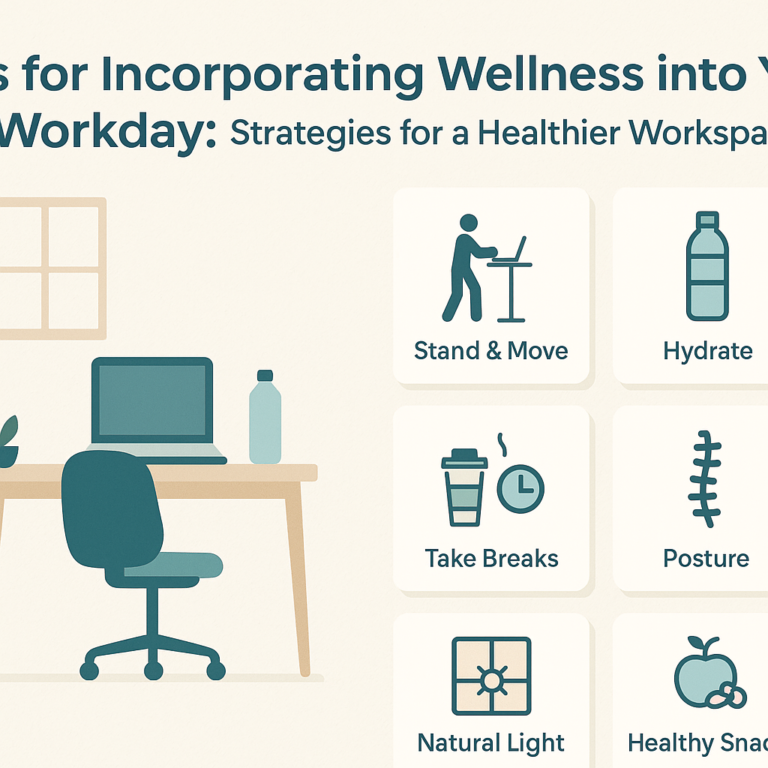
  • Tips for Incorporating Wellness into Your Workday: Strategies for a Healthier Workspace

    Tips for Incorporating Wellness into Your Workday: Strategies for a Healthier Workspace

    In the modern workplace, the importance of wellness cannot be overstated. Balancing the demands of work with personal health and well-being significantly enhances productivity and job satisfaction. Incorporating small yet impactful wellness practices into the workday can lead to improved mental clarity, physical health, and overall employee morale.

    Many individuals find it challenging to prioritise health amid busy schedules. Simple adjustments, such as taking short breaks to stretch or practising mindfulness, can make a substantial difference. Emphasising well-being at work not only benefits the individual but also creates a healthier working environment for everyone.

    Organisations can support wellness initiatives by fostering a culture that values health. Encouraging employees to participate in wellness activities or providing resources for better health choices can lead to a more engaged and vibrant workforce. By integrating wellness into daily routines, individuals contribute to their own health and the collective well-being of their colleagues.

    Creating a Foundation for Workplace Wellness

    Establishing a supportive work environment is essential for enhancing employee wellness and productivity. Specific strategies can help create an atmosphere that promotes energy levels, focus, and overall quality of life.

    Setting Up an Ergonomic Workspace

    An ergonomic workspace minimises strain and discomfort, allowing employees to concentrate better. Key elements include an adjustable chair that supports the lower back, a desk at the correct height, and properly positioned monitors.

    Recommendations for Ergonomic Setup:

    • Chair Height: Ensure feet are flat on the floor.
    • Monitor Level: The Top of the screen should be at eye level.
    • Keyboard Position: Keep elbows close to the body and hands slightly below elbow level.

    These adjustments can lead to improved focus and reduced fatigue throughout the workday.

    Incorporating Standing Desks and Active Seating

    Standing desks have gained popularity due to their ability to promote movement and reduce sedentary behaviour. They can help maintain energy levels and enhance focus.

    Benefits of Standing Desks:

    • Reduced Back Pain: Many report less discomfort after switching.
    • Enhanced Productivity: Standing while working may boost engagement.

    Active seating options, like balance balls or sit-stand chairs, can encourage movement. Employees can switch between sitting and standing to maintain energy and stave off fatigue.

    Optimising Lighting and Air Quality

    Proper lighting and air quality significantly affect workplace wellness. Natural light is preferable and can improve mood and productivity.

    Lighting Tips:

    • Use adjustable blinds to control glare.
    • Position workstations near windows when possible.

    Air quality is equally crucial. Ensure adequate ventilation and consider indoor plants to improve air quality and enhance overall well-being. A well-ventilated space contributes to better focus and satisfaction at work.

    Maintaining cleanliness and hygiene

    Along with ergonomics, lighting, and air quality, maintaining a clean workplace also plays an important role in supporting employee wellness. When a workspace is well-organized and regularly cleaned by companies like Jardak Hygiene, it creates an environment where employees can feel comfortable, focused, and motivated throughout the day. Simple practices such as keeping desks clutter-free, wiping down surfaces, and maintaining equipment can help create a healthier, more productive environment.

    Shared spaces also require consistent attention. Meeting rooms, collaborative areas, and other communal workspaces are used frequently throughout the day, so keeping them organised and hygienic helps ensure employees can use them comfortably without distractions.

    Many businesses find that a professional approach to upkeep makes a big difference in how the office feels. While staff can help with their own desks, a deeper level of care is often needed for carpets and high-traffic zones. Local services for office cleaning crawley provide the regular attention that keeps these areas in good condition. This helps prevent the build-up of dust and allergens that might affect people with sensitivities. A tidy space also reflects well on the company when clients or visitors come to the building. It is a practical way to support the health of everyone who uses the facility.

    At the same time, modern office designs often include features that enhance openness and natural light. In particular, many workplaces now incorporate glass partitions to separate work areas while still maintaining a bright and spacious feel.

    While these design elements improve the look and functionality of the office, they also require regular upkeep. In such settings, understanding the best practices for cleaning and maintaining glass partitions becomes important to ensure they remain clear, professional, and visually appealing over time.

    Ultimately, paying attention to these small maintenance details helps ensure the workspace remains bright, organised, and supportive of employee well-being.

    Physical Activity Strategies Throughout the Workday

    Incorporating physical activity into the workday can enhance productivity and well-being. Effective strategies include stretching, bodyweight exercises, active meeting formats, and taking regular fitness breaks.

    Stretching and Desk Exercises

    Stretching can reduce muscle tension caused by long periods of sitting. Simple stretches like neck rolls, shoulder shrugs, and wrist stretches can be performed at the desk. A few minutes of stretching every hour can improve circulation and flexibility.

    Desk exercises are also beneficial. These can include leg lifts while seated or seated torso twists. These movements require minimal space and can be easily integrated into the workday, ensuring regular movement without disrupting workflow.

    Recommended Stretches:

    • Neck Stretch: Tilt the head to one side, holding for 15-30 seconds.
    • Wrist Stretch: Extend one arm, pull back fingers with the opposite hand.

    Bodyweight Exercises and Resistance Bands

    Bodyweight exercises utilise one’s weight for resistance, requiring no equipment. Squats, lunges, and push-ups can be done during short breaks to strengthen muscles and burn calories.

    Resistance bands are portable and add versatility to workouts. They can be used for bicep curls, seated rows, and shoulder press exercises. By using resistance bands, individuals can perform effective strength training in the office setting.

    Bodyweight Exercise Examples:

    • Squats: Stand with feet shoulder-width apart, lower into a squat, ensuring knees do not extend past the toes.
    • Lunges: Step forward with one leg, lowering the back knee toward the floor.

    Walking Meetings and Active Commuting

    Walking meetings combine productivity with physical activity. Discussing ideas while walking can stimulate creative thinking and improve focus. These meetings can take place indoors or outside, making them adaptable to various environments.

    Active commuting, such as cycling to work, promotes a healthy lifestyle. It contributes to maintaining a healthy weight and integrates fitness into daily routines. Using fitness trackers can help monitor activity levels and ensure regular movement throughout the week.

    Active Commuting Tips:

    • Cycling: Use a bike or an electric bike for a faster commute while enjoying physical activity.
    • Walking: Park further away or get off public transport earlier to add walking time to the day.

    Incorporating Short Fitness Breaks

    Short fitness breaks during the workday can significantly boost energy levels and productivity. Taking a 5-10 minute break every hour encourages regular movement, improving overall well-being.

    During these breaks, individuals can perform quick exercises like jumping jacks or stretching. Even a brief walk around the office can refresh focus and reduce fatigue.

    Fitness Break Ideas:

    • Jumping Jacks: Effective for a quick cardio boost.
    • Wall Push-Ups: Strengthen arms and chest without needing much space.

    Implementing these strategies can create a healthier work environment and promote a more active lifestyle.

    Supporting Mental Health and Well-Being at Work

    Incorporating mental health and well-being practices into the workday enhances focus, fosters innovation, and promotes a supportive workplace culture. These strategies facilitate stress reduction, encourage social engagement, and boost cognitive function.

    Mindfulness and Meditation Practices

    Mindfulness and meditation contribute significantly to mental well-being. Practising mindfulness at work can involve simple techniques, such as focusing on breath or observing thoughts without judgment. Employees can set aside a few minutes each day to engage in guided meditation, which may increase self-awareness and decrease anxiety.

    Creating a designated quiet area for meditation fosters a tranquil atmosphere. Regular mindfulness practice releases endorphins, boosting mood and promoting a positive work environment. Additionally, these techniques can improve focus and enhance decision-making skills, benefiting both individual projects and broader organisational goals.

    Managing Stress for Improved Focus

    Effective stress management is essential for maintaining mental health at work. Identifying stressors allows individuals to implement proactive strategies tailored to their needs. Techniques include prioritising tasks, setting realistic deadlines, and using time management tools that delineate project milestones.

    Encouraging breaks throughout the day is vital for preventing burnout. Short, structured breaks can enhance cognitive function and prevent fatigue. Additionally, utilising methods such as deep breathing or brief physical activity during these intervals can aid in stress reduction and lead to improved focus.

    Promoting Social Engagement and Collaboration

    Social engagement plays a crucial role in enhancing workplace mental health. Encouraging collaboration through group brainstorming sessions or team projects fosters creativity and innovation. Building strong interpersonal connections supports emotional well-being, creating a more cohesive workforce.

    Organising regular team-building activities can further promote social bonds. These interactions allow individuals to share experiences and develop mutual support systems. Additionally, open lines of communication and feedback create a culture of trust, essential for effective collaboration and overall mental well-being.

    Supporting Preventive Health in the Workplace

    To promote wellness at work, companies can provide access to preventive health services alongside traditional wellness programs. Setting up partnerships with local providers allows employees to participate in regular health screenings and check-ins, fostering a culture of safety and care.

    In addition, organizations can make resources for substance monitoring available. For example, employees or managers can locate professional services by looking up Drug Testing Near Me, helping address potential concerns early while maintaining confidentiality and trust. These measures support a proactive approach rather than reacting after issues arise.

    Finally, integrating these preventive practices into daily work routines strengthens overall workplace well-being. Encouraging employees to use available services, participate in wellness initiatives, and maintain healthy habits contributes to a safer, more productive environment. By combining general health programs with thoughtful monitoring, businesses can help staff feel supported and valued.

    Sustaining Healthy Habits Beyond the Office

    Maintaining wellness routines outside of the workplace is essential for overall well-being. This involves creating a conducive home environment and utilising technology effectively to keep energy levels high and enhance physical and mental health.

    Translating Wellness Routines to the Home Environment

    To extend wellness practices into the home, individuals can set up dedicated spaces for exercise and relaxation. A small area for yoga and Pilates can encourage regular physical activity and mindfulness.

    Additionally, establishing a consistent daily routine reinforces healthy habits. For instance, designating specific times for workouts, meditation, or even quiet reading can enhance focus and reduce stress.

    Meal preparation should also be considered. Incorporating nutritious meals into the weekly plan enables better energy levels and supports physical well-being. Preparing meals in advance ensures access to healthy options, making it easier to resist unhealthy snacks.

    Leveraging Technology for Continued Success

    Technology can play a pivotal role in maintaining healthy habits. Fitness trackers provide valuable insights into daily activity levels and encourage movement throughout the day. This feedback helps individuals stay motivated and accountable.

    Apps focused on meditation and wellness can support mental health outside of work hours. These tools offer guided sessions that can be integrated into daily routines, promoting relaxation and mindfulness.

    Additionally, virtual workout classes allow individuals to engage in structured fitness sessions from home. Access to a variety of programmes ensures that physical activity remains enjoyable and varied, supporting long-term adherence to fitness goals.

  • Why Self-Care Should Be Your Top Priority: The Essential Key to Well-Being

    Why Self-Care Should Be Your Top Priority: The Essential Key to Well-Being

    Self-care often takes a back seat in the hustle and bustle of daily life. Many individuals prioritise work, family, and social obligations over their well-being. Making self-care a top priority is essential for maintaining both physical and mental health, enabling individuals to better cope with stress and challenges.

    Engaging in regular self-care practices not only promotes personal happiness but also enhances productivity and relationships. When individuals take the time to recharge, they are more likely to approach their responsibilities with renewed energy and focus. Neglecting self-care can lead to burnout, decreased motivation, and overall dissatisfaction.

    In today’s fast-paced world, prioritising self-care is not a luxury; it is a necessity. Individuals deserve the time and space to care for themselves, ensuring a balanced and fulfilling life. By embracing self-care, they can unlock their potential and navigate life’s demands with greater resilience.

    The Importance of Prioritising Self-Care

    Prioritising self-care is essential for fostering well-being and maintaining balance in one’s life. By focusing on self-care, individuals can enhance their mental and physical health while also paving the way for a more fulfilling existence.

    Understanding Self-Care

    Self-care can be defined as intentional actions and practices aimed at nurturing one’s well-being. It encompasses a range of activities, from physical exercise and proper nutrition to relaxation techniques and mental health support. Recognising the need for self-care is crucial in a fast-paced world where stress can easily take over.

    Many people perceive self-care as a luxury, but it is, in fact, a necessity. Engaging in regular self-care helps individuals recharge, cope better with stressors, and enhances overall life satisfaction. By understanding what self-care truly means, individuals can begin to implement it consciously into their routines. This can also include taking professional steps to address specific aesthetic concerns that impact self confidence, such as reducing facial lines or addressing hair volume loss. When looking for personalized, high quality aesthetic treatments for the face or body, it can be important to consult with specialized and reputable experts, such as Dr. Rodríguez-Feliz to ensure safe and desired results.

    Beyond medical aesthetic treatments, maintaining a well-groomed appearance is another crucial aspect of personal self-care that significantly impacts confidence. A fresh haircut or a precisely trimmed beard can dramatically alter one’s perception of themselves and how they present to the world. For those seeking expert grooming services, especially in a bustling city, finding a trusted establishment is key.

    Many individuals rely on skilled professionals to achieve their desired look, making a visit to experienced Barbers London, or elsewhere, an integral part of their routine. These services not only enhance physical appearance but also contribute to a sense of well-being and readiness to tackle daily challenges.

    Benefits of Making Well-Being Your Top Priority

    When well-being is prioritised, the resulting benefits are extensive. Firstly, establishing a self-care routine fosters resilience against daily stress and anxiety. This can lead to improved mood and emotional regulation, making it easier to navigate challenges.

    Incorporating self-care into daily life can result in enhanced productivity and creativity. When the mind and body feel replenished, individuals are better equipped to focus on tasks and engage fully with their responsibilities. Additionally, making time for self-care can significantly reduce burnout, allowing for sustained motivation over time.

    The Impact on Mental and Physical Health

    Neglecting self-care can have detrimental effects on both mental and physical health. Chronic stress, anxiety, and depression can arise when self-care is overlooked. These conditions can lead to a range of mental health issues that affect the overall quality of life.

    Physically, a lack of self-care can result in fatigue, reduced immunity, and a higher risk of chronic diseases. Regular self-care practices such as exercise, healthy eating, and proper sleep hygiene contribute to improved physical health.

    Moreover, an often-overlooked yet vital aspect of self-care is maintaining good dental hygiene. Brushing and flossing daily, along with routine dental checkups and professional cleanings from an experienced practitioner from reputable platforms like dentistryforlife.net, help prevent cavities, gum disease, and bad breath.

    These practices not only protect oral health but also enhance confidence, allowing individuals to smile, speak, and interact with others more comfortably.

    In addition to oral care, maintaining consistent personal hygiene through regular bathing plays an essential role in both physical and emotional well-being. Bathing keeps the body clean, refreshes the mind, promotes relaxation, and provides a moment of calm amid daily stress.

    Together, these simple yet meaningful habits form the foundation of balanced self-care, supporting mental clarity, physical vitality, and overall wellness.

    Key Components of an Effective Self-Care Routine

    An effective self-care routine encompasses several essential elements that contribute to overall well-being. These include mindfulness practices, dietary choices, and regular physical activity. Each component plays a distinct role in fostering a balanced and healthy lifestyle.

    Mindfulness and Meditation

    Mindfulness and meditation are crucial for mental health. They promote relaxation, reduce stress, and enhance emotional resilience. Practising mindfulness involves being present in the moment, which can help individuals manage anxieties effectively.

    Meditation, on the other hand, allows for a deeper exploration of one’s thoughts and feelings. Techniques such as focused breathing, body scans, and visualisation can be incorporated into daily routines.

    Setting aside just 10-15 minutes a day can yield significant benefits. Engaging in these practices consistently fosters a calm mind and clearer focus, ultimately enhancing one’s emotional and psychological well-being.

    The Role of Nutrition and Diet

    Nutrition is a foundational aspect of self-care. A well-balanced diet rich in fruits, vegetables, lean proteins, and whole grains can provide the necessary nutrients for optimal health. It supports both physical and mental well-being.

    Proper hydration should not be overlooked. Drinking sufficient water is vital for maintaining energy levels and improving mood.

    Planning meals can help ensure healthy choices. Creating a balanced plate with appropriate portions contributes significantly to overall health and supports energy management throughout the day.

    Exercise and Energy Management

    Regular exercise is essential for a successful self-care routine. Engaging in physical activity reduces stress, boosts mood, and increases energy levels.

    Finding enjoyable activities is key. Whether it’s brisk walking, cycling, or yoga, consistency is important. Aim for at least 150 minutes of moderate exercise each week.

    For those incorporating fitness into their self-care journey and aiming to enhance their body’s appearance, exploring alternative options like body enhancement or contouring procedures can be beneficial. Reputable sites such as nazarianplasticsurgery.com can offer more information about professional guidance and safe, effective treatments that can complement a healthy lifestyle and support confidence in one’s physical transformation.

    Long-Term Benefits of Self-Care Practices

    Self-care practices lead to numerous long-term advantages that significantly impact one’s quality of life. By actively prioritising self-care, individuals can foster happiness, enhance mental well-being, prevent chronic conditions, and build sustainable healthy habits.

    Promoting Happiness and Mental Well-Being

    Regular self-care is integral to improving happiness and mental health. Engaging in activities that bring joy, such as hobbies or relaxation, contributes to increased life satisfaction. Daily practices like mindfulness and gratitude exercises can also elevate mood.

    Research indicates that people who prioritise self-care experience lower levels of stress and anxiety. Undergoing regular self-reflection can help identify personal needs, leading to better emotional management and resilience.

    Maintaining strong social connections through self-care activities fosters a sense of belonging, further enhancing mental well-being. As individuals invest time in themselves, they nurture a more positive outlook on life.

    Preventing Chronic Conditions

    Self-care plays a crucial role in preventing chronic health conditions. By prioritising physical health through exercise and balanced nutrition, individuals can lower the risk of illnesses such as diabetes, heart disease, and obesity.

    Incorporating regular physical activity strengthens the cardiovascular system and improves overall fitness. Mindful eating promotes better digestion and helps maintain a healthy weight.

    Additionally, self-care practices like adequate sleep and stress management contribute to stronger immune function. Those who invest in their health through self-care may enjoy a longer, healthier life with fewer chronic conditions.

    Building Healthy Habits for Life

    Establishing self-care routines fosters the development of healthy habits that can last a lifetime. Consistent practices create a foundation upon which individuals can build their wellness journey.

    Taking small, manageable steps, such as setting daily exercise goals or dedicating time for mental health activities, encourages adherence. Over time, these routines become ingrained, leading to lasting changes in behaviour.

    As individuals engage in self-care, they often inspire those around them to adopt similar habits. This ripple effect not only enhances personal health but can also positively impact entire communities.

    Overcoming Barriers and Sustaining Your Self-Care Journey

    Creating an enduring self-care journey necessitates addressing common obstacles and establishing a practical routine. By focusing on developing a consistent self-care regimen and integrating hobbies alongside quality sleep, individuals can enhance their overall well-being.

    Establishing a Sustainable Self-Care Routine

    A sustainable self-care routine starts with identifying personal needs and preferences. Individuals should consider allocating specific times for activities such as exercise, relaxation, and mental health care.

    Setting realistic goals is essential. Goals can be achieved gradually, making them less overwhelming. Using a planner or mobile app to track daily habits can help maintain accountability.

    Examples of activities to incorporate include:

    • Meditation or mindfulness practices.
    • Physical activity, such as walking or yoga.
    • Time for reading or pursuing educational interests.

    Regularly evaluating and adjusting the routine ensures it remains relevant. Flexibility allows for changes in lifestyle or schedules, promoting long-term commitment to self-care.

    Incorporating Hobbies and Restful Sleep

    Incorporating hobbies into daily life can significantly enhance personal fulfilment. Engaging in enjoyable activities helps reduce stress and improve mood. Noting personal interests and dedicating regular time to them can make a positive impact.

    Additionally, prioritising restful sleep is crucial. Quality sleep assists in mental and physical recovery, aiding in emotional regulation. Individuals should adopt practices to improve sleep hygiene, such as:

    • Creating a consistent sleep schedule.
    • Limiting screen time before bedtime.
    • Creating a relaxing sleep environment.

    Combining hobbies with quality sleep practices promotes a balanced self-care strategy, ensuring sustainability and continuous personal growth.


  • How Many Steps Should You Walk a Day for Optimal Health?

    How Many Steps Should You Walk a Day for Optimal Health?

    Achieving a daily step goal is a common health recommendation. Research suggests that aiming for around 10,000 steps each day can lead to significant health benefits, including improved cardiovascular health, weight management, and enhanced mood. This target isn’t just a random number; it has become a benchmark for promoting physical activity among various age groups.

    Walking is one of the simplest forms of exercise, accessible to most people. Incorporating more steps into a daily routine can be achieved through small adjustments, such as taking the stairs instead of the lift or going for short walks during breaks. This not only boosts physical fitness but also contributes to overall well-being.

    Understanding the importance of daily movement can motivate individuals to adopt a more active lifestyle. By making walking a priority, they can enjoy the myriad benefits that come with increased physical activity, setting a foundation for a healthier future.

    The Science Behind 10,000 Steps

    Research surrounding the 10,000-step goal reveals both its historical context and its relevance to fitness and health. The recommendation serves multiple purposes, including promoting physical activity and enhancing overall health.

    Historical Origins of the 10,000-Step Recommendation

    The 10,000-step benchmark originated in Japan during the 1960s. A pedometer called “manpo-kei,” meaning “10,000 steps meter” was introduced to encourage walking. This marketing concept resonated with the public, leading to widespread acceptance.

    Over time, this figure became synonymous with a healthy lifestyle. While not scientifically derived, studies indicated health benefits linked to higher step counts. The popularity of this simple goal helped establish walking as a manageable form of exercise.

    Evaluating the 10,000 Steps Standard

    Research supports the idea that walking 10,000 steps can enhance fitness levels. However, individual fitness levels differ significantly. For some, 10,000 steps may represent a challenge, while for others, it may be too easy.

    Health benefits, including improved cardiovascular health, better mood, and weight management, have been associated with this target. Nonetheless, experts recommend that individuals focus on personal goals, adjusting the step count based on their activity baseline and health conditions.

    The Interplay Between Step Counts and Intensity

    The relationship between step counts and intensity is critical. Not all steps provide equal health benefits—brisk walking offers more advantages than slow strolling.

    Walking at a moderate pace increases heart rate and burns more calories, contributing to better fitness levels. Variability in walking pace can enhance health outcomes. Therefore, blending higher intensity into a daily walking routine while achieving a step goal can lead to significant improvements in overall fitness and well-being.

    Health Benefits of Regular Walking

    Regular walking provides numerous health advantages that contribute significantly to physical and mental well-being. Engaging in consistent walking routines can improve cardiovascular health, support weight management, enhance mental well-being, and lower the risk of chronic diseases.

    Cardiovascular and Heart Health

    Walking is a low-impact aerobic exercise that benefits cardiovascular health. It strengthens the heart, improving circulation and lowering blood pressure. Studies indicate that walking 30 minutes a day can reduce the risk of heart disease and stroke.

    The activity increases heart rate, which enhances the efficiency of the heart muscle. Regular walking can also help maintain healthy cholesterol levels. A consistent walking routine is linked to lower all-cause mortality rates, making it a crucial component of a heart-healthy lifestyle.

    Mental Health and Well-being

    Walking positively influences mental health by reducing stress and anxiety. Engaging in this simple activity releases endorphins, which improve mood and promote feelings of happiness.

    Regular walkers often experience enhanced cognitive function and a reduction in symptoms of depression. Consistent walking can lead to improved self-esteem and a better quality of life as individuals gain confidence in their physical abilities. Walking in nature, in particular, provides additional mental health benefits.

    Weight Management and Obesity Prevention

    Incorporating walking into daily routines is effective for weight management. It burns calories, helping to create a caloric deficit necessary for weight loss.

    Walking briskly for 30 minutes can burn around 150 calories, depending on an individual’s weight. This activity is particularly beneficial for individuals at risk of obesity, as it can help maintain a healthy weight. Combining walking with a balanced diet decreases the likelihood of gaining excess weight and contributes to overall wellness.

    Reduction in Chronic Disease Risk

    Regular walking is associated with a lower risk of chronic diseases, including type 2 diabetes and certain cancers. Walking improves insulin sensitivity and aids in blood sugar regulation, which is crucial for preventing diabetes.

    It also aids in maintaining healthy body weight, a significant factor in reducing the risk of chronic conditions. Studies suggest that individuals who walk regularly experience a decreased risk of developing conditions such as hypertension and high cholesterol.

    Optimising Your Walking Routine

    Establishing an effective walking routine is essential for achieving fitness goals. By setting achievable goals, incorporating different types of walking, and utilising technology, individuals can significantly enhance their walking habits.

    Setting Realistic Step Goals

    Setting realistic step goals is crucial for maintaining motivation and consistency. Individuals should consider their current activity levels and gradually increase their daily steps. A commonly recommended target is 10,000 steps a day, but beginners may aim for 5,000 steps, gradually increasing as their fitness improves.

    Utilising a step counter can provide daily tracking, making it easier to monitor progress. Consistency in gradually increasing steps helps prevent burnout and injury. It’s important to keep adjusting the goals based on individual fitness levels and life circumstances, ensuring they remain attainable yet challenging.

    Incorporating Varieties of Walking

    Incorporating different walking styles can make the routine more engaging. Options such as brisk walking, hiking, or walking with intervals can enhance the cardiovascular benefits. This variety helps combat the monotony of a sedentary lifestyle, promoting greater adherence to the routine.

    Walking in diverse environments, such as parks or urban settings, can increase enjoyment. Pairing walking with other activities, such as socialising or listening to music, may also enhance the experience. Additionally, various terrains can provide muscle diversity, which can contribute to overall fitness improvements.

    Using Technology to Enhance Walking Habits

    Technology can play a significant role in optimising walking routines. Activity trackers and mobile applications can offer insights into daily progress, motivating individuals to stay active. These tools can help users set reminders, track calories burned, and analyse walking patterns.

    Choosing suitable walking shoes is also important for injury prevention. Comfortable footwear can enhance performance and encourage longer walks. Some apps even provide tailored workout plans based on an individual’s fitness goals, ensuring a structured approach to walking. By leveraging technology, individuals gain valuable data to refine their walking practices.

    Overcoming Barriers to Walking Daily

    Walking daily can be hindered by various obstacles, but practical strategies can address these challenges. By focusing on combating sedentary habits, finding motivation, and adapting walking to different environments, individuals can successfully integrate more steps into their routines.

    Combatting a Sedentary Lifestyle

    To shift away from a sedentary lifestyle, individuals need to incorporate movement into their daily routines. Small changes, such as taking the stairs instead of the lift, can add steps without requiring significant time commitment.

    Setting reminders to stand up and stretch or walk around every hour can help break long periods of inactivity. Engaging in activities like walking meetings or using a treadmill desk provides alternatives to sitting while working.

    Creating a challenge, like aiming for a specific number of steps each day, can further motivate individuals to stay active. This can cultivate a sense of achievement, encouraging consistent walking habits.

    Finding Motivation and Accountability

    Maintaining motivation is essential for regular walking. Engaging a friend or joining a walking group can introduce social accountability. This shared experience often makes walking more enjoyable and encourages participants to stick to their goals.

    Tracking daily steps with a fitness app or pedometer can foster a sense of achievement and motivate continued effort. Setting clear goals, like increasing steps by 500 each week, may help individuals remain focused and committed.

    Visual reminders, such as inspirational quotes or photos, can inspire them during periods of low motivation. Creating a checklist for daily walking can enhance commitment as well, reinforcing a sense of discipline and routine.

    Walking in Different Settings and Circumstances

    Flexibility in walking settings can enhance opportunities for daily activity. Individuals can adapt to their environment by walking in parks, neighbourhoods, or malls. Each setting can offer a different experience, making walking less monotonous.

    For those with busy schedules, incorporating short walks during breaks or while running errands can help accumulate steps throughout the day. Additionally, utilising a treadmill desk allows for walking while working, effectively merging productivity with physical activity.

    For those with limited time, short, brisk walks of 10-15 minutes can still provide health benefits. Emphasising that every step counts can help individuals feel accomplished, regardless of time constraints or environmental factors.


  • The Health Benefits of CBD: Exploring Its Potential for Wellness

    The Health Benefits of CBD: Exploring Its Potential for Wellness

    Cannabidiol, commonly known as CBD, has garnered significant attention for its potential health benefits. Research indicates that CBD may help alleviate anxiety, reduce inflammation, and improve sleep quality. Derived from the hemp plant, this compound offers a natural alternative for those seeking relief from various ailments without the psychoactive effects associated with THC.

    As people become more health-conscious, the interest in plant-based remedies grows. CBD products are now widely available in various forms, including oils, capsules, and edibles, making them accessible to many. Consumers are increasingly turning to cannabis-derived options like CBD for their therapeutic properties and to support their overall well-being.

    With its rising popularity, it’s essential to explore the science behind CBD and understand how it interacts with the body’s endocannabinoid system. This exploration highlights not only the potential benefits but also the importance of responsible usage and informed choices regarding CBD products.

    Understanding CBD and Its Sources

    Cannabidiol (CBD) is derived from various cannabis plants, each with unique properties and regulations. Understanding the distinctions between these sources, their chemical profiles, and the legal landscape is essential for anyone exploring CBD products.

    Distinction Between Cannabis Sativa, Hemp, and Marijuana

    Cannabis is a genus that primarily contains two species: Cannabis sativa and Cannabis indica. Hemp is a variety of Cannabis sativa specifically cultivated for industrial use, such as textiles and oils. It contains high levels of CBD and minimal THC (tetrahydrocannabinol), typically below 0.2% in the UK.

    Marijuana, on the other hand, refers to Cannabis plants with higher THC content, often cultivated for psychoactive effects. The primary distinction lies in the THC concentration, influencing both legality and usage. While hemp can be legally cultivated for its CBD-rich extracts, marijuana regulations vary widely, affecting accessibility and public perception.

    Chemical Profile: CBD vs THC

    CBD and THC are two prominent cannabinoids found in cannabis plants. CBD is non-psychoactive, offering potential therapeutic benefits such as pain relief and anxiety reduction. It does not induce the “high” associated with THC.

    THC is the psychoactive component, responsible for the euphoric effects that users may experience. Understanding this difference is critical for consumers. Many CBD products market themselves as therapeutic options without the high, making them appealing to a broader audience who seek relief without intoxication.

    Legal Status and Regulation: 2018 Farm Bill and FDA Oversight

    The legal landscape for CBD changed significantly with the passage of the 2018 Farm Bill in the USA. This legislation legalized the cultivation of hemp with less than 0.3% THC, enabling access to CBD products derived from hemp on a federal level.

    In contrast, the Food and Drug Administration (FDA) remains cautious, regulating CBD products and ensuring safety and efficacy. The FDA has not approved most CBD products, although they have approved Epidiolex, a CBD prescription medication for certain epilepsy conditions. This regulatory framework impacts consumer choices and market availability, reinforcing the importance of understanding the legal environment surrounding CBD.

    Potential Health Benefits and Therapeutic Uses of CBD

    CBD has garnered attention for its potential applications in various health areas, including mental health, pain management, and neurological conditions. The following sections explore specific therapeutic uses and the growing body of research surrounding these benefits.

    Managing Anxiety and Mood Disorders

    Research indicates that CBD may help alleviate symptoms of anxiety and mood disorders, such as generalised anxiety disorder, social anxiety disorder, and depression. Studies have demonstrated that CBD interacts with the body’s endocannabinoid system, potentially influencing serotonin receptors, which play a role in mood regulation.

    In clinical settings, individuals using CBD reported reduced anxiety levels and improved mood stability. Notably, a study involving social anxiety disorder indicated that CBD could significantly decrease anxiety during public speaking tasks. These findings suggest that incorporating CBD into therapeutic strategies may provide a supplementary approach to managing anxiety and mood-related conditions.

    Addressing Chronic Pain and Inflammation

    CBD is often highlighted for its anti-inflammatory properties, which can be beneficial in managing chronic pain conditions. It has been studied in relation to various pain types, including neuropathic pain, arthritis, and fibromyalgia. CBD’s ability to interact with receptors involved in pain perception may help reduce perceptions of pain.

    Clinical trials have shown that CBD oil can improve pain management without the side effects commonly associated with traditional pharmaceuticals. This versatility positions CBD as a potential alternative or complement to existing pain management therapies. Continued research is necessary to determine optimal dosages and long-term effects.

    CBD’s Role in Epilepsy and Seizure Disorders

    CBD has gained FDA approval for the treatment of specific epilepsy conditions, including Lennox-Gastaut syndrome and Dravet syndrome, through the formulation Epidiolex. This approval was based on rigorous clinical trials demonstrating that CBD significantly reduced seizure frequency in these populations.

    The exact mechanism of action in seizure reduction is not fully understood, but CBD’s effect on neurotransmitter release and neuronal excitability may play a role. This development marks a significant milestone for patients with limited treatment options, showcasing CBD’s potential as an effective therapeutic agent for childhood epilepsy and difficult-to-treat seizure disorders.

    Investigational Use in Neurodegenerative Disorders

    Research into CBD’s effects on neurodegenerative disorders, such as Alzheimer’s disease, Parkinson’s disease, and Huntington’s disease, is ongoing. Preliminary studies suggest that CBD may exert neuroprotective effects, reducing inflammation and oxidative stress in neural tissues.

    Early findings indicate that CBD may improve symptoms related to Parkinson’s disease, including tremors and motor fluctuations. Further investigation is essential to establish dosage efficacy, safety, and specific mechanisms. As research advances, CBD holds promise for improving the quality of life for individuals affected by these conditions.

    Safety Profile and Considerations for CBD Use

    When considering CBD use, understanding its safety profile and potential risks is crucial. Users should be informed about side effects, drug interactions, and the importance of quality and dosage in CBD products.

    Understanding Side Effects and Adverse Effects

    CBD is generally well-tolerated, but some individuals may experience side effects. Common side effects include:

    • Fatigue
    • Diarrhea
    • Changes in appetite
    • Weight fluctuations

    Adverse effects, although rare, can occur. These may involve liver enzyme alterations and potential allergic reactions. Monitoring for side effects is essential, especially for those with existing health conditions or those taking multiple medications. Consulting a healthcare professional before starting CBD can help identify potential risks based on individual health profiles.

    Drug Interactions and Precautions

    CBD can interact with various medications, particularly those metabolised by the liver enzymes, such as cytochrome P450. This interaction may either enhance or inhibit the effects of certain drugs, including:

    • Antidepressants
    • Blood thinners
    • Antiseizure medications

    Patients should inform their healthcare providers about their CBD use. This ensures comprehensive review and management of any potential drug interactions. Taking a cautious approach, especially for individuals on a complex medication regimen, is advisable.

    Importance of Quality and Dosage in CBD Products

    The efficacy and safety of CBD products heavily depend on their quality. Selecting high-quality CBD oils, tinctures, capsules, or gummies is essential. Consumers should consider products that:

    • Are third-party tested
    • Provide clear lab results
    • Disclose ingredient sourcing

    Dosage plays a pivotal role in achieving desired outcomes while minimising risks. Starting with a low dose and gradually increasing it, under guidance from a healthcare professional, allows for proper assessment of tolerability and effects.


  • The Benefits of Living With Pets

    The Benefits of Living With Pets

    We all know that pets can bring so much joy and unconditional love into our lives. But do you know what else they can do for us? In this blog article, we’ll explore the many benefits of living with pets, from emotional to physical health, and even a few unexpected ones!

    Pets Provide Companionship and Unconditional Love

    Pets provide companionship and unconditional love. Both of which are beneficial to our mental and physical health.

    Also, pets provide us with emotional support and a sense of connection. They can help us through difficult times and provide us with unconditional love. Which is why it is essential to provide this love back in turn with good food and toys from such places as petshack, for instance, so they know that they are cared for just like they care for us.

    Pets Can Help Reduce Stress and Anxiety

    Pets can help reduce stress and anxiety by providing companionship, love, and attention. Additionally, pets can provide a sense of stability and routine in our lives. This can be helpful when we’re feeling anxious or overwhelmed. For example, if you are a dog lover, owning a puppy can offer comfort and emotional support. You can welcome puppies into your homes, such as those from www.schwartzfamilyweimaraners.com, and find that playful and affectionate nature of these young ones reduces your stress and brings a sense of calm and joy into your daily life. Moreover, the responsibility of caring for a pet can give a sense of purpose and focus, which can be therapeutic and help you feel grounded.

    Pets Can Improve Your Mood and Mental Health

    It’s no secret that pets can make us feel good. But did you know that they can also improve our mood and mental health?

    Pets can help to reduce stress, anxiety, and loneliness. They can also improve our self-esteem and sense of well-being. And research has shown that interacting with animals can decrease levels of the stress hormone cortisol in our bodies.

    So if you’re feeling down or stressed out, consider spending some time with a furry friend. They just might be the best medicine for what ails you!

    Pets Can Provide Physical Health Benefits

    There is evidence to suggest that owning a pet can improve your cardiovascular health. One study found that dog owners had lower blood pressure and cholesterol levels than those who didn’t own dogs. Other research has shown that pet ownership can decrease the risk of heart disease and stroke.

    Pets can also provide physical activity and help people to maintain a healthy weight. Walking or playing with a pet is a great way to get some exercise, and it’s often more enjoyable than working out alone. Pets can also help encourage their owners to eat healthy foods and stay hydrated.
    Having playful pets can be a boon to the owners. However, they might mess up around the house causing damage to it. This may include scratching, leaving paw prints on the walls – to name a few.

    In such a case, it might be helpful to turn to austin painting services or similar such facilities to get durable wall paints resistant to the wear and tear from dogs and cats. Additionally, it can also be aesthetically pleasing to both pets and owners, thereby providing a comfortable space for them to enjoy.

    Pets Can Help You Meet New People and Make New Friends

    Pets can help you meet new people and make new friends in many ways. First, they provide an instant conversation starter. People are naturally drawn to animals, so having a pet with you when you’re out and about can help you strike up a conversation with someone new.

    Second, pets can help you connect with other pet owners. There are all sorts of groups and activities for pet lovers. So owning a pet can help you connect with like-minded people.

    Finally, pets can provide companionship and emotional support. This can be especially helpful if you’re going through a tough time or feeling lonely.

    Pets Can Teach Responsibility and Boost Self-esteem

    Pets can teach responsibility in several ways. For example, feeding and walking a dog requires a certain level of commitment and care.

    Cats also need to be fed and have their litter boxes cleaned regularly. These tasks can help children learn to be responsible for taking care of another living creature.

    Pets Can Encourage You To Get Outside and Be More Active

    Pets can provide us with much-needed companionship, but they can also encourage us to get outside and be more active. Walking or playing with a pet, like an f2 bernedoodle, for example, can help increase your fitness level and reduce stress levels. This breed, known for its playful energy and loyalty, makes daily walks or park visits a joy. Similarly, breeds like Golden Retrievers and Border Collies are great for outdoor activities and keeping their owners on their toes. Having an active pet by your side is a fun way to stay motivated and improve your overall well-being.

    Pets Can Help You Recover From Illness or Injury Faster

    Research has shown that having a pet can speed up our recovery time and help us to get back on our feet more quickly. Pets provide us with unconditional love and support, which can be incredibly helpful when we are going through a tough time.

    Studies have shown that people who have pets recover from surgery faster than those who do not. One study even found that patients who had a pet visit them in the hospital recovered faster than those who didn’t!

    So if you are feeling under the weather or are recovering from an injury, consider spending some quality time with your furry friend. They just might be the best medicine you could ask for!

    Pets Can Provide Comfort During Difficult Times or Periods of Grief and Loss

    The death of a loved one is never easy, and the grieving process can be long and difficult. Many people find comfort in the company of their pets during this tough time. Pets can be a great help when we’re feeling lost or alone.

    If you’re struggling after the loss of a loved one, consider spending more time with your pet. They may not be able to say the perfect thing to make you feel better, but their love and support can make all the difference.

  • The Most Common Dental Health Problems and How to Fix Them

    The Most Common Dental Health Problems and How to Fix Them

    We’ve all heard the saying that “you are what you eat.” But in all honesty, most of us don’t put a lot of thought into our food choices. We grab whatever’s convenient, whether it be a bag of chips or a sandwich. But the consequences of poor food choices aren’t just physical-they can impact our health, moods, and even our self-esteem. That’s why it’s important to take proper care of our teeth-they’re the first thing people notice when they look at us. And with so many bad options out there, it’s no wonder that many folks are worried about their smile and because of this, their health is suffering.

    Everyone wants to have a good smile, which is why you should make it a priority to take care of your teeth. A properly maintained set of teeth can make you look better and reduce the risk of serious health issues such as heart disease, stroke, diabetes, and complications during pregnancy.

    So, if you’re worried about the state of your teeth, you should know some of the most common dental health problems and how to fix them.

    Let’s learn more.

    Common Dental Problems

    • Tooth Decay

    Tooth decay, also known as cavities, is a type of dental disease that primarily affects the sanctity of our teeth. It is caused by the buildup of plaque, which is an accumulation of bacteria that, if not removed, will ruin the tooth’s enamel, making it weak and susceptible to decay. There are times when tooth decay can quietly progress without any obvious symptoms, and then suddenly, you are hit with severe and unbearable tooth pain. If you ever find yourself in this situation, experiencing persistent and intense tooth pain, it’s crucial to seek help from an emergency dentist right away. Tooth pain can have a negative impact on your overall well-being, sometimes leading to headaches and even fever. Thus, addressing it promptly is essential to prevent any further complications.

    • Gum Disease

    Gum disease occurs when there is an excessive amount of plaque and tartar around the teeth and gum areas. In extreme cases, gum disease can spread to other parts of the body, causing many problems, particularly tooth loss, if it is not treated early enough. So if you have any concerns about your gum health you should seek out a glendale periodontics or another periodontal dentist local to you.

    • Bad Breath

    Many people don’t realize it, but bad breath is a common dental problem. But is it really as bad as what people say? Well, yes and no. The cause of bad breath can be from many things, such as something you eat or drink, like garlic and onions. While you can use special mouthwashes for bad breath, in most cases, it is temporary and will go away on its own.

    • Sensitive Teeth

    Tooth sensitivity is caused by dental issues like tooth decay, gum recession, exposed roots, and cracked teeth. They can also result from the use of certain medications, such as antibiotics, nitrates, antihistamines, or antidepressants.

    • Cracked Teeth

    Cracked teeth can be caused by a lot of things, including sports injuries and accidents, but also by habits such as grinding or clenching your teeth. Other issues that can cause a broken tooth include cavities, gum disease, and infection. If you have any cracked or chipped teeth, it’s important not to leave them untreated, as it can increase the chance of tooth decay and infection. Instead, make sure to visit a Northview Dental Clinic (or elsewhere) for evaluation and treatment. Depending on the severity of your situation, your dentist may recommend treatments such as dental bonding to repair any minor damage or a dental crown to restore strength to more critically damaged teeth.

    • Receding Gums

    If you have receding gums, you may experience painful bleeding gums, sore or tender gums, or gums that are puffy or red. Receding gums are caused by several different factors, though poor dental hygiene and genetics are two of the main causes. Gum disease is preventable, though, so it’s important to take the necessary steps to reduce your risk.

    • Root Infection

    Root infection occurs when bacteria in the mouth gets inside the root tip, causing the gum to swell and the bone to pull away from the tooth. Once a tooth is infected, tooth pain and sensitivity are common symptoms that you may experience.

    Tips for Having a Healthy Dental Routine

    • Brush your teeth at least 2 times a day

    Brushing your teeth twice a day is a proven way of warding off gum disease and other subsequent dental issues.

    • Use dental floss

    Dental floss is a great and inexpensive way to prevent dental problems. All you need to do is simply wrap the floss around your thumbs and forefingers, and use a gentle rocking motion to get between your teeth and clean those hard to reach areas.

    • Use mouthwash

    Like dental floss, mouthwash can also help clean your mouth, but did you know that you can also use it to help kill any germs that may be lingering? To benefit, you should rinse your mouth out with your desired wash at least twice a day.

    • Visit your dentist

    Did you know that taking care of your teeth is important for your overall health? This holds true for both adults and kids, but it is especially important for children as they are more susceptible to tooth decay and cavities. However, this is only the case if you or your kids are practicing healthy dental habits, like regular brushing, flossing and visiting your dentist. While many people only need to go once a year, others may be required to make an appointment twice a year to help keep an eye on any problems that they might have, or are at danger of having, due to poor oral hygiene. In a similar manner, kid’s dentistry is also important, and they may be required to visit the dentist bi-annually for preventative dental measures or to monitor their developing teeth and address any potential issues that could arise from poor oral hygiene.

    Taking good care of your teeth extends far beyond just brushing and flossing regularly. Regular dental exams and preventative care are key to maintaining the health of your mouth. But, when things do go wrong, your dentist will be the only one to get you healthy once again.