Beautiful Plants For Your Interior
Beautiful Plants For Your Interior

Creating a healthier home environment is essential for well-being and comfort. It involves simple changes that improve air quality, reduce toxins, and promote cleanliness. By focusing on practical steps, anyone can enhance their living space to support better health.
Six effective ways to create a healthier home environment include improving ventilation, reducing clutter, choosing non-toxic materials, maintaining humidity levels, regular cleaning, and incorporating plants. These strategies directly address common issues that affect indoor air and overall safety.
Making these adjustments doesn’t require major renovations but thoughtful choices and consistent habits. This approach helps protect residents from pollutants and allergens, creating a space that supports healthier living every day.
Improving indoor air quality requires strategic changes to how air circulates and what fills the home environment. It often involves managing airflow, filtering impurities, and minimising sources of pollution.
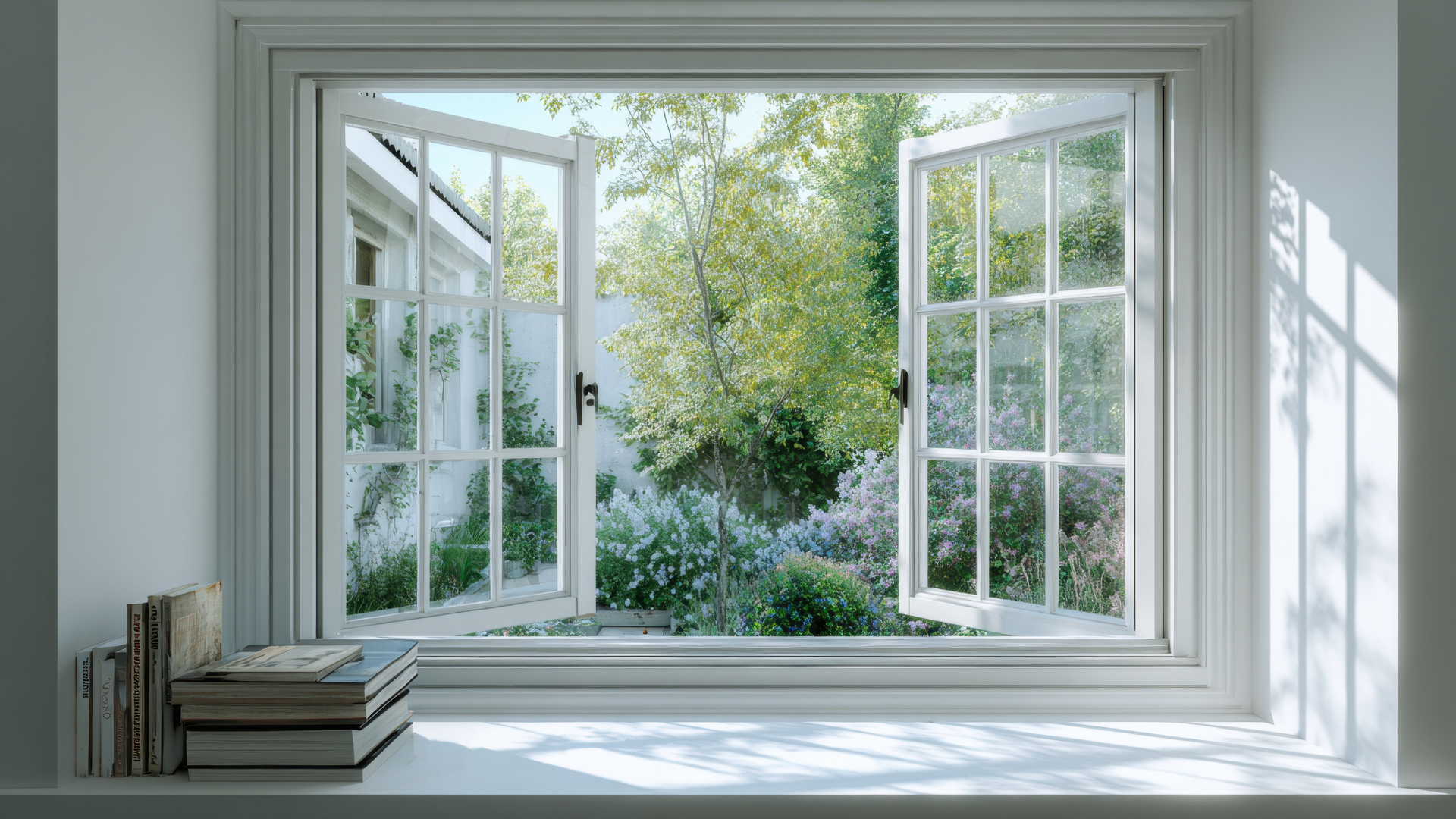
Proper ventilation is essential to reduce indoor air pollutants. Opening windows regularly encourages fresh air to replace stale indoor air, lowering concentrations of carbon dioxide and moisture.
Mechanical ventilation systems can also help, especially in airtight buildings. Using extractor fans in kitchens and bathrooms removes excess humidity and odours. Balanced ventilation with heat recovery ensures efficient airflow without significant heat loss.
Ensuring vents and air intakes are clean and unblocked improves air movement. Avoiding indoor smoking and limiting the use of aerosol sprays also supports better fresh air quality.
Air purifiers equipped with HEPA filters remove fine particles such as dust, pollen, and pet dander. Some advanced models also reduce volatile organic compounds (VOCs) and odours, improving overall home health.
Selecting air purifiers suitable for the room size is critical to their effectiveness. Regular filter replacement maintains performance and prevents pollutants from cycling back into the air.
Certain houseplants, including spider plants and peace lilies, can absorb small amounts of airborne toxins. While not a substitute for mechanical filtration, they contribute to cleaner air and add natural décor.
Minimising sources of indoor pollution starts with the choice of household products. Fragrance-free, low-VOC paints and cleaning agents emit fewer harmful chemicals.
Regular cleaning reduces dust accumulation that carries allergens and microbes. Avoiding carpet in high-traffic areas and using washable rugs helps limit dust traps.
Controlling humidity between 30-50% inhibits mould growth, a common indoor allergen. Dehumidifiers may be useful in damp environments. Keeping combustion appliances well-maintained also prevents carbon monoxide buildup.
Maintaining a healthy home involves consistent care, thoughtful organisation, and selecting safe cleaning solutions. These elements reduce allergens, support mental wellbeing, and avoid exposure to harmful chemicals.
Regular cleaning minimises dust, mould, and bacteria build-up that can affect respiratory health. Establishing a weekly schedule for dusting, vacuuming, and wiping surfaces keeps allergens at bay. Using natural materials like microfiber cloths enhances dust removal without chemicals.
For floors and surfaces, a solution of white vinegar and water effectively disinfects and deodorises. Adding a few drops of essential oils, such as tea tree or lavender, improves the scent and adds antibacterial effects. This routine improves air quality and reduces exposure to synthetic chemicals.
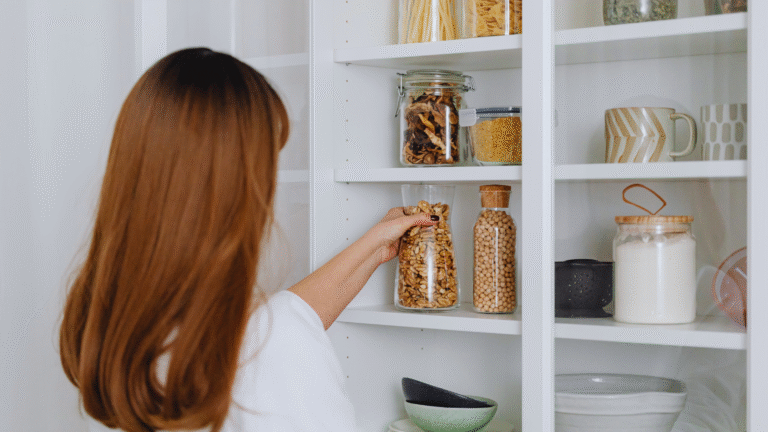
Clutter increases stress by creating visual chaos and making it harder to clean effectively. Organising spaces by removing unnecessary items helps create a calmer environment. Simple storage solutions, like labelled boxes or shelves, aid in maintaining order.
Decluttering also promotes a clearer mind and improves focus. It contributes to better sleep and reduces anxiety by making the home feel more spacious and manageable. Keeping surfaces tidy supports cleaning efforts and fosters a healthier living space.
When indoor storage options are not enough, moving seasonal items or larger belongings out of the house is a practical next step. Keeping items like holiday decorations and extra furniture at home often takes up valuable living space. Using a professionally managed storage facility keeps these items secure and accessible while keeping the home clear. This approach allows families to reclaim their living areas and maintain a tidy environment.
Many conventional cleaning products contain harsh chemicals that irritate the skin and the respiratory system. Switching to non-toxic alternatives mitigates these health risks. Ingredients like baking soda neutralise odours and break down grease without toxic residue.
Natural products made from vinegar, baking soda, and essential oils provide effective, gentle cleaning. These are generally biodegradable and safer for children and pets. When purchasing, checking labels for harmful substances such as ammonia, chlorine, and phthalates is essential to avoid unnecessary chemical exposure.
Natural light plays a vital role in creating a healthy home by improving mood, energy, and overall well-being. Designing spaces that allow sunlight in and foster mental health can significantly enhance indoor living environments.
Maximising natural light involves practical steps such as installing larger windows or using glass doors to pull more daylight into rooms. Sheer curtains or blinds that can be fully opened encourage sunlight while maintaining privacy.
Reflective surfaces like light-coloured walls, mirrors, and glossy floors can help distribute natural light, reducing the need for artificial lighting during the day. Positioning furniture to avoid blocking windows allows light to reach deeper inside.
Regular sun exposure indoors supports circadian rhythms, improving sleep patterns and reducing fatigue. It also boosts vitamin D levels, which benefits physical health and immune function.
Creating quiet zones or dedicated relaxation areas with ample natural light can help reduce stress and improve concentration. Houseplants placed near windows improve air quality and add a calming, natural aesthetic.
She uses soft, adjustable lighting supplemented by daylight for spaces intended for reading or meditation. Functional layouts that avoid clutter promote a sense of order, positively affecting mental well-being.
Incorporating natural elements and light not only supports mental health but also strengthens the link between the home environment and its occupants’ emotional state.
Creating consistent daily patterns supports physical and mental health within the home. Implementing clear sleep schedules, prioritising balanced nutrition, and encouraging regular movement can transform well-being.
A consistent bedtime helps regulate the body’s internal clock, promoting better sleep quality. Establishing a regular sleep schedule reduces stress and improves mental health over time.
Good sleep hygiene includes avoiding screens at least an hour before bed. The bedroom environment should be cool, dark, and quiet. Limiting caffeine and heavy meals in the evening also contributes to restful sleep.
Tracking sleep patterns can reveal habits that disrupt rest. Adults generally need 7-9 hours, so setting clear wake-up and sleep times each day ensures adequate rest for all household members.
Whole grains contain fibre and essential nutrients that stabilise blood sugar and support brain function. Including rice, oats, barley, or whole wheat products regularly encourages sustained energy levels.
Meals should balance whole grains with vegetables, lean proteins, and healthy fats. Minimising processed foods helps reduce intake of excess sugars and unhealthy fats, which can impact mental and physical health.
Planning meals in advance prevents last-minute unhealthy choices. Preparing whole-grain breakfast options like porridge or whole-wheat toast delivers essential nutrients from the start of the day.
Encouraging moderate daily exercise supports cardiovascular health, muscle strength, and mental clarity. Walking, stretching, or simple home workouts increase overall activity without needing special equipment.
Incorporating family activities such as garden games or group walks creates routine physical engagement. Frequent breaks from sitting and using standing desks or active sitting options improve posture and reduce fatigue.
Children benefit from limited screen time and scheduled play. Adults should aim for at least 150 minutes of moderate exercise weekly to maintain good health.