Beautiful Plants For Your Interior
Beautiful Plants For Your Interior

Many people want to eat healthier, but worry that it means drastic changes or complicated recipes. Simple swaps in everyday foods can make a significant difference without feeling overwhelming or restrictive. These easy changes help improve nutrition and support better long-term habits.
Swapping processed snacks for whole foods or choosing water over sugary drinks are practical examples anyone can try. By focusing on small adjustments, healthier eating becomes more manageable and sustainable for a busy lifestyle.
Small adjustments in everyday meals can improve nutrition significantly. By focusing on the quality of carbohydrates, fats, proteins, and spreads, a person can enhance nutrient intake while managing calorie consumption.
Choosing whole-grain alternatives instead of white versions adds fibre, vitamins, and minerals to the diet. Whole wheat bread, brown rice, oats, and quinoa retain the bran and germ, which contain essential nutrients often lost in refined grains.
Whole grains provide more sustained energy due to slower digestion. They help regulate blood sugar and support digestive health with higher fibre content. For example, swapping white rice for brown rice increases magnesium and B vitamins.
People should look for labels stating “100% whole grain” or “whole wheat,” as some products may be mixed with refined grains. This swap consistently promotes better heart health and improved satiety without drastic changes to meal preparation.
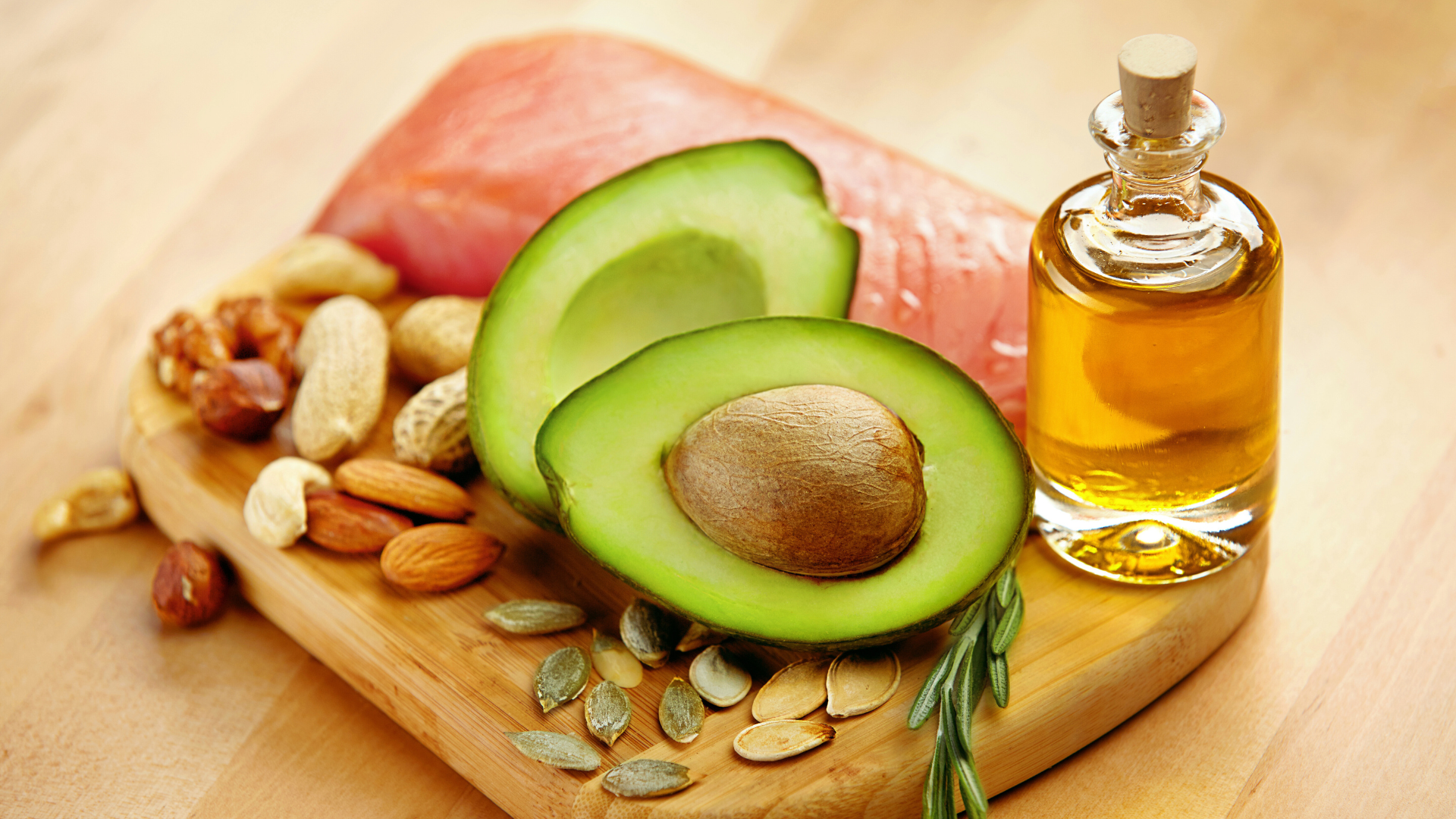
Replacing saturated and trans fats with unsaturated fats reduces the risk of heart disease. Healthy fats include olive oil, avocado, nuts, and seeds, which are rich in vitamin E and essential fatty acids.
Butter and lard are common sources of saturated fats, while many processed foods contain trans fats. Using olive or canola oil in cooking lowers unhealthy fat intake and boosts antioxidants.
Nuts and seeds provide plant-based protein and fibre alongside healthy fats. Incorporating these in meals or snacks can improve overall nutrition. Reading ingredient lists helps avoid hidden unhealthy fats in packaged products.
Lean proteins supply necessary amino acids with less saturated fat, supporting muscle maintenance and metabolic health. Good options include skinless poultry, fish, legumes, tofu, and low-fat dairy.
Red meats should be consumed in moderation or replaced with plant proteins to reduce saturated fat intake. Fish, especially oily types like salmon and mackerel, provide omega-3 fatty acids, which promote cardiovascular health.
Legumes offer fibre and protein, making them excellent meat alternatives. Selecting lean cuts and removing visible fat from meat further improves the nutrient profile of meals.
Changing spreads and toppings from high-fat, high-sugar varieties to nutrient-dense options improves meal quality without losing flavour. Instead of butter or sugary jams, options like nut butters, hummus, or avocado provide beneficial fats and nutrients.
Nut butters are rich in protein, healthy fats, and vitamin E, supporting skin and immune health. Hummus adds fibre and plant protein from chickpeas.
Choosing fresh herbs, low-fat cheese, or sliced vegetables as toppings increases vitamin and mineral intake. These swaps enhance meals while reducing empty calories from sugars and saturated fats.
Choosing the right carbohydrates can improve nutrient intake and support stable energy levels. Substituting refined grains with whole grain options increases fibre, vitamins, and minerals in daily meals.
Brown rice retains its bran and germ layers, providing more fibre and essential nutrients like magnesium and B vitamins. This makes it a better option for maintaining digestive health and supporting metabolism.
In contrast, white rice is milled to remove these layers, resulting in lower fibre and nutrient content. Brown rice also has a lower glycaemic index, which helps prevent rapid blood sugar spikes.
Cooking brown rice requires slightly more time and water, but its benefits for sustained energy and fullness outweigh these minor inconveniences.
Whole-wheat pasta and bread incorporate the entire grain kernel, ensuring higher fibre and protein content than their refined counterparts. This supports better digestion and longer-lasting satiety.
The flavour of whole-wheat products is nuttier and denser, which some might initially find different. Gradually replacing white pasta and bread with whole-wheat versions can ease this transition.
Whole-wheat choices provide more vitamins such as folate and iron, which are often reduced in refined grains. Checking labels can confirm 100% whole wheat ingredients for maximum benefit.
Replacing white flour with whole grain alternatives like whole wheat, spelt, or rye flour adds more nutrients and fibre to baked goods. These flours retain bran and germ components essential for nutrition.
Whole wheat flour contains more protein and minerals, but may result in denser textures. Blending whole-grain flours with white flour can improve texture while increasing nutritional value.
Using alternative flours supports blood sugar regulation better than highly refined white flour. It is important to adjust recipes slightly as different flours absorb liquids differently and affect baking outcomes.
Nut-based spreads and whole nuts can enhance meals with protein, healthy fats, and vitamins like vitamin E. Choosing the right varieties can also provide antioxidants that support overall health.
Peanut butter is a convenient source of plant-based protein, typically offering about 25 grams per 100 grams. It supports muscle repair and maintenance when included in balanced diets.
Natural or unsweetened peanut butter options minimise added sugars and unhealthy fats. Those with allergies or preferences can explore almond or cashew butters, which also supply protein and vitamin E.
When used in sandwiches or smoothies, peanut butter adds texture and flavour while contributing to satiety due to its fat and protein content. Portion control is important, as it is calorie-dense.
Whole nuts such as walnuts, almonds, and pistachios make nutritious snacks rich in healthy fats and vitamin E. A small handful (about 30 grams) is ideal for controlling calorie intake while gaining antioxidants.
Adding chopped nuts to salads, yoghurt, or porridge boosts texture and nutrient content. Toasting nuts can enhance flavour, but should be done without added oils to maintain health benefits.
Nuts benefit heart health through unsaturated fats and can support cognitive function due to their antioxidant content. They are portable and convenient for on-the-go snacking.
Some spreads combine nuts with other nutrient-rich ingredients like seeds, herbs, or even vegetables. These blends can increase fibre, antioxidants, and micronutrients beyond what standard nut butters offer.
Look for spreads fortified with omega-3 fatty acids or added vitamin E to boost antioxidant intake. Ingredients such as flaxseeds or chia seeds often appear in these mixes.
Choosing spreads with no hydrogenated oils or excessive salt preserves their nutritional value. Reading labels for sugar content is crucial to avoid hidden calories and maintain health goals.
Making simple adjustments in cooking, drinks, and flavourings can improve nutrient intake and reduce unhealthy fats. Small changes in ingredients and seasonings enhance meals without sacrificing taste or effort.
Replacing butter with healthier fats like olive oil or avocado oil lowers saturated fat intake. These oils provide healthy fats and antioxidants, improving heart health.
For baking, mashed bananas or applesauce can substitute butter or oil, reducing calories and adding natural sweetness. Using wholegrain flours instead of refined flour increases fibre, aiding digestion.
Cooking methods also matter. Baking or steaming rather than frying limits unnecessary fat consumption. Swaps like Greek yoghurt in place of sour cream add protein and reduce fat in recipes.
Choosing water, herbal teas, or infused water instead of sugary drinks limits empty calories. Replacing sugary sodas with sparkling water and a splash of juice provides flavour without excess sugar.
Swapping whole milk for plant-based alternatives like almond or oat milk can reduce saturated fat. Green and black teas offer antioxidants, supporting overall health.
Limiting alcohol and choosing light versions helps control calorie intake and reduces harmful fat accumulation.
Using herbs and spices instead of salt controls sodium intake and adds antioxidants. Fresh basil, rosemary, turmeric, or chilli enhance meals naturally.
Lemon juice or vinegar can brighten flavour without added fat or salt. Swapping creamy dressings with vinaigrettes made from olive oil incorporates healthy fats.
Avoiding pre-made sauces high in sugar and saturated fats ensures healthier meals. Simple homemade dressings or rubs are effective food swaps to enhance taste while maintaining nutritional benefits.