Beautiful Plants For Your Interior
Beautiful Plants For Your Interior

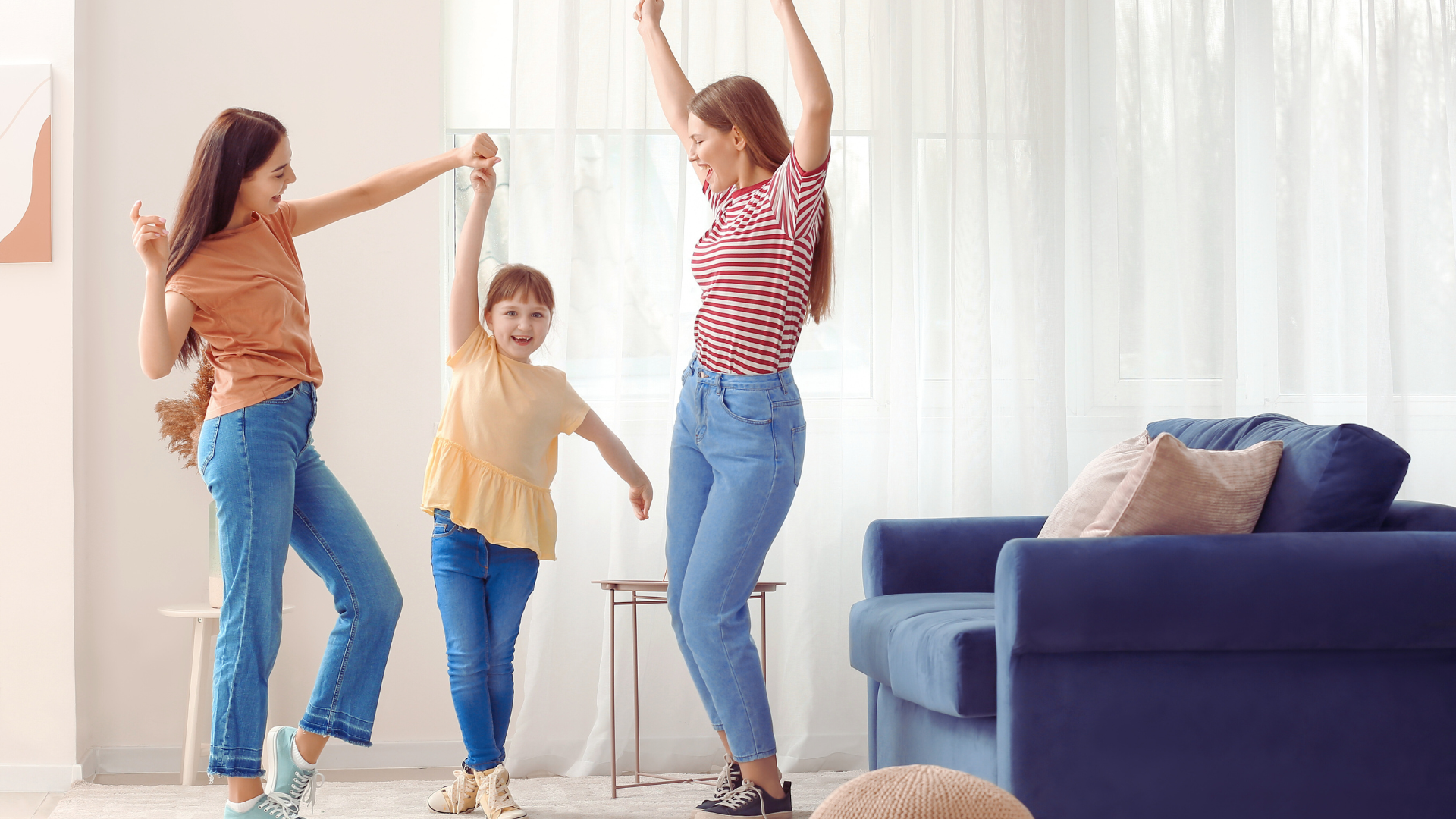
Many people struggle with staying active because they view movement as a chore. This mindset often leads to feelings of resistance and guilt. Finding movement that’s enjoyable rather than forced means choosing activities that suit personal preferences and lifestyle, making exercise feel natural instead of a burden.
When movement is enjoyable, it becomes easier to maintain consistently over time. People tend to stick with activities that feel rewarding or fun, whether that’s dancing, walking in nature, or playing a sport. The key is recognising what motivates and excites each individual, rather than following generic routines.
Finding pleasure in movement requires shifting perspective from duty to choice. Recognising how mindset and barriers influence physical activity helps foster a more positive relationship with movement.
Joyful movement involves engaging in activities that feel natural and pleasurable rather than compulsory. Instead of viewing exercise as a strict regimen, it centres on activities that elicit feelings of satisfaction and well-being.
Forced exercise often leads to resentment, reduced motivation, and physical strain. In contrast, joyful movement might include dancing, walking in nature, or practising yoga—activities selected for enjoyment rather than calorie burn. This difference affects not just adherence but overall mental health.
The focus on feeling good while moving encourages consistency and long-term engagement. Joyful movement creates a positive feedback loop that promotes healthier habits without pressure.
A growth-oriented mindset allows individuals to see movement as an opportunity rather than a chore. Understanding that physical activity can improve mood, reduce stress, and increase energy supports a more positive attitude.
Mindset influences how challenges are perceived. Viewing movement as a way to honour the body’s capabilities creates motivation rooted in self-care instead of punishment.
Mindfulness during movement enhances awareness of bodily sensations and emotions. This connection strengthens enjoyment and decreases the focus on external pressures like weight loss or performance metrics.
Many people experience barriers that transform enjoyable movement into obligation. Time constraints, past negative experiences, and social pressures often diminish motivation.
Physical discomfort or lack of confidence can create resistance to starting or continuing an activity. Additionally, rigid exercise goals can make movement feel like a task rather than a pleasure.
Addressing these barriers involves flexibility in choosing activities and expectations. Prioritising movement that fits individual needs and preferences supports a sustainable and fulfilling approach to physical activity.
| Barrier | Impact | Possible Solution |
| Time constraints | Reduced activity frequency | Short sessions, incorporation into daily routine |
| Past negative experience | Aversion to exercise | Try new activities, gradual introduction |
| Physical discomfort | Avoidance due to pain or fatigue | Low-impact options, professional guidance |
Finding movement that feels enjoyable begins with understanding individual tastes and daily realities. It requires prioritising what aligns with personal values and physical enjoyment while considering practical adjustments and daily habits.
People are more likely to stick with a movement when it connects with their core values or passions. For instance, someone who values nature may prefer hiking or outdoor yoga. Others who enjoy creativity might choose dance or martial arts.
Focusing on interests helps avoid forcing activities that feel like chores. Creating a list of possible activities tied to what matters most can clarify which movement styles resonate. This method supports self-love by respecting personal preferences and emotional satisfaction.
Movement must fit into daily routines realistically to become sustainable. If time is limited, short sessions like 10-15 minutes of stretching or a brisk walk might work better than lengthy workouts.
Adapting movement also means considering energy levels and responsibilities. For example, someone caring for children might find low-impact or home-based exercises more suitable. Flexible schedules improve consistency without pressure.
It is important to distinguish between discomfort from effort and actual pain or displeasure. Movement that feels good usually leaves a sense of feeling good mentally and physically, such as increased energy or mood improvement.
Acknowledging positive signs like reduced stress or improved sleep also helps identify preferred styles. Listening to the body encourages a healthy relationship with movement and reinforces self-love.
Mixing activities prevents boredom and works different muscle groups, but too much variety may reduce habit formation. A balance between varied movement and regular practice supports ongoing enjoyment and progress.
Scheduling core activities alongside occasional new options helps maintain interest without overwhelming. This approach respects personal preferences while encouraging consistency for long-term benefits.
Finding movement that feels natural often starts with understanding different types of activities. Some thrive in social settings, others prefer quiet reflection, and some enjoy integrating movement into everyday life. Below are specific options across these categories for various preferences and fitness levels.
Team sports offer both connection and exercise. Joining a baseball or softball league provides structure and social engagement, combined with bursts of running and coordination. Tennis also blends friendly competition with cardiovascular benefits.
Group classes like Zumba or spin class combine music with movement, adding motivation through rhythm and community. For outdoor group fun, paintball introduces strategy and physical activity in a dynamic setting.
Winter sports such as skiing and snowshoeing appeal to those who enjoy seasonal, shared experiences. These activities build strength and endurance while encouraging time outside with others.
Activities like walking or hiking allow individuals to set their pace and enjoy nature or urban surroundings quietly. These low-impact movements support physical health without pressure.
Yoga, Pilates, and stretching focus on flexibility, strength, and mindfulness. Practised alone, they enhance body awareness and calm the mind, suitable for all ages and fitness levels.
More intense solo options include boxing or jump rope, which offer high cardiovascular benefit and stress relief. Swimming can also be a solitary, low-impact way to build strength and endurance.
Movement doesn’t require a gym or sports field. Simple activities like stretching regularly between tasks can improve posture and reduce stiffness.
Short bike rides, whether for commuting or leisure, integrate activity into daily routines. Dancing in the living room supports cardiovascular fitness and boosts mood without needing space or equipment.
Even indoor options, such as a brief Pilates session or using a jump rope, allow for intense, enjoyable movements. Incorporating these into everyday life makes movement feel less like a chore.
Creating a lasting, positive connection with exercise requires awareness of physical signals, flexibility in routines, and a foundation of self-compassion. These elements help ensure movement feels enjoyable and supportive rather than a chore.
He or she should pay close attention to how their body reacts during and after movement. Signs like fatigue, soreness, or persistent discomfort indicate the need to rest or modify activity. Ignoring these signals can lead to injury or burnout.
Feeling good during exercise often means the intensity matches their current fitness level. They might benefit from adjusting the duration or type of activity to avoid strain. Regular reflection on energy levels and mood changes helps fine-tune this process effectively.
Exercise preferences and capacities naturally change with age, work demands, or health conditions. Adapting movement choices to new circumstances prevents frustration and maintains consistency.
For example, someone increasing work hours could shift from long runs to shorter, daily walks. Pregnancy or injury might call for low-impact activities such as swimming or yoga. Flexibility ensures exercise remains a source of joy rather than stress.
Approaching exercise with kindness builds a respectful and positive mindset. They should avoid punitive attitudes or harsh self-criticism about performance or progress.
Focusing on joyful movement, rather than solely on outcomes, fosters sustainable habits. Celebrating small achievements and appreciating exercise as a form of self-care can improve motivation and well-being. This mindset reinforces the value of movement as an act of self-love.