Beautiful Plants For Your Interior
Beautiful Plants For Your Interior


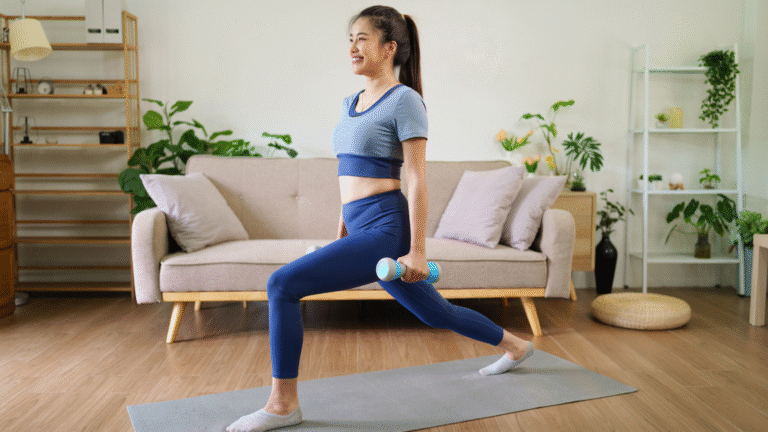
Maintaining an active lifestyle while working from home presents unique challenges. With the convenience of a home office, it can be all too easy to slip into a sedentary routine. Incorporating short, regular activity breaks throughout the day can significantly enhance energy levels and productivity.
Setting up a dedicated workspace away from distractions encourages not only focus but also movement. They can benefit from scheduling specific times to stand, stretch, or do quick exercises. Simple adjustments, such as using a standing desk or taking calls whilst walking, can make a substantial difference.
Staying connected with colleagues through virtual fitness challenges or group walks can foster motivation and accountability. Finding enjoyable activities makes it easier to stick to an active routine and can lead to improved physical health and overall well-being.
Staying active while working from home requires a structured approach to daily routines. By intentionally incorporating movement throughout the workday, remote workers can boost productivity and maintain energy levels.
To maximise activity, setting specific times for movement is essential. Remote workers can break their day into blocks, allocating dedicated times for work and exercise. For example:
Creating these time slots encourages regular physical activity, which can enhance focus and motivation.
Incorporating short, frequent exercise sessions can significantly impact daily energy levels. Remote workers can implement the following strategies:
These short bursts of activity help alleviate fatigue and keep the mind sharp, enhancing overall productivity.
Maintaining a balance between work responsibilities and personal wellness is crucial. Remote workers should consider setting boundaries around work time to allow for breaks and exercise.
By prioritising health within their daily schedules, remote workers can foster motivation and energy, leading to improved overall performance.
A well-designed workspace encourages physical activity and promotes health. Key elements include optimising the home office to facilitate movement, understanding the benefits of a standing desk, and arranging breaks to keep blood flow active throughout the day.
To create an active home office, it is crucial to incorporate space for movement. Position the desk near an open area where stretching or light exercises can be performed. Use furniture that allows for flexibility, such as a height-adjustable desk that accommodates both sitting and standing positions.
Incorporate functional elements like a yoga mat or foam roller nearby. Adding such items encourages quick exercises during breaks, increasing overall activity levels without interrupting workflow.
A standing desk can significantly enhance one’s daily routine. By shifting positions throughout the day, users can stimulate better blood flow, reducing the risks associated with prolonged sitting.
Studies indicate that using a standing desk may help alleviate back pain and improve posture. Individuals may also experience an increase in energy and productivity levels. Incorporating a standing desk enables easy transitions between sitting and standing, promoting an active work environment.
Taking regular breaks is essential for maintaining physical activity in a home office. Scheduling short, timed breaks every hour allows individuals to stretch, walk around, or perform quick exercises.
Implementing reminders on a phone or computer can serve as effective cues. Flexibility in work tasks, such as walking while on calls, can keep the body engaged. By prioritising movement during breaks, individuals can boost energy levels and enhance focus, creating a healthier work routine.
Maintaining an active lifestyle while working from home is critical for physical and mental well-being. Incorporating specific exercises and techniques into daily routines can help prevent the sedentary habits often associated with remote work.
Stretching is essential for counteracting the stiffness that can result from prolonged sitting. It improves flexibility, circulation, and reduces muscle tension. Key static stretches include:
Incorporate stretches into work breaks, aiming for 5-10 minutes every hour. This practice not only enhances physical comfort but also refreshes focus and productivity.
Yoga combines physical postures, breathing techniques, and meditation, making it an excellent choice for home workouts. It improves strength, balance, and mental clarity. Some beneficial poses include:
Meditation can be integrated into the routine as well. Practising mindfulness for just a few minutes can reduce stress levels, improve concentration, and enhance overall mood. A blend of yoga and meditation can provide a restful yet active balance.
Bodyweight exercises are practical for small spaces and require no equipment. They build strength and endurance effectively. Important exercises include:
Aim for a circuit approach, performing 2-3 sets of each exercise with adequate rest. This routine can be completed in under 20 minutes.
High-Intensity Interval Training (HIIT) is efficient for burning calories and enhancing cardiovascular fitness. With short bursts of intense activity followed by brief rest periods, HIIT workouts can be tailored for home settings.
A simple HIIT session can include:
These workouts can be adjusted for fitness levels by varying the intensity and duration. Engaging in HIIT 2-3 times a week can significantly boost fitness levels.
Maintaining mental health and well-being during remote work is essential. Strategies to reduce isolation, manage stress, improve sleep quality, and prevent obesity are critical for sustaining productivity and happiness.
To combat feelings of isolation, establishing regular connections with colleagues is vital. Scheduled video calls and virtual coffee breaks can foster a sense of community. Utilising messaging platforms encourages casual communication. Participating in online team activities also enhances relationships and team spirit.
However, staying connected can require a reliable infrastructure. Nothing disrupts a virtual team meeting or a remote workflow more than an unexpected power outage. For professionals or small businesses operating in more rural or industrial areas, having a backup power plan is essential to prevent isolation during grid failures. Services like Brooks generator rentals or similar firms can provide the necessary temporary power solutions to keep home offices running and communication lines open, regardless of local outages.
Additionally, engaging in social media groups related to professional interests can provide substantial emotional support. Creating a dedicated time to connect is essential for nurturing relationships in a remote environment.
Effective stress management techniques significantly benefit mental well-being. Practising mindfulness through meditation or deep breathing exercises can enhance focus and reduce anxiety.
Setting specific work hours and designated breaks allows for a mental reset. Using tools such as the Pomodoro Technique—working in focused intervals followed by short breaks—increases productivity.
Incorporating regular physical exercise, even brief sessions, helps in reducing stress levels. Prioritising tasks and setting achievable goals each day can further alleviate overwhelming feelings.
Good sleep quality is fundamental for maintaining mental health and performance. Establishing a regular sleep schedule helps regulate the body’s internal clock.
Creating a relaxing bedtime routine is crucial. Reducing screen time before bed and creating a comfortable sleeping environment can significantly improve sleep quality. Limiting caffeine and heavy meals in the evening also contributes to better rest. Adequate sleep has a positive impact on focus, mood, and overall productivity.
Working from home can lead to sedentary behaviour, increasing the risk of obesity and physical discomfort. Incorporating movement throughout the day is essential.
Scheduled breaks for walking or stretching can mitigate back and neck issues. Simple exercises like desk stretches or short walks around the house can help disperse tension.
Additionally, maintaining a balanced diet plays an important role in overall health. Preparing healthy meals and planning snacks can prevent unhealthy eating habits and promote better energy levels.