Beautiful Plants For Your Interior
Beautiful Plants For Your Interior

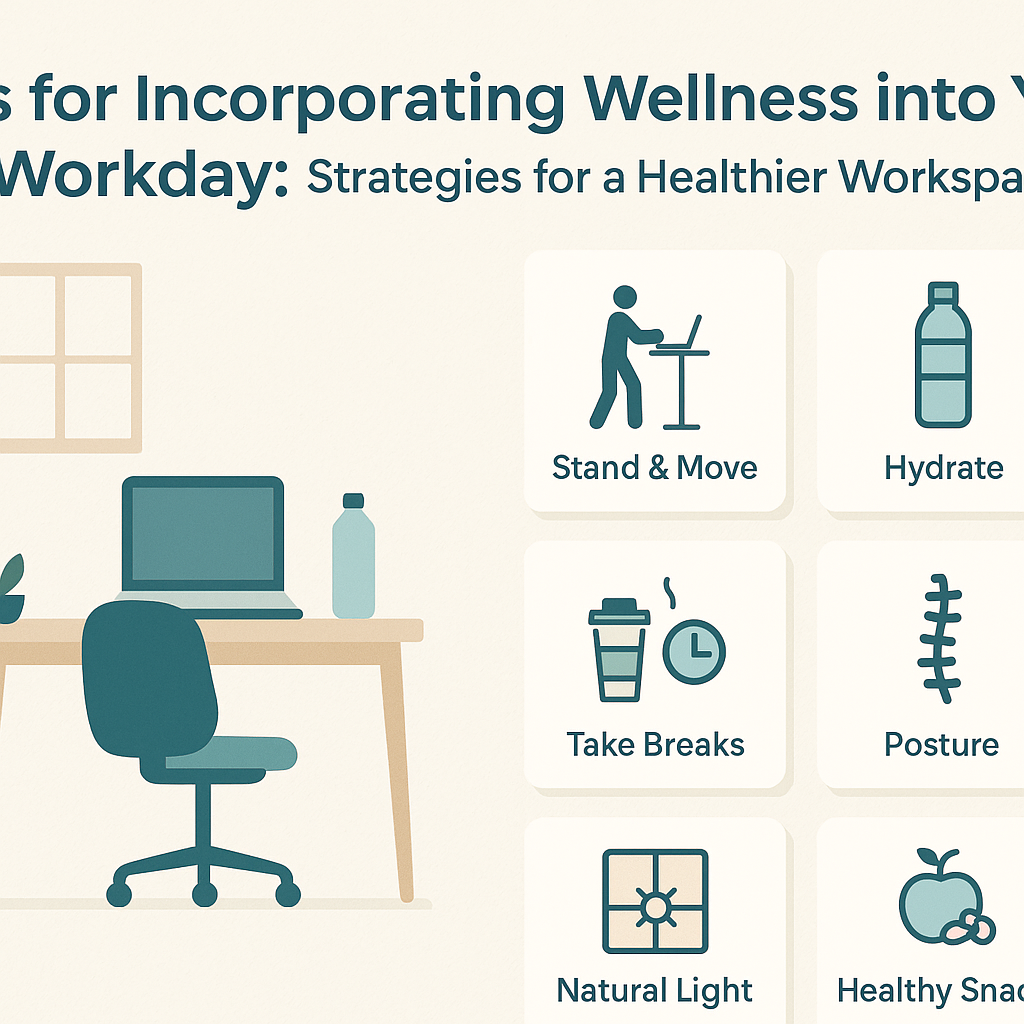
In the modern workplace, the importance of wellness cannot be overstated. Balancing the demands of work with personal health and well-being significantly enhances productivity and job satisfaction. Incorporating small yet impactful wellness practices into the workday can lead to improved mental clarity, physical health, and overall employee morale.
Many individuals find it challenging to prioritise health amid busy schedules. Simple adjustments, such as taking short breaks to stretch or practising mindfulness, can make a substantial difference. Emphasising well-being at work not only benefits the individual but also creates a healthier working environment for everyone.
Organisations can support wellness initiatives by fostering a culture that values health. Encouraging employees to participate in wellness activities or providing resources for better health choices can lead to a more engaged and vibrant workforce. By integrating wellness into daily routines, individuals contribute to their own health and the collective well-being of their colleagues.
Establishing a supportive work environment is essential for enhancing employee wellness and productivity. Specific strategies can help create an atmosphere that promotes energy levels, focus, and overall quality of life.
An ergonomic workspace minimises strain and discomfort, allowing employees to concentrate better. Key elements include an adjustable chair that supports the lower back, a desk at the correct height, and properly positioned monitors.
Recommendations for Ergonomic Setup:
These adjustments can lead to improved focus and reduced fatigue throughout the workday.
Standing desks have gained popularity due to their ability to promote movement and reduce sedentary behaviour. They can help maintain energy levels and enhance focus.
Benefits of Standing Desks:
Active seating options, like balance balls or sit-stand chairs, can encourage movement. Employees can switch between sitting and standing to maintain energy and stave off fatigue.
Proper lighting and air quality significantly affect workplace wellness. Natural light is preferable and can improve mood and productivity.
Lighting Tips:
Air quality is equally crucial. Ensure adequate ventilation and consider indoor plants to improve air quality and enhance overall well-being. A well-ventilated space contributes to better focus and satisfaction at work.
Along with ergonomics, lighting, and air quality, maintaining a clean workplace also plays an important role in supporting employee wellness. When a workspace is well-organized and regularly cleaned by companies like Jardak Hygiene, it creates an environment where employees can feel comfortable, focused, and motivated throughout the day. Simple practices such as keeping desks clutter-free, wiping down surfaces, and maintaining equipment can help create a healthier, more productive environment.
Shared spaces also require consistent attention. Meeting rooms, collaborative areas, and other communal workspaces are used frequently throughout the day, so keeping them organised and hygienic helps ensure employees can use them comfortably without distractions.
Many businesses find that a professional approach to upkeep makes a big difference in how the office feels. While staff can help with their own desks, a deeper level of care is often needed for carpets and high-traffic zones. Local services for office cleaning crawley provide the regular attention that keeps these areas in good condition. This helps prevent the build-up of dust and allergens that might affect people with sensitivities. A tidy space also reflects well on the company when clients or visitors come to the building. It is a practical way to support the health of everyone who uses the facility.
At the same time, modern office designs often include features that enhance openness and natural light. In particular, many workplaces now incorporate glass partitions to separate work areas while still maintaining a bright and spacious feel.
While these design elements improve the look and functionality of the office, they also require regular upkeep. In such settings, understanding the best practices for cleaning and maintaining glass partitions becomes important to ensure they remain clear, professional, and visually appealing over time.
Ultimately, paying attention to these small maintenance details helps ensure the workspace remains bright, organised, and supportive of employee well-being.
Incorporating physical activity into the workday can enhance productivity and well-being. Effective strategies include stretching, bodyweight exercises, active meeting formats, and taking regular fitness breaks.
Stretching can reduce muscle tension caused by long periods of sitting. Simple stretches like neck rolls, shoulder shrugs, and wrist stretches can be performed at the desk. A few minutes of stretching every hour can improve circulation and flexibility.
Desk exercises are also beneficial. These can include leg lifts while seated or seated torso twists. These movements require minimal space and can be easily integrated into the workday, ensuring regular movement without disrupting workflow.
Recommended Stretches:
Bodyweight exercises utilise one’s weight for resistance, requiring no equipment. Squats, lunges, and push-ups can be done during short breaks to strengthen muscles and burn calories.
Resistance bands are portable and add versatility to workouts. They can be used for bicep curls, seated rows, and shoulder press exercises. By using resistance bands, individuals can perform effective strength training in the office setting.
Bodyweight Exercise Examples:
Walking meetings combine productivity with physical activity. Discussing ideas while walking can stimulate creative thinking and improve focus. These meetings can take place indoors or outside, making them adaptable to various environments.
Active commuting, such as cycling to work, promotes a healthy lifestyle. It contributes to maintaining a healthy weight and integrates fitness into daily routines. Using fitness trackers can help monitor activity levels and ensure regular movement throughout the week.
Active Commuting Tips:
Short fitness breaks during the workday can significantly boost energy levels and productivity. Taking a 5-10 minute break every hour encourages regular movement, improving overall well-being.
During these breaks, individuals can perform quick exercises like jumping jacks or stretching. Even a brief walk around the office can refresh focus and reduce fatigue.
Fitness Break Ideas:
Implementing these strategies can create a healthier work environment and promote a more active lifestyle.
Incorporating mental health and well-being practices into the workday enhances focus, fosters innovation, and promotes a supportive workplace culture. These strategies facilitate stress reduction, encourage social engagement, and boost cognitive function.
Mindfulness and meditation contribute significantly to mental well-being. Practising mindfulness at work can involve simple techniques, such as focusing on breath or observing thoughts without judgment. Employees can set aside a few minutes each day to engage in guided meditation, which may increase self-awareness and decrease anxiety.
Creating a designated quiet area for meditation fosters a tranquil atmosphere. Regular mindfulness practice releases endorphins, boosting mood and promoting a positive work environment. Additionally, these techniques can improve focus and enhance decision-making skills, benefiting both individual projects and broader organisational goals.
Effective stress management is essential for maintaining mental health at work. Identifying stressors allows individuals to implement proactive strategies tailored to their needs. Techniques include prioritising tasks, setting realistic deadlines, and using time management tools that delineate project milestones.
Encouraging breaks throughout the day is vital for preventing burnout. Short, structured breaks can enhance cognitive function and prevent fatigue. Additionally, utilising methods such as deep breathing or brief physical activity during these intervals can aid in stress reduction and lead to improved focus.
Social engagement plays a crucial role in enhancing workplace mental health. Encouraging collaboration through group brainstorming sessions or team projects fosters creativity and innovation. Building strong interpersonal connections supports emotional well-being, creating a more cohesive workforce.
Organising regular team-building activities can further promote social bonds. These interactions allow individuals to share experiences and develop mutual support systems. Additionally, open lines of communication and feedback create a culture of trust, essential for effective collaboration and overall mental well-being.
To promote wellness at work, companies can provide access to preventive health services alongside traditional wellness programs. Setting up partnerships with local providers allows employees to participate in regular health screenings and check-ins, fostering a culture of safety and care.
In addition, organizations can make resources for substance monitoring available. For example, employees or managers can locate professional services by looking up Drug Testing Near Me, helping address potential concerns early while maintaining confidentiality and trust. These measures support a proactive approach rather than reacting after issues arise.
Finally, integrating these preventive practices into daily work routines strengthens overall workplace well-being. Encouraging employees to use available services, participate in wellness initiatives, and maintain healthy habits contributes to a safer, more productive environment. By combining general health programs with thoughtful monitoring, businesses can help staff feel supported and valued.
Maintaining wellness routines outside of the workplace is essential for overall well-being. This involves creating a conducive home environment and utilising technology effectively to keep energy levels high and enhance physical and mental health.
To extend wellness practices into the home, individuals can set up dedicated spaces for exercise and relaxation. A small area for yoga and Pilates can encourage regular physical activity and mindfulness.
Additionally, establishing a consistent daily routine reinforces healthy habits. For instance, designating specific times for workouts, meditation, or even quiet reading can enhance focus and reduce stress.
Meal preparation should also be considered. Incorporating nutritious meals into the weekly plan enables better energy levels and supports physical well-being. Preparing meals in advance ensures access to healthy options, making it easier to resist unhealthy snacks.
Technology can play a pivotal role in maintaining healthy habits. Fitness trackers provide valuable insights into daily activity levels and encourage movement throughout the day. This feedback helps individuals stay motivated and accountable.
Apps focused on meditation and wellness can support mental health outside of work hours. These tools offer guided sessions that can be integrated into daily routines, promoting relaxation and mindfulness.
Additionally, virtual workout classes allow individuals to engage in structured fitness sessions from home. Access to a variety of programmes ensures that physical activity remains enjoyable and varied, supporting long-term adherence to fitness goals.