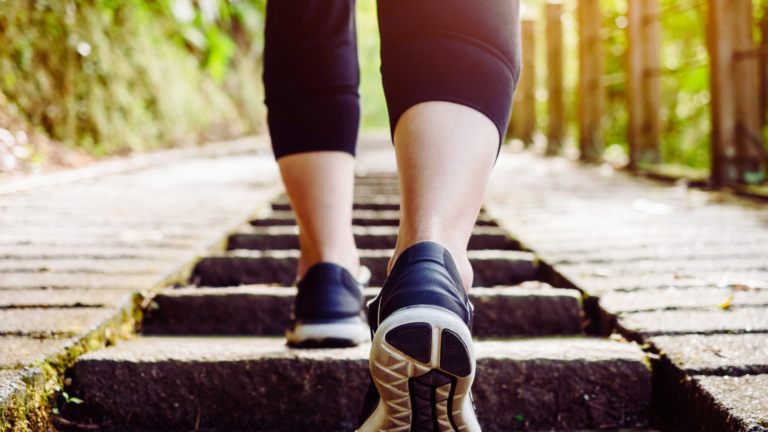
Achieving a daily step goal is a common health recommendation. Research suggests that aiming for around 10,000 steps each day can lead to significant health benefits, including improved cardiovascular health, weight management, and enhanced mood. This target isn’t just a random number; it has become a benchmark for promoting physical activity among various age groups.
Walking is one of the simplest forms of exercise, accessible to most people. Incorporating more steps into a daily routine can be achieved through small adjustments, such as taking the stairs instead of the lift or going for short walks during breaks. This not only boosts physical fitness but also contributes to overall well-being.
Understanding the importance of daily movement can motivate individuals to adopt a more active lifestyle. By making walking a priority, they can enjoy the myriad benefits that come with increased physical activity, setting a foundation for a healthier future.
The Science Behind 10,000 Steps
Research surrounding the 10,000-step goal reveals both its historical context and its relevance to fitness and health. The recommendation serves multiple purposes, including promoting physical activity and enhancing overall health.
Historical Origins of the 10,000-Step Recommendation
The 10,000-step benchmark originated in Japan during the 1960s. A pedometer called “manpo-kei,” meaning “10,000 steps meter” was introduced to encourage walking. This marketing concept resonated with the public, leading to widespread acceptance.
Over time, this figure became synonymous with a healthy lifestyle. While not scientifically derived, studies indicated health benefits linked to higher step counts. The popularity of this simple goal helped establish walking as a manageable form of exercise.
Evaluating the 10,000 Steps Standard
Research supports the idea that walking 10,000 steps can enhance fitness levels. However, individual fitness levels differ significantly. For some, 10,000 steps may represent a challenge, while for others, it may be too easy.
Health benefits, including improved cardiovascular health, better mood, and weight management, have been associated with this target. Nonetheless, experts recommend that individuals focus on personal goals, adjusting the step count based on their activity baseline and health conditions.
The Interplay Between Step Counts and Intensity
The relationship between step counts and intensity is critical. Not all steps provide equal health benefits—brisk walking offers more advantages than slow strolling.
Walking at a moderate pace increases heart rate and burns more calories, contributing to better fitness levels. Variability in walking pace can enhance health outcomes. Therefore, blending higher intensity into a daily walking routine while achieving a step goal can lead to significant improvements in overall fitness and well-being.
Health Benefits of Regular Walking
Regular walking provides numerous health advantages that contribute significantly to physical and mental well-being. Engaging in consistent walking routines can improve cardiovascular health, support weight management, enhance mental well-being, and lower the risk of chronic diseases.
Cardiovascular and Heart Health
Walking is a low-impact aerobic exercise that benefits cardiovascular health. It strengthens the heart, improving circulation and lowering blood pressure. Studies indicate that walking 30 minutes a day can reduce the risk of heart disease and stroke.
The activity increases heart rate, which enhances the efficiency of the heart muscle. Regular walking can also help maintain healthy cholesterol levels. A consistent walking routine is linked to lower all-cause mortality rates, making it a crucial component of a heart-healthy lifestyle.
Mental Health and Well-being
Walking positively influences mental health by reducing stress and anxiety. Engaging in this simple activity releases endorphins, which improve mood and promote feelings of happiness.
Regular walkers often experience enhanced cognitive function and a reduction in symptoms of depression. Consistent walking can lead to improved self-esteem and a better quality of life as individuals gain confidence in their physical abilities. Walking in nature, in particular, provides additional mental health benefits.
Weight Management and Obesity Prevention
Incorporating walking into daily routines is effective for weight management. It burns calories, helping to create a caloric deficit necessary for weight loss.
Walking briskly for 30 minutes can burn around 150 calories, depending on an individual’s weight. This activity is particularly beneficial for individuals at risk of obesity, as it can help maintain a healthy weight. Combining walking with a balanced diet decreases the likelihood of gaining excess weight and contributes to overall wellness.
Reduction in Chronic Disease Risk
Regular walking is associated with a lower risk of chronic diseases, including type 2 diabetes and certain cancers. Walking improves insulin sensitivity and aids in blood sugar regulation, which is crucial for preventing diabetes.
It also aids in maintaining healthy body weight, a significant factor in reducing the risk of chronic conditions. Studies suggest that individuals who walk regularly experience a decreased risk of developing conditions such as hypertension and high cholesterol.
Optimising Your Walking Routine
Establishing an effective walking routine is essential for achieving fitness goals. By setting achievable goals, incorporating different types of walking, and utilising technology, individuals can significantly enhance their walking habits.
Setting Realistic Step Goals
Setting realistic step goals is crucial for maintaining motivation and consistency. Individuals should consider their current activity levels and gradually increase their daily steps. A commonly recommended target is 10,000 steps a day, but beginners may aim for 5,000 steps, gradually increasing as their fitness improves.
Utilising a step counter can provide daily tracking, making it easier to monitor progress. Consistency in gradually increasing steps helps prevent burnout and injury. It’s important to keep adjusting the goals based on individual fitness levels and life circumstances, ensuring they remain attainable yet challenging.
Incorporating Varieties of Walking
Incorporating different walking styles can make the routine more engaging. Options such as brisk walking, hiking, or walking with intervals can enhance the cardiovascular benefits. This variety helps combat the monotony of a sedentary lifestyle, promoting greater adherence to the routine.
Walking in diverse environments, such as parks or urban settings, can increase enjoyment. Pairing walking with other activities, such as socialising or listening to music, may also enhance the experience. Additionally, various terrains can provide muscle diversity, which can contribute to overall fitness improvements.
Using Technology to Enhance Walking Habits
Technology can play a significant role in optimising walking routines. Activity trackers and mobile applications can offer insights into daily progress, motivating individuals to stay active. These tools can help users set reminders, track calories burned, and analyse walking patterns.
Choosing suitable walking shoes is also important for injury prevention. Comfortable footwear can enhance performance and encourage longer walks. Some apps even provide tailored workout plans based on an individual’s fitness goals, ensuring a structured approach to walking. By leveraging technology, individuals gain valuable data to refine their walking practices.
Overcoming Barriers to Walking Daily
Walking daily can be hindered by various obstacles, but practical strategies can address these challenges. By focusing on combating sedentary habits, finding motivation, and adapting walking to different environments, individuals can successfully integrate more steps into their routines.
Combatting a Sedentary Lifestyle
To shift away from a sedentary lifestyle, individuals need to incorporate movement into their daily routines. Small changes, such as taking the stairs instead of the lift, can add steps without requiring significant time commitment.
Setting reminders to stand up and stretch or walk around every hour can help break long periods of inactivity. Engaging in activities like walking meetings or using a treadmill desk provides alternatives to sitting while working.
Creating a challenge, like aiming for a specific number of steps each day, can further motivate individuals to stay active. This can cultivate a sense of achievement, encouraging consistent walking habits.
Finding Motivation and Accountability
Maintaining motivation is essential for regular walking. Engaging a friend or joining a walking group can introduce social accountability. This shared experience often makes walking more enjoyable and encourages participants to stick to their goals.
Tracking daily steps with a fitness app or pedometer can foster a sense of achievement and motivate continued effort. Setting clear goals, like increasing steps by 500 each week, may help individuals remain focused and committed.
Visual reminders, such as inspirational quotes or photos, can inspire them during periods of low motivation. Creating a checklist for daily walking can enhance commitment as well, reinforcing a sense of discipline and routine.
Walking in Different Settings and Circumstances
Flexibility in walking settings can enhance opportunities for daily activity. Individuals can adapt to their environment by walking in parks, neighbourhoods, or malls. Each setting can offer a different experience, making walking less monotonous.
For those with busy schedules, incorporating short walks during breaks or while running errands can help accumulate steps throughout the day. Additionally, utilising a treadmill desk allows for walking while working, effectively merging productivity with physical activity.
For those with limited time, short, brisk walks of 10-15 minutes can still provide health benefits. Emphasising that every step counts can help individuals feel accomplished, regardless of time constraints or environmental factors.